The Scientific Reason Dogs Get the Zoomies (And What It Means)

I’m sure, as a dog owner, you’ve wondered why, all of a sudden, your dog does laps of the garden like a mad thing, or shoots up the stairs, does a lap of the bedroom, hurtles back down, and again and out into the garden.
It’s the funniest thing to watch and can happen at any time. I wondered if it would calm down with age, but it doesn’t. Lottie, my border collie, is nearly thirteen, and she still does this regularly.
Welcome to the world of zoomies, or as veterinary behaviorists officially call them, Frenetic Random Activity Periods. Yes, there’s actually a scientific term for your dog’s spontaneous sprint sessions, and understanding what’s happening can help you appreciate these wild moments even more.
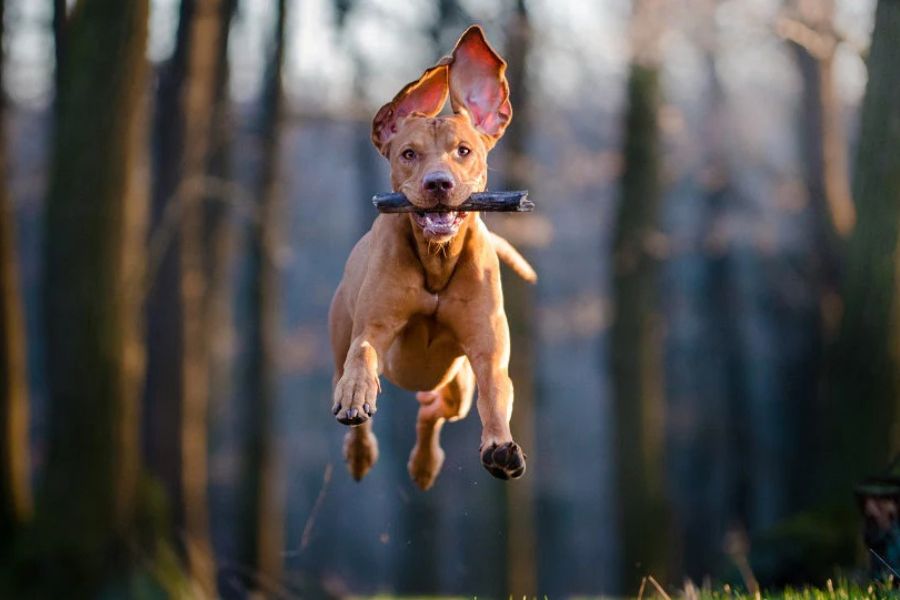
What Actually Happens During Zoomies
When your dog gets the zoomies, their brain is essentially hitting the release valve on pent-up energy. Think of it like shaking a soda bottle all day and then finally popping the cap. That explosive burst has to go somewhere.
During these episodes, your dog’s body floods with endorphins and adrenaline. Their heart rate shoots up, their pupils might dilate, and they enter what can only be described as pure joy mode. Researchers studying canine behavior have found that these bursts typically last anywhere from a few seconds to several minutes.
The pattern is usually pretty consistent. Your dog will lower their front end in a play bow position, tuck their tail, and then take off like a shot. They might run in circles, figure eights, or just create their own chaotic race track through your home.
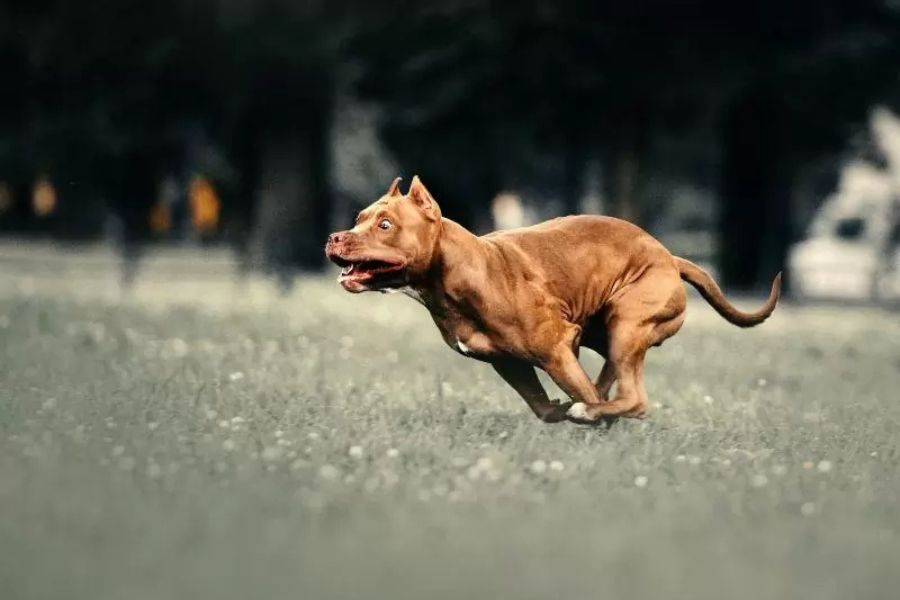
Why Dogs Experience These Energy Explosions
The science behind zoomies comes down to energy regulation and emotional release. Dogs are hardwired to be active creatures, even our couch potato breeds. When physical or mental energy builds up without an outlet, it has to escape somehow.
Young dogs and puppies experience zoomies more frequently because they have higher energy reserves and less impulse control. Their brains are still developing the ability to regulate excitement and energy levels. This is why your puppy might zoom after a nap, even though they were just resting. They wake up refreshed and ready to burn off that renewed energy immediately.
But adult dogs get them too, just for slightly different reasons. Often it’s a response to relief or happiness. You might notice your dog zooming right after a bath, which isn’t because they enjoyed getting wet. It’s actually a release of tension from being restrained and handled during grooming. The same thing happens after stressful vet visits or even after pooping, when they feel physically lighter and relieved.
Certain situations act as common triggers. Many dogs zoom first thing in the morning or late in the evening. These times coincide with natural energy peaks in their daily rhythm.
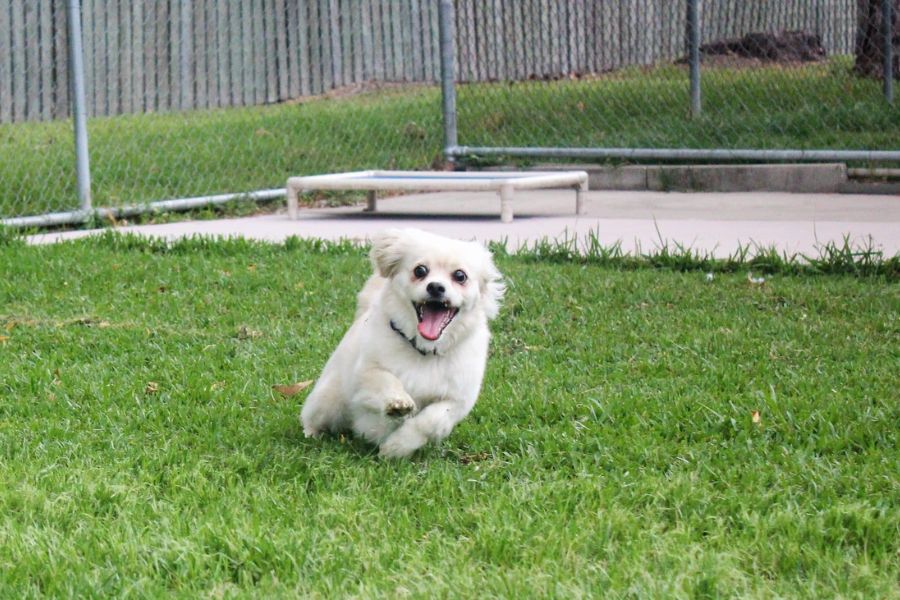
The Different Types of Zoomies
Not all zoomies are created equal. Some happen because your dog is genuinely excited and happy. These are the good ones, where they’re just expressing pure joy. You’ll see them after playtime with other dogs, when you come home from work, or sometimes just because life is good.
Then there are stress-release zoomies. These happen after situations that made your dog anxious or uncomfortable. The bath-time zoomies fall into this category, along with post-grooming sessions or after being crated for a while. Your dog isn’t necessarily traumatized; they’re just shaking off the tension like we might take a deep breath after a stressful meeting.
Social zoomies happen during playtime with other dogs. One dog starts running, and suddenly everyone joins in, creating a canine conga line of chaos. This is actually a healthy social behavior that helps dogs bond and burn energy together.
Some dogs also experience what I call “avoidance zoomies” when they don’t want to do something. Ask your dog to come inside when they’re enjoying the backyard, and they might launch into zoomies as a way of saying “not yet, I’m not ready.”
What Your Dog’s Zoomies Say About Their Well-being
Frequent zoomies in a young, healthy dog usually indicate they need more physical exercise or mental stimulation. If your dog is zooming multiple times a day, they’re telling you they have energy to burn that isn’t getting used up through regular activities.
This is especially common in high-energy breeds or working dogs bred for stamina-intensive jobs. A border collie needs a lot more activity than a bulldog. When these active breeds don’t get enough exercise, zoomies become their pressure release valve.
Occasional zoomies are completely normal and healthy. They’re actually a sign your dog feels safe and comfortable enough in their environment to let loose. Dogs won’t zoom in situations that make them feel threatened or insecure.
When Zoomies Might Signal a Problem
Most zoomies are harmless fun, but sometimes they indicate something needs attention. If your older dog suddenly starts having frequent zoomies when they never did before, it could signal discomfort or pain. Some dogs zoom when they’re trying to escape irritation from allergies, fleas, or skin conditions.
Excessive zoomies combined with other behavioral changes like aggression, house training accidents, or destructive behavior might indicate anxiety or insufficient mental stimulation.
Compulsive zoomies that happen multiple times daily, last longer than normal, or seem to occur without any trigger could point to neurological issues or extreme anxiety. If your dog seems unable to control themselves or appears distressed during these episodes rather than joyful, that’s worth discussing with your veterinarian.
Dogs who injure themselves during zoomies or seem unable to navigate safely might have vision problems or cognitive issues. While most dogs are surprisingly good at avoiding obstacles during their sprint sessions, repeatedly crashing into things isn’t normal.
Embracing the Zoom
Zoomies are one of those pure, unfiltered expressions of what makes dogs so wonderful. In that moment, your dog isn’t worried about anything except the sheer joy of movement and speed.
Watching Lottie race around the backyard reminds me that dogs live so completely in the present moment. They’re not thinking about tomorrow’s vet appointment or yesterday’s bath. They’re just running because running feels incredible.
The next time your dog launches into a zoom session, take a second to appreciate what you’re seeing. That’s pure happiness with four legs and a wagging tail. Sure, you might need to move the lamp first, but once everything’s safe, just enjoy the show. Your dog is showing you exactly what living in the moment looks like.