Do Pets Actually Get Seasonal Affective Disorder? Here’s What the Science Says (And What to Watch For)

I’ve often wondered if animals are as affected by the change in weather and the seasons as humans are. I know full well I suffer from SAD (Seasonal Affective Disorder). Starve me of sun and give me endless days of gray clouds and rain, and I’m one depressed gal.
I’ve definitely noticed my border collie, Lottie, is the same. When the sun comes out, she’s full of the joys of spring, bounding around everywhere. However, like me, when it comes to the bad winter weather, she huffs and puffs and throws herself onto the floor as if her life is about to end.
Turns out, a whole lot of pet owners have been asking the same question. And the answer is more interesting than you might think.
What Is SAD and Why Does It Matter?
Seasonal Affective Disorder is a type of depression in humans that follows the pattern of the seasons. It typically hits in the fall and winter when the days get shorter, and sunlight becomes scarce. People with SAD experience low energy, changes in appetite, trouble sleeping, and a general heaviness that lifts once spring shows up again.
The main culprit behind SAD is sunlight. Or rather, the lack of it. When we get less exposure to natural light, our brains produce more melatonin, the hormone responsible for making us feel sleepy. At the same time, serotonin levels drop. Serotonin is the chemical that plays a big role in regulating our mood. Less sun means less serotonin, and that’s where things start to go downhill.
Now here’s where it gets really interesting for pet owners.
So Do Dogs and Cats Actually Get SAD?
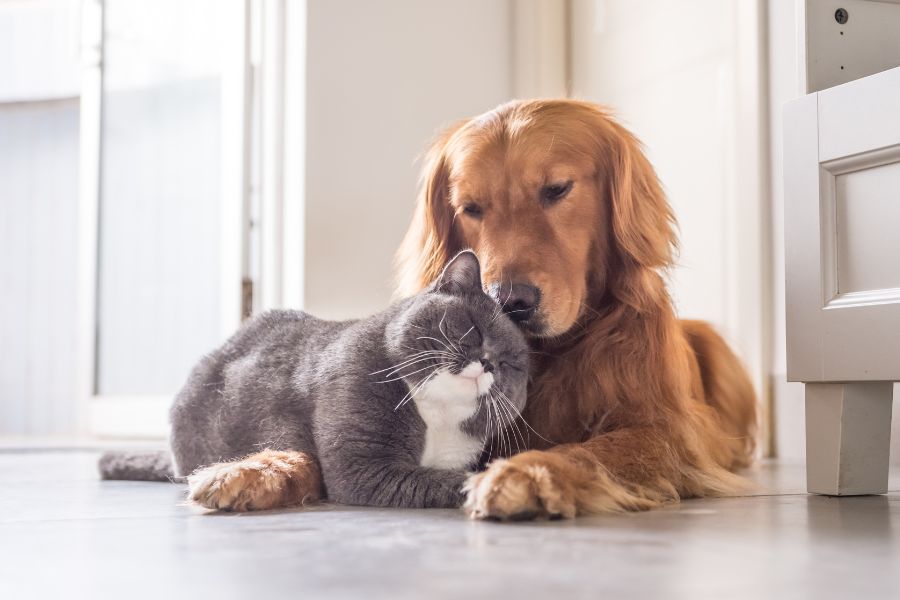
The honest answer is that scientists don’t have definitive proof that dogs and cats experience SAD in exactly the same way humans do. There hasn’t been a single study that has conclusively confirmed it in domestic pets. But that doesn’t mean the seasonal shift isn’t affecting them. Because it very much appears to be.
Dogs have pineal glands, just like humans do. These are the tiny structures in the brain that produce melatonin.
Research has shown that dogs produce higher amounts of melatonin during the winter months, the same hormonal shift that contributes to SAD in people. Whether that translates into something we can officially call seasonal depression in dogs is still up for debate among scientists.
Cats are even more fascinating in this regard. Cats are what scientists call crepuscular, meaning they are naturally most active at dawn and dusk. As those transitional periods shrink during winter, cats lose the environmental cues their bodies rely on to regulate their daily rhythms.
Research has shown that cats’ activity levels genuinely shift with the seasons. They move less in winter and are most active in spring and autumn. That’s not just in your imagination.
The Hamster Studies That Changed Everything
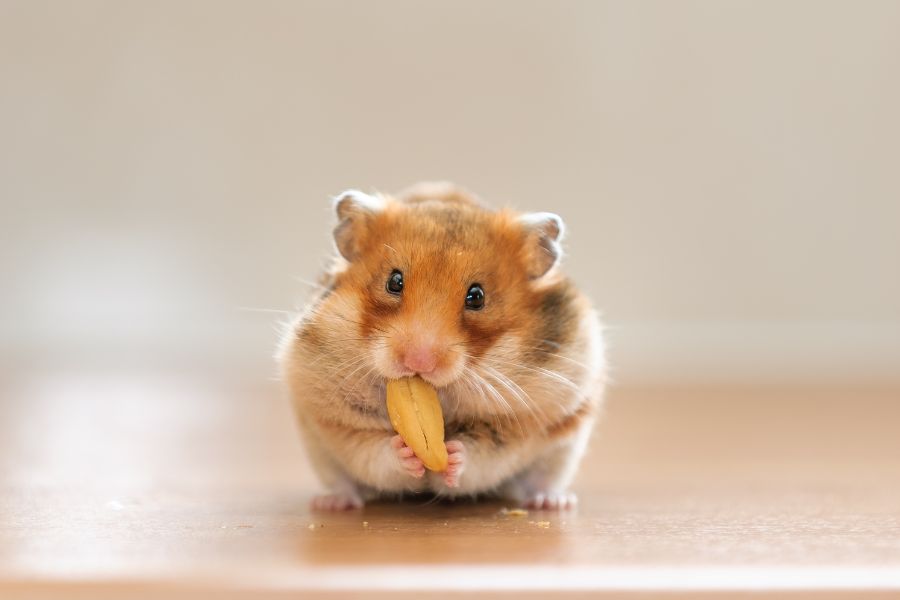
Some of the most compelling research into seasonal mood changes in animals actually came from studying hamsters, which might sound a bit random, but stay with me.
Researchers at Ohio State University set up an experiment in which Siberian hamsters were housed under two conditions. One group got sixteen hours of light per day, simulating summer. The other group got only eight hours, mimicking a winter environment.
The hamsters living in the shorter days showed clear signs of depression and anxiety. They were less active, less interested in rewards, and displayed behaviors that scientists use to measure depressive states in animals.
Even more telling, the study found that the brains of the hamsters exposed to shorter days actually changed. The hippocampus, a part of the brain involved in memory and mood regulation, shrank in size. That kind of structural change is exactly what researchers see in humans with depression.
Now, hamsters aren’t dogs or cats. But the fact that reduced daylight can trigger genuine mood and brain changes in mammals is a pretty significant finding. It suggests that the seasonal shift in light could be affecting our pets’ brains in a similar way, even if we can’t officially diagnose them with SAD.
The Signs Your Pet Might Be Struggling
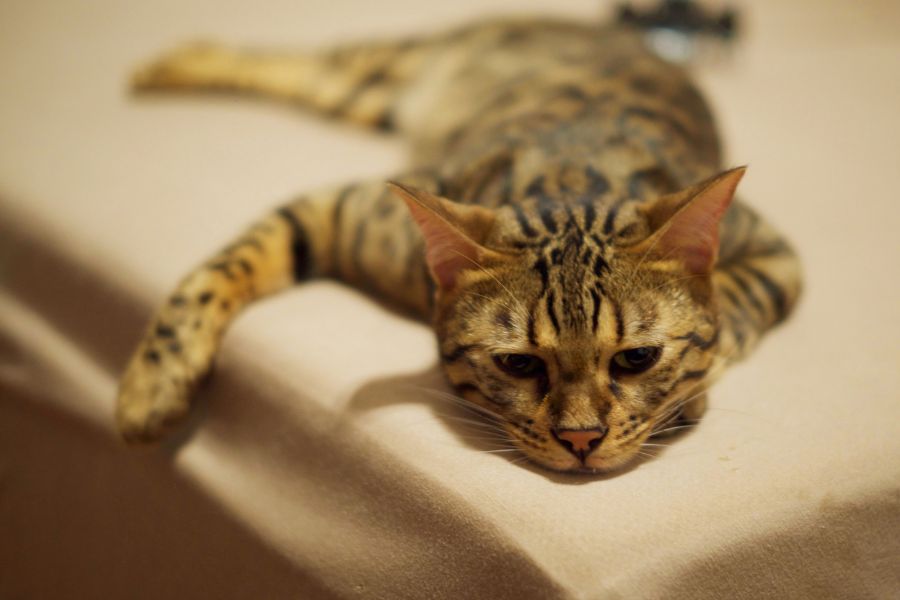
Whether we call it SAD or simply the winter blues, there are real behavioral changes that can occur in dogs and cats as the days get shorter. Knowing what to look for makes a huge difference.
In dogs, watch for a drop in energy that goes beyond their normal lazy days. If your dog suddenly has no interest in walks, toys, or activities they usually love, that’s worth paying attention to. Sleeping more than usual is another sign, as is a change in appetite, either eating significantly less or wanting more food than normal.
Some dogs also become more withdrawn. They might hide, avoid interaction, or just seem disconnected from the things that usually get their tail wagging. Changes in behavior, like increased anxiety or restlessness, can also be a signal that something is shifting.
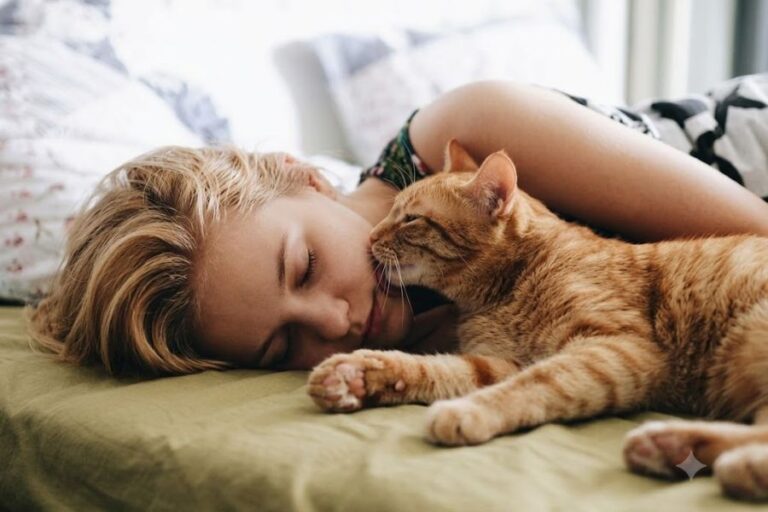
Cats tend to show it slightly differently. You might notice your cat sleeping far more than their already impressive daily nap quota. They may become less playful, less social, or start grooming excessively, which is often a sign of stress or discomfort. Some cats also experience changes in appetite or become more vocal than usual, as if trying to tell you something is wrong.
The tricky part is that all of these signs can also point to an underlying health issue. So if you notice a sudden shift in your pet’s behavior or energy, the first thing you should do is book a vet visit to rule out illness before assuming it’s seasonal.
The Owner Connection & the Winter Blues
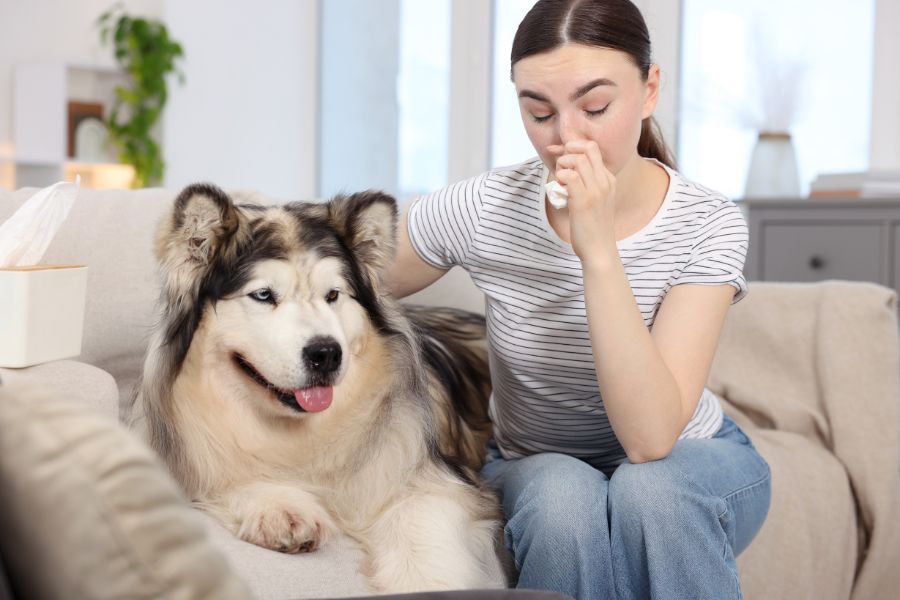
Here’s something that might surprise you. A huge reason why pets seem to get the winter blues might actually have less to do with the season itself and more to do with us.
Dogs are remarkably tuned into human emotions. Research has shown that dogs don’t just notice when we’re stressed, anxious, or sad. They actually absorb those feelings. Studies have found that dogs can pick up on chemical and physiological cues from their owners, and when those cues signal stress or low mood, dogs respond by mirroring that energy right back.
Think about what winter actually looks like in most households. You’re probably moving less. You might be less enthusiastic about heading out for walks in the freezing cold. You’re spending more time inside, possibly feeling a bit grey yourself. Your dog picks up on every single bit of that. They read your body language, your tone of voice, and even your stress hormones. And then they adjust their own behavior accordingly.
Cats are less overtly emotional about it, but they feel it too. If the energy in your home shifts because you’re feeling low, your cat is going to notice. Their routine might change because yours has. They might get less playtime because you just don’t have the energy for it. The ripple effect is real.
This doesn’t mean your pet’s seasonal mood shift is entirely your fault. The biology is genuinely there, the melatonin, the reduced light, the disrupted rhythms. But the connection between your mood and theirs is a two-way street, and it’s worth being aware of.
What You Can Actually Do About It
The good news is that there are some really simple things you can do to help your pet and you through the darker months.
Get them more sunlight. This one sounds obvious, but it makes a genuine difference. Open your curtains and blinds during the day. Position your pet’s favorite sleeping spot near a window. If you can, get them outside during the brightest part of the day, even if it’s just a short walk or a few minutes in the garden. Natural light, even on an overcast day, does more for their internal clock than artificial light alone.
Keep moving. Exercise is one of the most effective mood boosters for both dogs and cats. For dogs, that means sticking to their regular walks even when you’d rather stay inside. For cats, it means making time for active play sessions, especially around dawn and dusk when their energy naturally peaks. Puzzle feeders and interactive toys are brilliant for keeping cats mentally engaged during the gloomy months.
Stick to routine. This one is massive. Dogs and cats both thrive on predictability. When the seasons change, and everything feels a bit off, routine becomes their anchor. Try to keep feeding, walking, and play times consistent, even when your own schedule feels chaotic.
Watch your own mood too. If you are struggling with the winter yourself, be conscious of how that’s affecting the energy in your home. Even small shifts, like putting on music, getting dressed, and going outside for a bit, or spending some focused time playing with your pet, can change the atmosphere for everyone in the household.
Talk to your vet. If your pet’s behavior change is dramatic or persistent, don’t just wait it out. Some vets may recommend omega-3 supplements to support cognitive function, or other approaches to help ease the seasonal shift. Just never give your pet vitamin D supplements without veterinary guidance, as it can be genuinely dangerous for them.