7 of the Smartest Dog Breeds In the World. Meet the Canine Einsteins and See if Your Dog Is On the List

Just like humans, some dogs are smarter than others. Some are great at playing the fool, some keep you entertained, and others are just too bright for their own good, and yours.
Being the owner of a border collie, generally known as one of the smartest dog breeds, can be physically exhausting. Being the human that belongs to Lottie means I’ve had plenty of opportunity to learn the ways of smart dogs.
I can pretty much take one look at her now to know what she’s thinking, what she’s plotting, and what she’s about to do next. Can you do the same with your dog? Are they on the canine Einstein list?
7 of the Smartest Dog Breeds
After years of living with one of the brainiest breeds around, I’ve learned that smart dogs need more than just physical exercise. Their minds crave stimulation, challenges, and yes, even a bit of mischief to keep things interesting.
These seven breeds represent the top tier of canine intelligence, each bringing its own unique brand of brilliance to the table.
1. Border Collie
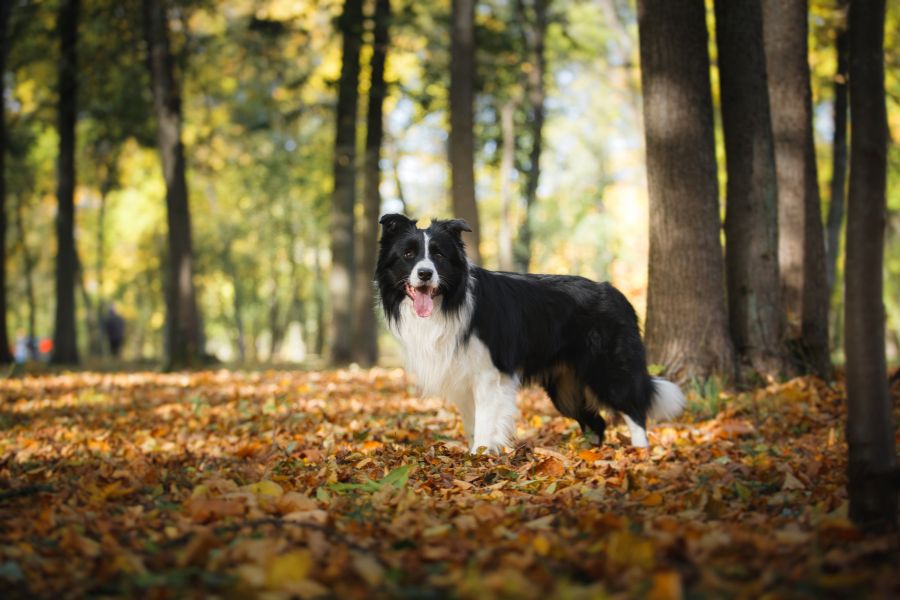
Border collies sit at the top of nearly every canine intelligence ranking, and after living with Lottie, I completely understand why. They watch your every move, study your patterns, and essentially become furry mind readers.
I’ve learned her tricks now and can usually see what she’s about to do next. Can I outsmart her every single time? Probably not, but I have a pretty good go.
Quick Facts:
- Size: Medium (30-55 pounds)
- Common Colors: Black and white, red and white, blue merle, tri-color
- Energy Level: Extremely high
- Best For: Active families, working environments
Border collies were bred to herd sheep in the rugged hills between Scotland and England, which required intense focus, quick decision-making, and the ability to work independently. That breeding created a dog with an almost obsessive work ethic. Lottie isn’t happy unless she has a job to do, whether that’s herding, trying to stop birds flying over our garden, learning new tricks, or solving puzzle toys.
These dogs can learn a new command in fewer than five repetitions and follow it correctly 95%of the time – that’s genius level. But here’s the catch with border collies: if you don’t give them enough mental stimulation, they’ll create their own entertainment. And trust me, their version of fun might involve reorganizing your shoes or teaching themselves to open doors.
The intelligence of a border collie means they need activities that challenge both body and mind. Agility training, advanced obedience work, herding trials, and interactive games keep them satisfied. A bored border collie is a destructive border collie, something I learned the hard way.
2. Poodle
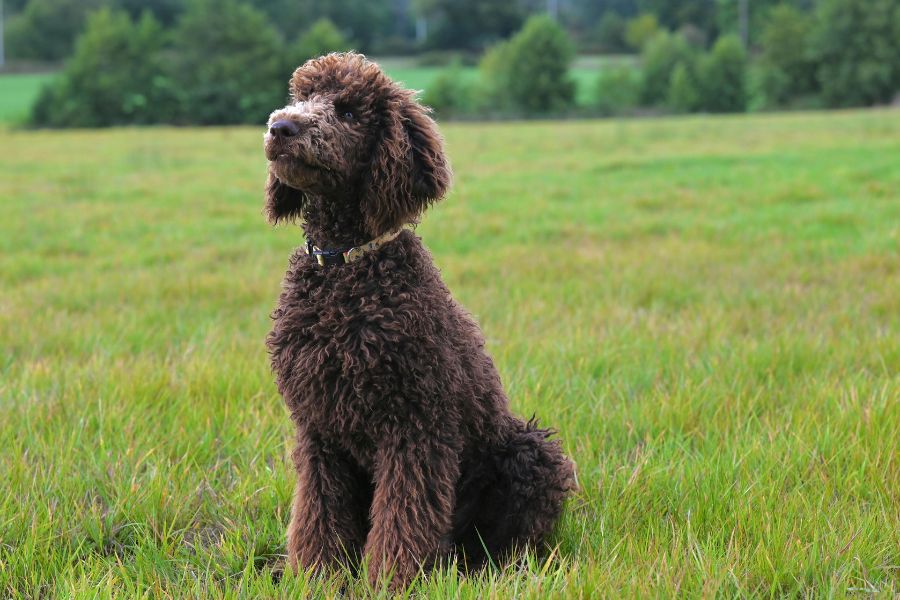
Poodles get a bad reputation thanks to those fancy haircuts you see at dog shows, but don’t let the fancy exterior fool you. These dogs are absolute brainiacs hiding under all that curly fur. My mom had one and has told me how easy she was to train.
Whether you’re looking at a standard, miniature, or toy poodle, you’re dealing with a highly intelligent animal that thrives on learning.
Quick Facts:
- Size: Standard (45-70 pounds), Miniature (15-17 pounds), Toy (6-9 pounds)
- Common Colors: White, black, apricot, gray, brown
- Energy Level: High
- Best For: Families wanting a trainable, hypoallergenic companion
Originally bred as water retrievers in Germany (yes, Germany, not France, despite their association with French culture), poodles needed intelligence to work alongside hunters. They had to mark where birds fell, navigate water, and retrieve game without damaging it. That required serious brainpower.
Poodles excel at obedience training and love showing off what they’ve learned. They’re natural performers who genuinely enjoy the training process, making them stars in dog sports like agility, tracking, and even dock diving. Their eagerness to please, combined with their quick learning ability, makes them one of the easiest breeds to train.
What makes poodles particularly special is their adaptability. They read human emotions remarkably welland adjust their behavior accordingly. Feeling down? Your poodle will notice and respond with gentle affection. Ready to play? They’re already three steps ahead of you, toy in mouth.
These dogs need regular mental challenges to stay happy. Training sessions, puzzle feeders, and learning new tricks keep their minds engaged. Without proper stimulation, poodles can develop anxiety or unwanted behaviors, such as excessive barking.
3. German Shepherd
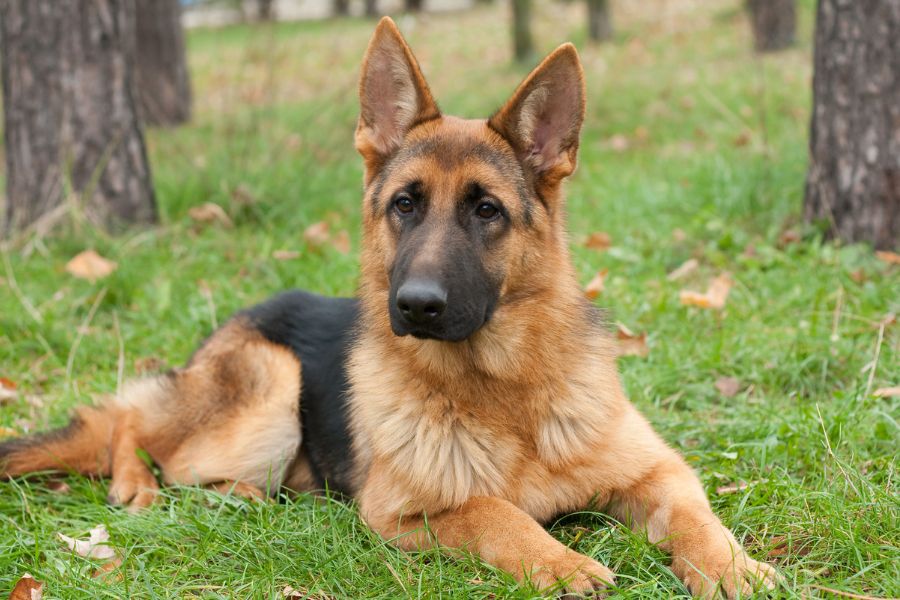
German shepherds combine intelligence with an incredible work ethic, making them the go-to choice for police, military, and service work worldwide. These dogs understand context, adapt to situations, and make independent decisions when needed.
Quick Facts:
- Size: Large (50-90 pounds)
- Common Colors: Black and tan, sable, all black
- Energy Level: High
- Best For: Active families, working roles, experienced owners
What separates German shepherds from many other intelligent breeds is their versatility. They excel in protection work, search and rescue, drug detection, guiding people with visual impairments, and even acting roles in Hollywood. This adaptability stems from their ability to learn complex tasks and apply that knowledge in varying situations.
German shepherds form incredibly strong bonds with their families and have an almost intuitive understanding of their household dynamics. They know who belongs and who doesn’t, when something seems off, and how to respond to different family members based on their needs. This emotional intelligence, combined with their cognitive abilities, makes them exceptional family protectors.
Training a German Shepherd feels like teaching a very eager student who actually wants to ace every test. They pick up on subtle cues, remember lessons long term, and genuinely seem to enjoy the learning process. The key with these dogs is providing consistent, positive training from an early age because their intelligence means they’ll learn bad habits just as quickly as good ones.
Mental stimulation for this breed can include advanced obedience training, protection sports, scent work, and problem-solving games. They thrive when given jobs that let them use their natural abilities. A German shepherd without purpose becomes frustrated, and a frustrated German shepherd can develop behavioral issues.
4. Rottweiler
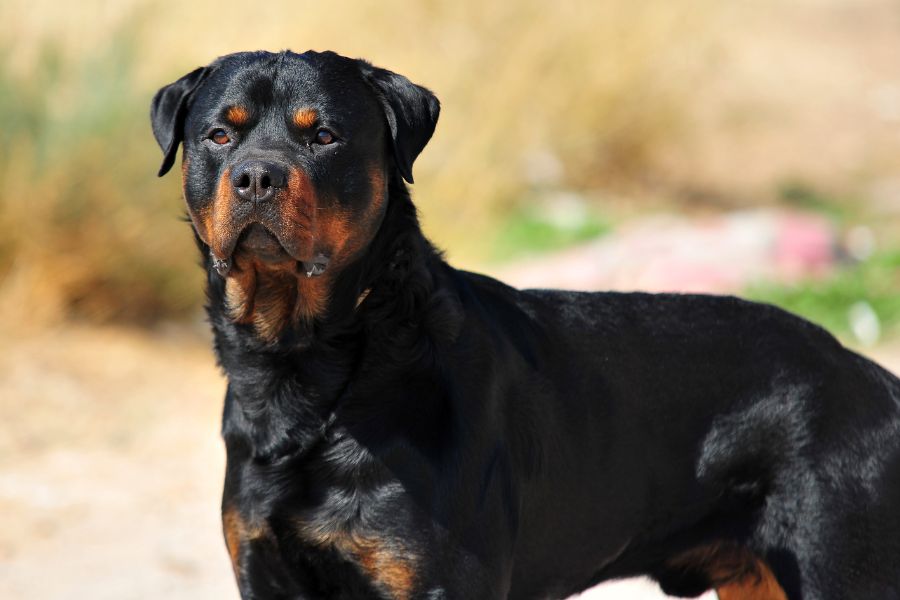
Rottweilers are often stereotyped as aggressive guard dogs, but people who know the breed understand that they’re actually confident, calm, and incredibly intelligent. These powerful dogs think before they act, which is exactly what you want in an animal this size.
Quick Facts:
- Size: Large (80-135 pounds)
- Common Colors: Black with tan, rust, or mahogany markings
- Energy Level: Moderate to high
- Best For: Experienced owners, families wanting a protective companion
Rottweilers descended from Roman cattle-driving dogs and later worked as butchers’ dogs in the German town of Rottweil, pulling carts and guarding livestock. This history created a breed that’s both physically capable and mentally sharp. They needed to make independent decisions about protecting their charges while also being biddable enough to work alongside humans.
The intelligence of a Rottweiler shows in their discernment. They assess situations carefully rather than reacting impulsively. When properly socialized and trained, they distinguish between normal visitors and actual threats, greeting the former with calm acceptance and deterring the latter with their imposing presence.
Training a Rottweiler requires consistency and respect. These dogs respond best to confident leadership that doesn’t rely on harsh methods. They’re sensitive despite their tough exterior and form deep emotional bonds with their families. Their intelligence means they pick up on inconsistency immediately, so everyone in the household needs to enforce the same rules.
Rottweilers enjoy activities that let them use their strength and smarts together. Cart pulling, advanced obedience, protection sports, and tracking all appeal to their working heritage. They also excel as therapy dogs once trained, using their calm intelligence to provide comfort in hospitals and nursing homes.
5. Golden Retriever

Golden retrievers combine intelligence with an almost magical ability to understand human emotions. These dogs figure out what you need before you even realize it yourself. That emotional intelligence is why they’re so successful as service and therapy dogs.
Quick Facts:
- Size: Large (55-75 pounds)
- Common Colors: Light golden to dark golden
- Energy Level: High
- Best For: Families, first-time owners, therapy work
Bred in Scotland during the mid-1800s to retrieve waterfowl during hunts, golden retrievers needed intelligence to mark multiple birds, navigate difficult terrain and water, and deliver game gently to hand. This created a dog with excellent memory, problem-solving abilities, and a strong desire to work with humans.
What makes goldens special is their trainability combined with their forgiving nature. They learn quickly and rarely hold grudges when you make mistakes during training. This patience makes them ideal for first-time dog owners who are still figuring things out. But don’t mistake their gentle temperament for lack of intelligence. These dogs are constantly observing and learning, even when you’re not actively training.
Golden retrievers excel in obedience, agility, dock diving, and field trials. They’re natural athletes with the brains to back up their physical abilities. Many work as guide dogs, search and rescue dogs, and therapy dogs because they combine intelligence with an intuitive understanding of human needs.
The key with golden retrievers is keeping training fun and positive. They’re sensitive souls who don’t respond well to harsh corrections. Instead, they thrive on praise, play, and the joy of learning alongside their favorite humans. Mental enrichment through puzzle toys, scent work, and regular training sessions keeps their minds sharp.
6. Australian Cattle Dog
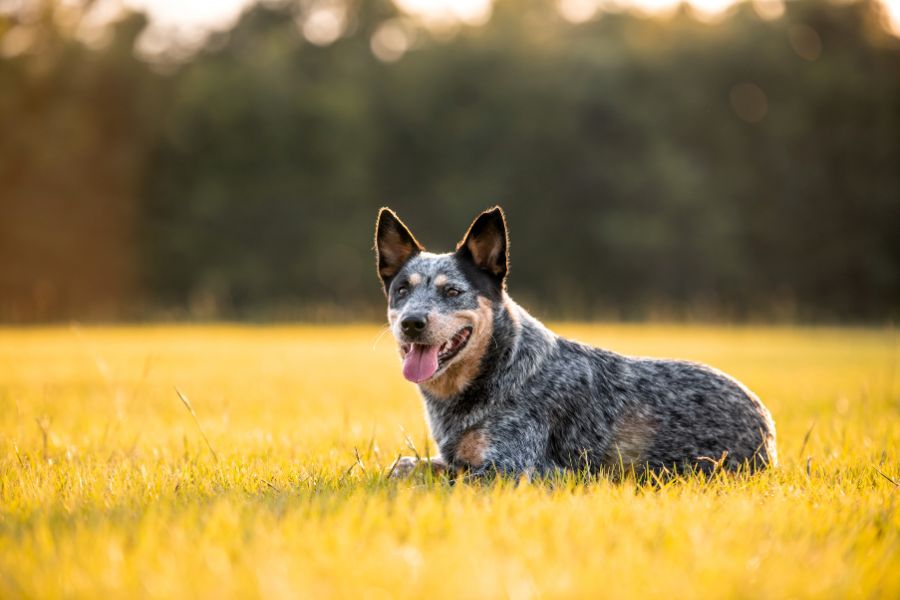
Australian cattle dogs pack serious brainpower into a compact, athletic body. These dogs were bred to herd cattle across the vast Australian outback, which required intelligence, stamina, and the ability to work independently for hours. That heritage created one of the smartest and most determined breeds around.
Quick Facts:
- Size: Medium (35-50 pounds)
- Common Colors: Blue, blue mottled, blue speckled, red speckled
- Energy Level: Extremely high
- Best For: Active owners, working environments, experienced handlers
Also known as blue heelers or Queensland heelers, these dogs think for themselves in ways that can surprise even experienced dog owners. They assess situations, make decisions, and solve problems without waiting for human direction. This independent intelligence made them perfect for controlling cattle in rough terrain, but it also means they need owners who can keep up, both mentally and physically.
Australian cattle dogs form intense bonds with their people and have an almost uncanny ability to predict what you’ll do next. They watch constantly, learning your routines and habits. Some owners swear their cattle dogs understand full conversations, and honestly, it’s hard to argue otherwise when you see how these dogs respond to subtle cues.
Training an Australian cattle dog requires creativity and consistency. They get bored with repetitive exercises, so mixing up training sessions keeps them engaged. They excel in dog sports like agility, flyball, herding trials, and competitive obedience. These activities channel their intelligence and energy into productive outlets.
Without adequate mental and physical stimulation, Australian cattle dogs can become destructive or develop compulsive behaviors. They need jobs, challenges, and plenty of activity to stay balanced. But for the right owner, they’re incredible companions who bring intelligence, loyalty, and endless entertainment.
7. Papillon
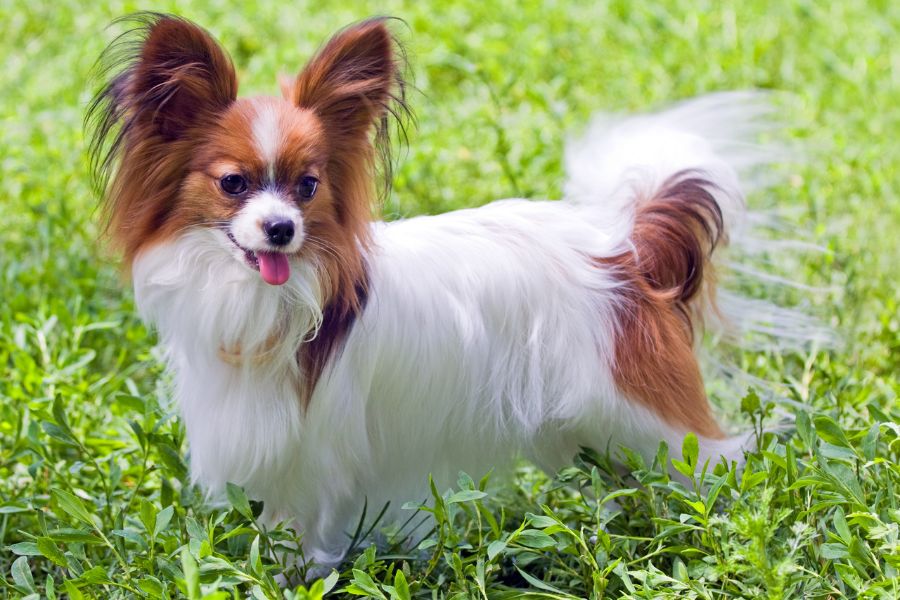
Don’t let the small size fool you. Papillons are tiny dogs with giant brains. These little dynamos consistently rank among the smartest breeds despite weighing less than most house cats. Their intelligence, combined with their athleticism, makes them stand out in the toy group.
Quick Facts:
- Size: Small (5-10 pounds)
- Common Colors: White with patches of any color (often black, brown, or red)
- Energy Level: Moderate to high
- Best For: Families, apartment dwellers, people wanting a portable genius
Named for their distinctive butterfly-like ears (papillon means butterfly in French), these dogs originated as companions to European nobility. But don’t assume they’re delicate lapdogs. Papillons are sturdy, athletic, and remarkably trainable. They regularly compete and win in agility competitions against much larger breeds, using their intelligence to navigate courses with precision.
Papillons learn new commands quickly and have excellent memory retention. They’re eager to please and genuinely enjoy training sessions, making them a joy to work with. Their small size means training can happen anywhere, and they adapt easily to different environments while maintaining their sharp minds.
These dogs notice everything happening around them and respond appropriately. They make excellent watchdogs, alerting to unusual sounds or visitors without the excessive barking common in some small breeds. Their intelligence helps them distinguish between normal daily activities and actual concerns.
Mental stimulation for Papillons can include trick training, puzzle toys, agility, and obedience work. Despite their small size, they have surprising stamina and enjoy activities that challenge both their minds and bodies. They’re also highly social and benefit from interaction with people and other dogs.
The Papillon’s intelligence makes them easy to train, but they’re also quick to pick up bad habits if not given proper guidance. Consistent, positive training from puppyhood creates a well-mannered companion who’s both smart and well-behaved.
Living With a Canine Genius
Having one of these intelligent breeds means signing up for a lifelong mental workout, trust me as much as I love Lottie, she’s hard work. These dogs challenge you to be creative, consistent, and always one step ahead. But the reward is a companion who understands you deeply, learns constantly, and brings incredible joy through their cleverness.
Lottie keeps me on my toes every single day. Living with a border collie has taught me that a dog’s intelligence is a gift that requires responsibility. These smart breeds need owners willing to provide the mental stimulation, training, and activity they crave.
Whether you’re drawn to the herding instincts of border collies and Australian cattle dogs, the versatile working ability of German shepherds and Rottweilers, the trainable nature of poodles and golden retrievers, or the surprising smarts of papillons, each of these breeds offers something special. They’re more than pets, they’re partners who engage with you intellectually and emotionally in ways that constantly amaze.