7 Things Humans Do That Dogs Hate and Why They Annoy Our Furry Friends

Certain things our dogs do drive us up the wall, such as rubbing their head in fox poop or shaking all over you when they’re soaking wet. But have you ever thought about the things humans do that dogs hate? I certainly hadn’t, or not till recently, when I was at the vets reading an article about that very subject.
It turns out there are quite a few things we do or don’t do, as the case may be, that really aggravate our furry friends. From lack of routine to shouting too loudly, there are quite a few habits we humans have that our dogs find annoying.
Once you know what these are, it’s a lot easier to do something about them. After all, I don’t like to think of getting on my dog’s nerves. I want her to love me unconditionally, all the time.
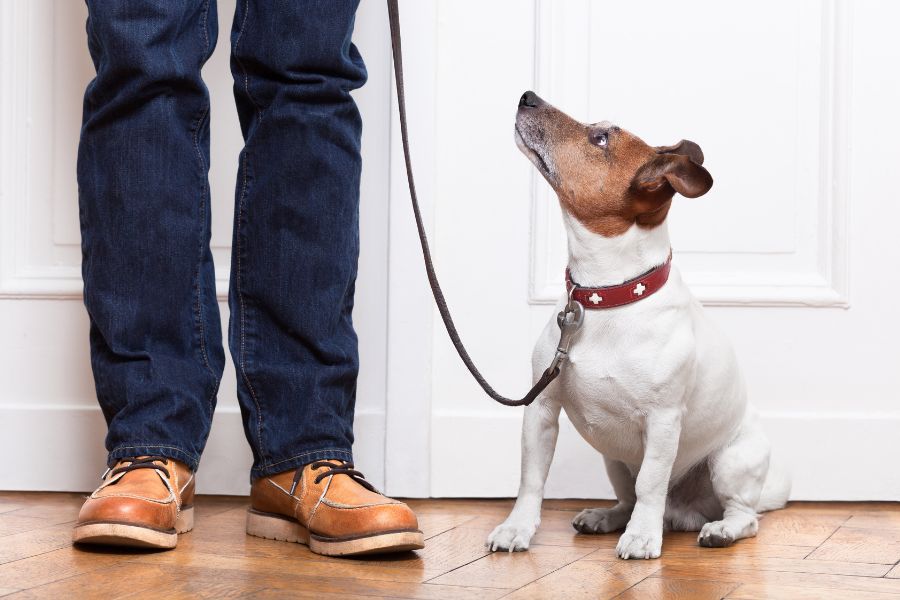
7 Things Humans Do That Dogs Hate
Understanding what bothers your dog isn’t just about being a better pet parent; it’s about respecting their needs and making sure they feel safe and happy in their own home. So let’s dive into seven common habits that might be getting under your dog’s fur.
No Routine or Structure
Dogs are creatures of habit. They thrive when they know what’s coming next, whether that’s breakfast at 7 a.m. or their evening walk after dinner. When we mix things up constantly or keep irregular schedules, it can leave them feeling anxious and unsettled.
Think about it from their perspective. If you never knew when you’d eat, sleep, or get to use the bathroom, you’d probably feel pretty stressed too. Dogs don’t have watches or calendars, so they rely on patterns to understand their world.
Why it bothers them: Without predictable routines, dogs can develop anxiety, destructive behaviors, or even digestive issues. They need that structure to feel secure and know their basic needs will be met.
What to do instead: Try to keep feeding times, walks, and bedtime consistent, even on weekends. If your schedule varies, create smaller routines within your day that your dog can count on. Even something as simple as a morning cuddle session before you leave for work can provide comfort.

Shouting and Screaming
Your dog doesn’t understand that you’re yelling at the television during a football game or having a heated phone conversation with mom. All they know is that someone they love is making loud, aggressive sounds, and that’s genuinely frightening for them.
Dogs have incredibly sensitive hearing, so what seems like normal volume to us can feel overwhelming to them. Add in an angry tone, and you’ve got a recipe for one very stressed pooch.
Why it bothers them: Raised voices trigger their fight or flight response. They may cower, hide, or even develop anxiety around certain situations. Some dogs become so stressed by yelling that they have accidents in the house or display submissive behaviors.
What to do instead: If you need to correct your dog, use a firm but calm voice. Save the volume for emergencies when you need to get their attention quickly for safety reasons. When you’re upset about something else, try to step away from your dog or reassure them with gentle touches so they know the anger isn’t directed at them.
Strong Smells and Fragrances
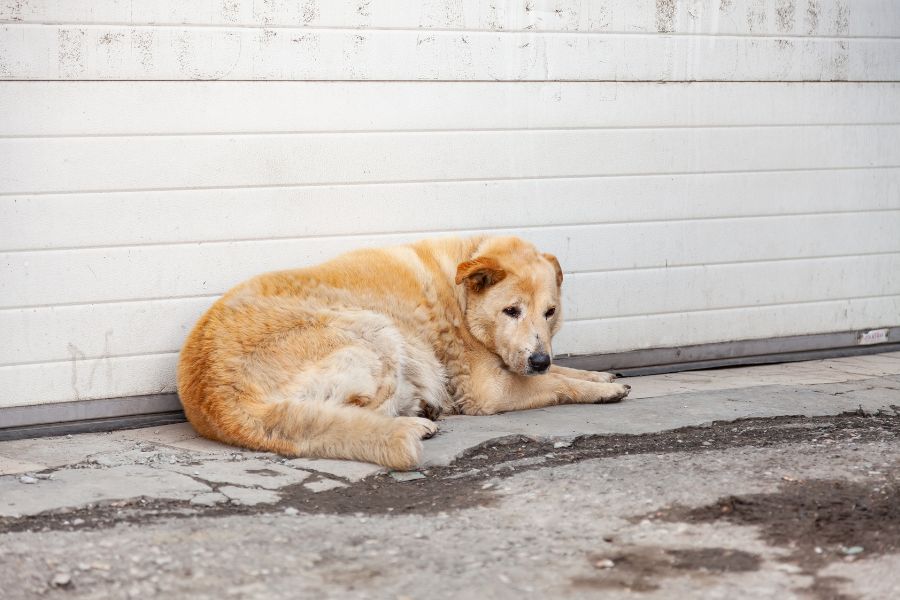
That new vanilla candle might smell amazing to you, but your dog’s nose is between 10,000 and 100,000 times more sensitive than yours. What’s a pleasant scent to us can be absolutely overwhelming to them. This can especially be the case with strong perfumes or aftershave.
A scent that barely registers with you is probably suffocating to their super-powered noses.
Why it bothers them: Strong artificial fragrances, perfumes, cleaning products, and air fresheners can cause discomfort, headaches, or even respiratory issues in dogs. Some ingredients in scented products can actually be toxic to pets.
What to do instead: Choose unscented or pet-safe products when possible. If you love candles or diffusers, use them in rooms your dog doesn’t spend much time in, and make sure there’s always good ventilation. Your dog will appreciate being able to breathe easily in their own space.
Being Dressed Up
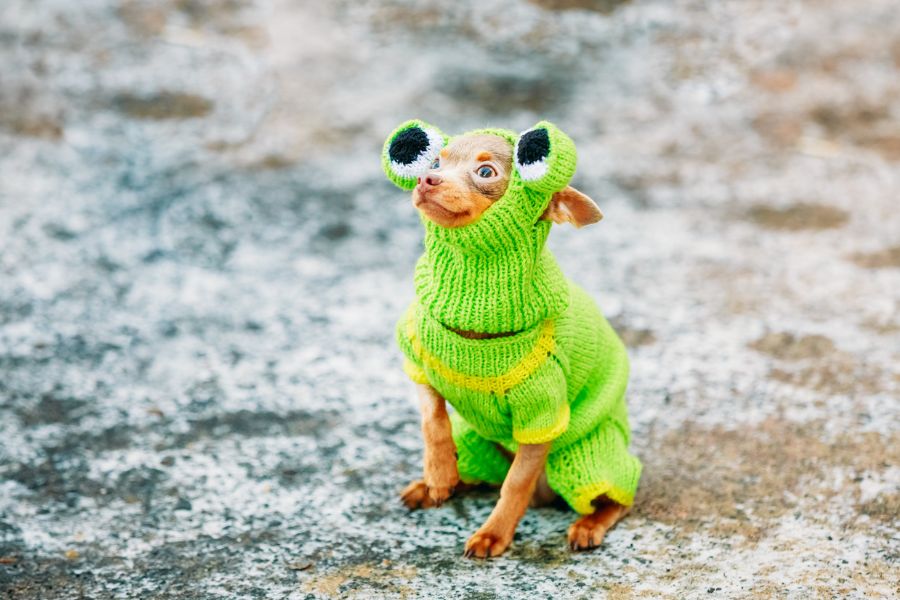
Sure, that little Santa hat or Halloween costume looks adorable, and yes, it’ll get tons of likes on Instagram. But unless your dog genuinely needs clothing for warmth or protection, they’d probably rather go naked.
Most dogs find clothing restrictive and uncomfortable. It interferes with their ability to regulate body temperature, restricts their movement, and just feels weird against their fur. Some dogs tolerate it better than others, but very few actually enjoy it.
Why it bothers them: Clothing can cause stress, overheating, and skin irritation. It also prevents dogs from communicating properly through body language, since other dogs can’t clearly see their posture or tail position. The sensation of tight fabric can cause some dogs to freeze or move awkwardly.
What to do instead: If your dog needs a coat for cold weather, choose a lightweight, well-fitting one that doesn’t restrict movement. For fun photos, keep costume time brief and watch for signs of stress, such as excessive panting, attempts to remove the outfit, or a tucked tail. And if your dog clearly hates it, skip the dress-up altogether. Their comfort matters more than the photo op.

Not Allowing Them to Sniff on Walks
You might think walks are all about exercise, but for your dog, they’re primarily about information gathering. Every smell tells a story—who walked by earlier, whether there’s a cat in the neighborhood, or if it might rain soon.
When we constantly pull them along or get frustrated when they stop to sniff, we’re essentially yanking them away from reading their morning newspaper. It’s one of the most enriching parts of their day, and we’re cutting it short.
Why it bothers them: Sniffing provides mental stimulation that can be just as tiring as physical exercise. Dogs who aren’t allowed to sniff often seem more hyperactive at home because they haven’t had proper mental enrichment. It also increases their stress levels since they can’t engage in natural, instinctive behavior.
What to do instead: Build sniffing time into your walks. You don’t have to let them sniff every single blade of grass, but allow for dedicated sniff breaks where they can explore to their heart’s content. Consider alternating between faster-paced walking for exercise and slower, exploratory walks where sniffing is the main event. Your dog will come home mentally satisfied and much calmer.
Invading Their Space
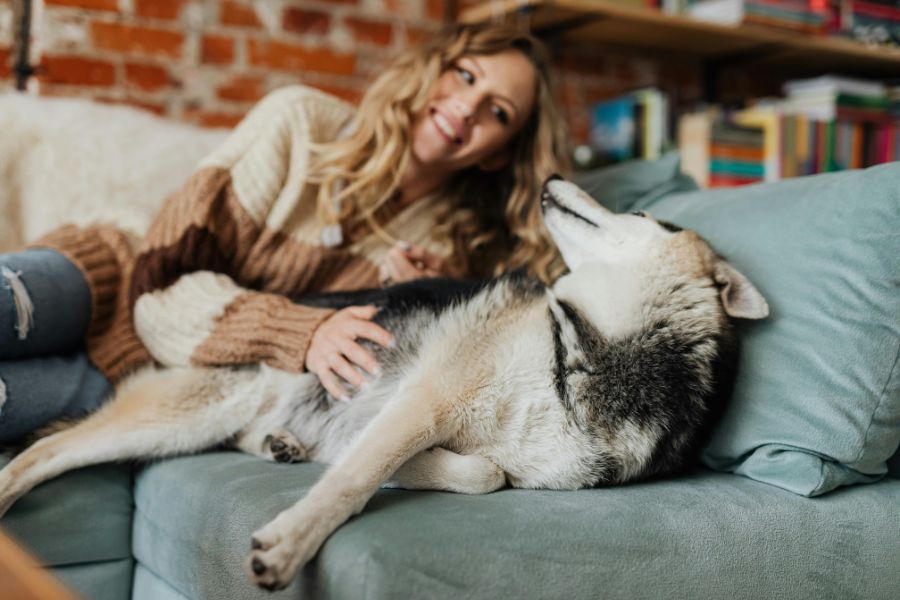
Dogs need alone time, too. Whether they’re sleeping, eating, or just hanging out in their favorite spot, they don’t always want to be touched, petted, or bothered. Yet we often ignore these boundaries because they’re so darn cute we can’t help ourselves.
This is especially important to remember if you have kids. Teaching children to respect a dog’s space helps prevent stress for everyone and helps avoid potential bites or snaps from a dog that’s been pushed too far.
Why it bothers them: Constant touching and invading personal space can lead to stress, anxiety, and even aggression in dogs who feel they have no escape. Dogs who can’t retreat to a safe space may become reactive or develop guarding behaviors.
What to do instead: Give your dog a designated safe zone, whether that’s a crate, bed, or specific room, where they can go when they need a break. Teach everyone in the household that when the dog goes to this space, they’re off limits. Watch for signs your dog needs space, like moving away, lip licking, yawning, or whale eye. Respecting these signals builds trust and prevents behavioral issues down the road.
Leaving Them or Ignoring Them
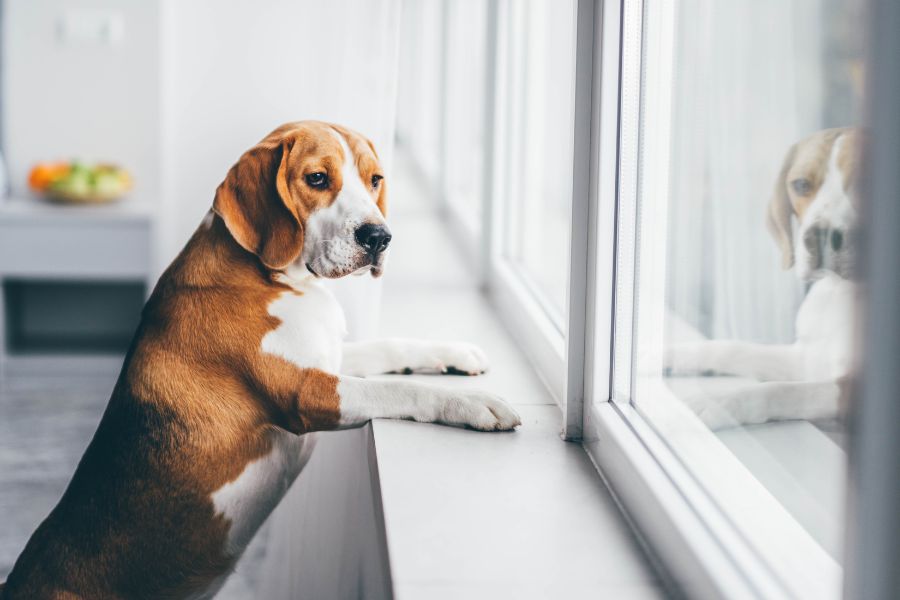
Dogs are pack animals that have been bred for thousands of years to live and work alongside humans. When we leave them alone for long periods or ignore them when we’re home, it goes against everything in their nature.
This doesn’t mean you need to entertain your dog every second of the day. But dogs need social interaction, attention, and quality time with their people. When they don’t get it, they can develop separation anxiety, depression, or attention-seeking behaviors that drive us crazy.
Why it bothers them: Prolonged isolation or neglect can cause serious psychological issues. Dogs may become destructive, excessively vocal, or withdraw completely. Some develop such severe separation anxiety that they injure themselves trying to escape or have panic attacks when left alone.
What to do instead: Before getting a dog, honestly assess whether your lifestyle allows for proper attention and care. If you work long hours, consider doggy daycare, a dog walker, or working from home occasionally. When you are home, spend quality time with your dog through play, training, or even just hanging out together. Those moments of connection mean everything to them.
Understanding what bothers our dogs helps us become better companions to them. These seven things might seem small to us, but they make a huge difference in how comfortable and happy our dogs feel every day. By making a few simple changes, we can create an environment where our dogs truly thrive.