Dogs Behaving Badly: The Worst Behaved Dog Breeds in the World and Their Polar Opposites

Let me tell you something I’ve learned after years of watching dogs and their humans navigate life together. Some breeds make training look like a walk in the park, while others turn every training session into an Olympic sport.
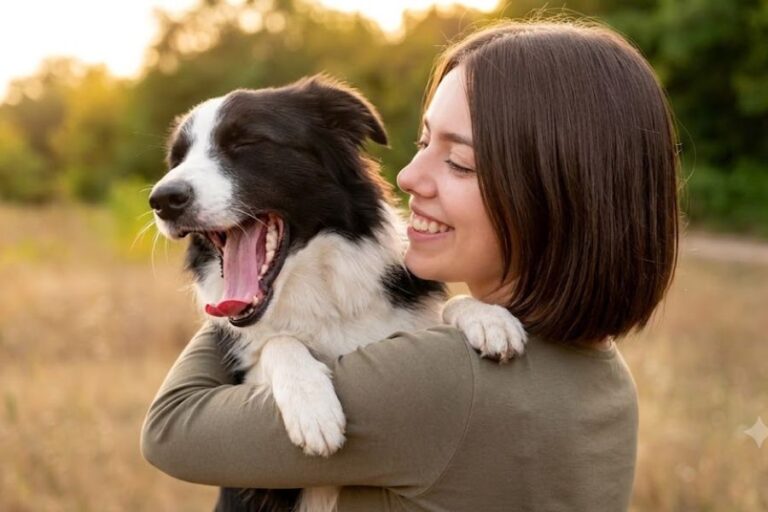
Training my border Collie Lottie, was a marathon, not a sprint. We got there in the end, but I was wondering if she was simply untrainable. It was a battle of the wills. She’s an intelligent dog and pushed every boundary known to man.
Here’s the thing, though. When we talk about “badly behaved” dogs, we’re really talking about breeds that march to the beat of their own drum. These pups weren’t designed to follow orders blindly. They were bred for independence, for making their own decisions, for trusting their instincts over human commands. That stubborn streak you’re battling? It’s actually centuries of careful breeding at work.

The Worst Behaved Dog Breeds in the World
Let’s dive into the breeds that give their owners the most gray hairs, and then meet their polar opposites who seem to come pre-programmed with good manners.
The Independent Thinkers
The dog breed at the top of the list of training challenges is a Beagle, and anyone who’s ever lived with one knows exactly why. These walking noses were designed to follow scent trails for miles, making their own decisions about where to go and when to stop. When your Beagle catches wind of something interesting, your commands might as well be whispers in a hurricane.
They’re not ignoring you to be difficult. Their brain is simply hardwired to prioritize what their nose tells them over what you’re saying. My friend Sarah has a Beagle named Biscuit, and she jokes that recall training lasted approximately three seconds before Biscuit discovered the neighbor’s compost pile.

Every walk became a negotiation, every training session a test of patience. But here’s what Sarah figured out. Beagles aren’t untrainable. They just need training that works with their instincts instead of against them.
Afghan Hounds bring their own special brand of independence to the table. These elegant dogs were bred to hunt without human direction across vast desert landscapes. They made life or death decisions on their own for generations, so asking them to sit on command feels a bit beneath their pay grade. They’re intelligent, just selectively cooperative.
Basset Hounds share the scent-hound independence, but add their own twist. They move at their own pace, think things through thoroughly, and refuse to be rushed. Training a Basset requires the patience of a saint and the persistence of someone who genuinely enjoys a challenge.
The Energetic Entrepreneurs
Jack Russell Terriers pack more energy into their small frames than seems physically possible. These dogs were bred to hunt rats and follow foxes into underground dens, which means they’re fearless, tireless, and absolutely convinced they’re in charge.

Without enough mental and physical stimulation, they’ll create their own entertainment, and trust me, you won’t like their ideas.
Siberian Huskies present a different challenge altogether. These gorgeous dogs were bred to run for miles across frozen tundra, making independent decisions about route and pace. They’re escape artists, vocal conversationalists, and masters of selective hearing.
Training them requires creativity, consistency, and accepting that they’ll always be plotting their next great adventure.
The Guardians Who Guard Too Well
Chow Chows are naturally aloof and protective, which sounds great until you realize they think everyone except family members might be a potential threat. They’re loyal to their core but suspicious of strangers, resistant to commands from people they don’t respect, and generally unimpressed by traditional training methods.

Rottweilers can be wonderful family dogs, but they need experienced handlers who understand their protective instincts. Without proper training and socialization, their natural guarding tendencies can become problematic. They’re smart enough to question why they should follow a command, which means wishy-washy training approaches fail spectacularly.
The Terrier Tenacity
Dachshunds might look adorable, but they were bred to hunt badgers in underground tunnels. Think about that for a second. These little dogs had to be brave enough, stubborn enough, and independent enough to face down an angry badger in the dark. That courage translates to a dog who knows what they want and sees no reason to compromise.

Bull Terriers and their cousins bring intensity to everything they do. They’re strong-willed, energetic, and completely committed to their own agenda unless you give them compelling reasons to follow yours. Training them requires establishing yourself as someone worth listening to, which takes time, consistency, and unwavering follow-through.
Now Meet the Easy to Train Dog Breeds
Time to talk about breeds that make training look effortless. These dogs were bred to live for human approval. Golden Retrievers practically invented the concept of eager-to-please. They love learning, thrive on praise, and genuinely want to make you happy. Training sessions feel like bonding time rather than battles of will.

Labrador Retrievers share that same enthusiasm for training. They’re food motivated, praise motivated, and generally just happy to be included in whatever you’re doing. Labs were bred to work closely with hunters, which means centuries of selection for dogs who pay attention, follow directions, and come back when called.
Border Collies take trainability to an extreme. These dogs are so smart and so focused that they can learn complex commands in just a few repetitions, unless they’re Lottie. The farmer I bought her from did say she was the runt of the litter, and he couldn’t use her. I understand why. Luckily, I wanted a pet, not a working dog, so she’s perfect for us.
Collies need jobs to do, puzzles to solve, and challenges to overcome. The risk with Border Collies isn’t that they won’t learn, it’s that they’ll get bored if you don’t keep pushing their abilities.
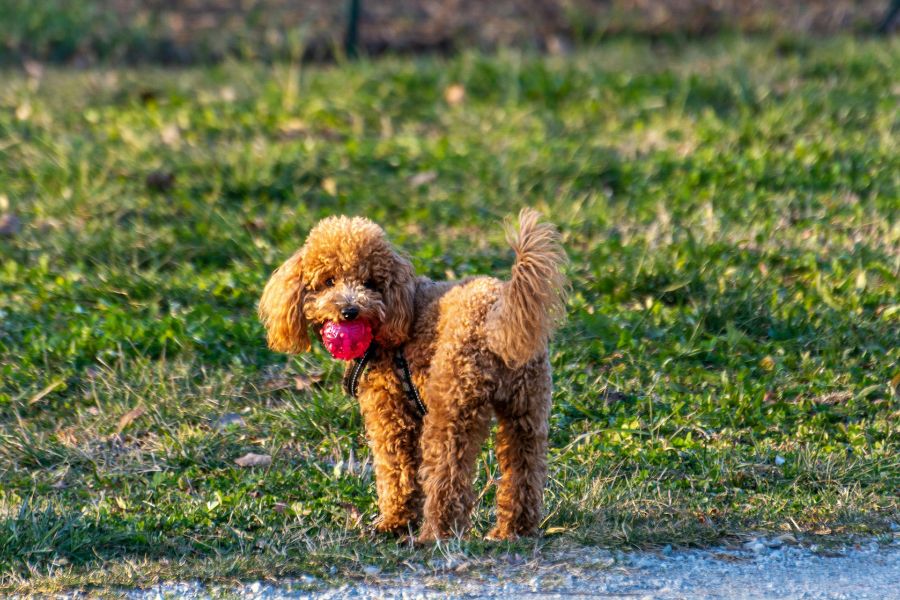
Poodles surprise people who assume they’re just pretty faces. My mum had a poodle before I was born, and she said he was so easy to train. He could perform all sorts of tricks and learned them all quickly.
Poodles are wicked smart and highly trainable across all three sizes. They were originally working dogs bred to retrieve waterfowl, which required intelligence, focus, and cooperation. Modern Poodles retain all that trainability while also being adaptable to various living situations.
German Shepherds combine intelligence with a strong desire to work. They excel at service dog roles, police work, and search and rescue precisely because they’re trainable, focused, and committed to their jobs. They form strong bonds with their handlers and take their responsibilities seriously.
The Science Behind the Difference
Research from the University of Helsinki found that breed does influence personality and trainability, though not as dramatically as people once believed. Their study of over 11,000 dogs showed that certain breeds do show higher trainability scores, particularly herding dogs, retrievers, and sporting breeds. But here’s the crucial part. Individual personality matters just as much as breed.
The American Kennel Club points out that breeding for specific behaviors has been happening for generations. Breeds developed for independent work, like hounds and terriers, naturally show more autonomous decision-making. Breeds developed for cooperative work, like retrievers and herding dogs, naturally tune into human cues more readily.
According to research published in a Science journal, less than 25 percent of behavioral differences between individual dogs can be explained by genetics alone. Environment, training, and individual temperament play huge roles. That stubborn Beagle might surprise you with the right approach, just like that supposedly easy Golden Retriever might develop behavior issues without proper guidance.
Making It Work
Here’s what I’ve learned from watching friends navigate life with challenging breeds. Success comes from understanding what your dog was bred to do and working with those instincts instead of fighting them.
That scent hound who won’t come when called? Train recall in low-distraction environments first, use high-value treats, and accept that they’ll always be somewhat independent. Make coming back more rewarding than whatever they’re sniffing.
That terrier who thinks they’re the boss? Establish clear boundaries from day one, stay consistent with rules, and channel their energy into appropriate outlets. They need to understand you’re worth following, not that they need to be dominated.
That guardian breed that’s too protective? Socialize extensively from puppyhood, teach them to trust your judgment about threats, and reward calm behavior around strangers. They’ll still protect you, but they’ll be more discerning about when protection is actually needed.
The supposedly “easy” breeds need attention, too. Those eager-to-please retrievers and herding dogs need mental stimulation, physical exercise, and clear guidance. Their trainability means they’ll learn good habits quickly, but they’ll also pick up bad habits just as fast if you’re not paying attention.
Whether you’re living with a stubborn scent hound or an eager-to-please retriever, the key is the same. Understand what makes your dog tick, work with their nature instead of against it, and build a relationship based on mutual respect rather than blind obedience. That’s when the magic happens, regardless of which breed is sleeping on your couch.