7 Easy Ways to Save Money at the Vet and the Expensive Mistake Almost Every Pet Owner Is Making

Vet bills can be a huge shock to the system, especially when they’re unexpected, which they often are. One minute your pet is perfectly fine, and the next you’re in vet A&E. It’s not something we like to think about, but if we don’t, we can be in for a nasty surprise.
We all want the best for our pets, and we’ll do anything to make sure they aren’t in pain or suffering. However, vet bills can run into the thousands, and with all the best will in the world, if we don’t have the money, we can’t pay.
I’ve been in that scenario, and I promised it would be the first and last time. So, I set about finding ways to save money at the vet, and this is what I’ve implemented to ensure my border collie, Lottie, has the best care possible if something happens to her.

7 Easy Ways to Save Money at the Vet
Here are some smart ways to keep your pet healthy without draining your bank account.
Never Skip Those Annual Checkups
This might sound backwards when you’re trying to save money. Why would you pay for a vet visit when nothing seems wrong? Because catching problems early saves you serious cash down the line.
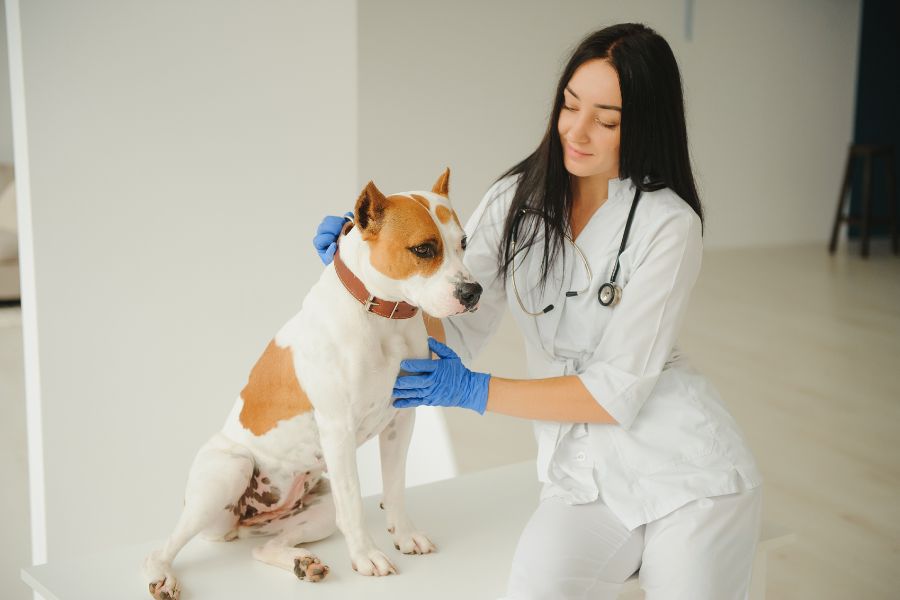
When Lottie was five, her annual exam caught an ear infection before it became a major issue. That visit cost me around $60, while treating a severe infection later would have run into hundreds.
Veterinarians can spot things during routine exams that you’ll never notice at home, such as early stage heart disease, kidney problems, and dental issues. These conditions are much cheaper to manage when they’re caught early rather than waiting until your dog is visibly sick.
Regular checkups also include things like parasite testing and preventive care recommendations that keep bigger problems at bay. I do this as part of Lottie’s yearly booster jab visit.
Get Smart About Buying in Bulk
When you’re purchasing items like flea prevention or heartworm medication, buying a six- or twelve-month supply at once can save you significant money compared to monthly purchases. It works the same way as stocking up at the grocery store. You’re locking in a better per-dose price.

Before you stock up, though, make sure you’re actually getting a deal. Sometimes the bulk pricing isn’t that different from monthly costs, so it pays to compare. And check the expiration date. You don’t want to buy a year’s supply only to find out half of it expires in eight months.
Store everything properly, too. Most preventatives need to stay in a cool, dry spot away from direct sunlight to remain effective.
You can stock up on Amazon with popular brands such as Nexgard Plus, Capstar, and PetArmor, although you may be asked to upload a prescription from your vet.
Take Advantage of Manufacturer Rebates
Pharmaceutical companies that make popular pet medications often offer rebates or reward programs that can put cash back in your wallet. We’re talking about big names like Zoetis and Boehringer Ingelheim that manufacture everything from flea treatments to allergy medications.
Your vet’s office usually has information about current rebate offers, or you can check the manufacturer’s website directly. Sometimes these programs give you points you can use toward future purchases. Other times, they’re straightforward cash rebates. Either way, you’re saving on medications your dog needs anyway.
Consider Pet Insurance Before Problems Start
This might seem like an added expense when your dog is young and healthy, but pet insurance is one of those things you need before you actually need it. Once your dog develops a health condition, that becomes a pre-existing condition that won’t be covered by any policy you buy afterward.

Insurance policies typically reimburse you for a percentage of eligible vet expenses after you’ve met your deductible. The coverage can be a lifesaver when you’re facing an emergency surgery or managing a chronic condition. Without it, you might be looking at bills in the thousands that have to be paid out of pocket.
Shop around before choosing a policy. Different companies offer different coverage levels, reimbursement rates, and premium costs. Look for policies that let you visit any licensed vet rather than restricting you to specific networks. Read the fine print about what’s covered and what’s not. Some policies include wellness care as an add-on, which can help with routine costs, too.
Check Out Warehouse Clubs for Medications
Places like Costco and Sam’s Club actually carry pet medications, and their prices are often significantly lower than what you’d pay at your vet’s office. If you’re already a member of one of these warehouse clubs, it’s worth comparing prices before you refill your dog’s prescriptions.
They typically stock common medications like flea and tick preventatives, heartworm prevention, pain medications for arthritis, allergy treatments, and thyroid medications. The selection varies by location, but the savings can be substantial. Sometimes we’re talking about paying half of what the same medication costs elsewhere.
You’ll need a prescription from your vet to purchase these medications at a warehouse club. They operate like a regular pharmacy in that regard. Call your vet’s office and ask them to send the prescription to the warehouse club’s pharmacy, or pick it up yourself and bring it with you. Taking this extra step can save you a good chunk of money, especially on medications your pet takes long-term.
Look Into Wellness Plans at Your Vet
Many veterinary clinics now offer wellness plans that bundle routine care into a monthly payment. These aren’t insurance. They’re more like membership programs that spread out the cost of things like annual exams, vaccinations, routine blood work, and sometimes even dental cleanings throughout the year.

Instead of getting hit with a large bill once or twice a year for routine care, you’re paying a consistent monthly fee. This makes budgeting for pet care much easier. You know exactly what you’re spending each month, and there are no surprise bills for the preventive services included in the plan.
Some wellness plans also include discounts on other veterinary services not covered by the monthly fee. Before you sign up, though, do the math. Calculate what you normally spend on routine care in a year and compare it to what the wellness plan costs. If you’re already spending $400 or more annually on preventive care, a wellness plan usually makes financial sense.
The other benefit is that wellness plans encourage you to actually keep up with routine care. When those services are already covered, you’re more likely to schedule that annual checkup rather than putting it off because you don’t want to deal with the bill.
Build Your Own Emergency Fund
I know this isn’t a quick fix, but it’s one of the smartest things you can do. Put aside even small amounts regularly into a savings account just for pet care. When an emergency hits (and eventually one will), you’ll have something to fall back on instead of facing an impossible choice or going into debt.

Start with whatever you can manage. Even $20 a month adds up over time. This fund covers those unexpected situations that insurance might not. It gives you options and peace of mind. You can also look into dedicated pet savings accounts or even a CareCredit card designed for healthcare expenses if you need flexible payment options for larger bills.
The bottom line is this: saving money on vet care isn’t about cutting corners on your dog’s health. It’s about being proactive, preventing problems before they start, and making smart financial choices that benefit both you and your pet. Your dog relies on you to keep them healthy, and these strategies help you do exactly that without breaking the bank.