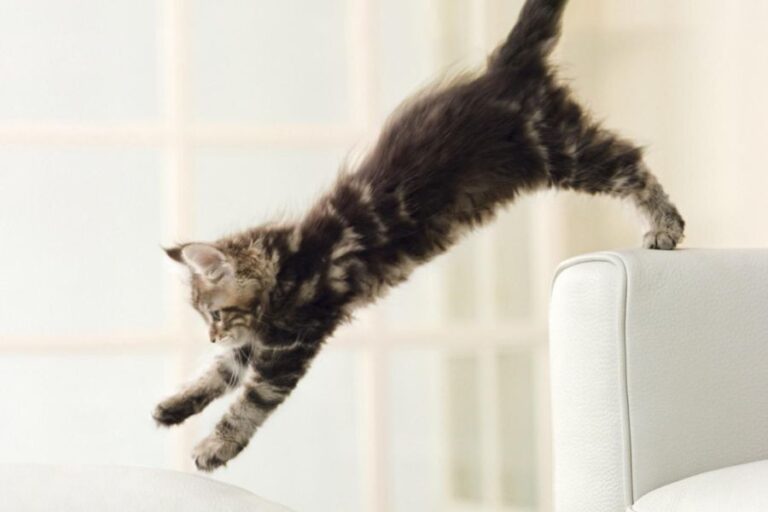
Is Your Cat Manipulating You? 8 Sneaky Tricks Cats Use to Train Their Humans

There’s a moment that happens in every cat owner’s life when the truth becomes painfully clear. You aren’t the one in charge; your cat is. Your cat has been running a long con on you since the day they moved in. Your cat has been running a sophisticated psychological operation designed to turn you into their personal assistant.
The evidence is everywhere once you start looking. You wake up at specific times because your cat trained you to do so. You’ve rearranged the furniture to match their preferences. You stop mid-sentence when they meow because you’ve been conditioned to respond immediately to their vocalizations.
Welcome to the uncomfortable truth about cat ownership. Your cat runs your household, not you. Is your cat manipulating you? Let’s find out if you recognize any of these common tricks cats use on their humans.
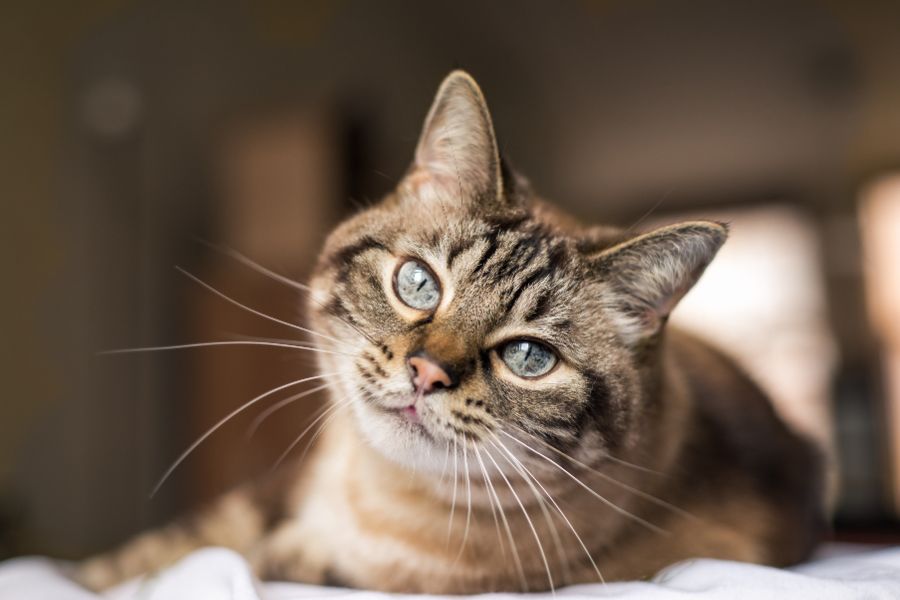
8 Ways Your Cat Is Manipulating You
There is no getting away from it, your cat has been manipulating you from day one, and if they could speak, they’d tell you so. These eight tricks are the most popular ones in a cat’s arsenal, and you’ve absolutely fallen for all of them.
1. The Custom Meow System
Adult cats don’t meow at each other. That’s right, the whole meowing thing? They invented it specifically for communicating with humans. It’s a manipulation tool they developed just for us.
Your cat has created different meows for different demands. The food meow sounds different from the door meow, which sounds different from the “pay attention to me immediately” meow. They’ve basically built a custom communication system designed to control your behavior.
Research published in Current Biology found that cats deliberately blend their meows with high-pitched frequencies similar to a baby’s cry. This triggers your instinct to respond, the same way you’d respond to an infant in distress. Your cat is exploiting your biological programming for their own benefit.
Even their purring is strategic. When cats want something, they produce what scientists call solicitation purring, which has a more urgent, high-frequency component that mimics infant sounds. They are extremely calculated in everything they do.
The really clever part? They’ve trained you so well that you can now identify what they want based purely on the sound they make. You’ve learned their language, which means they’ve successfully taught you to respond on command.
2. The Slow Blink Manipulation
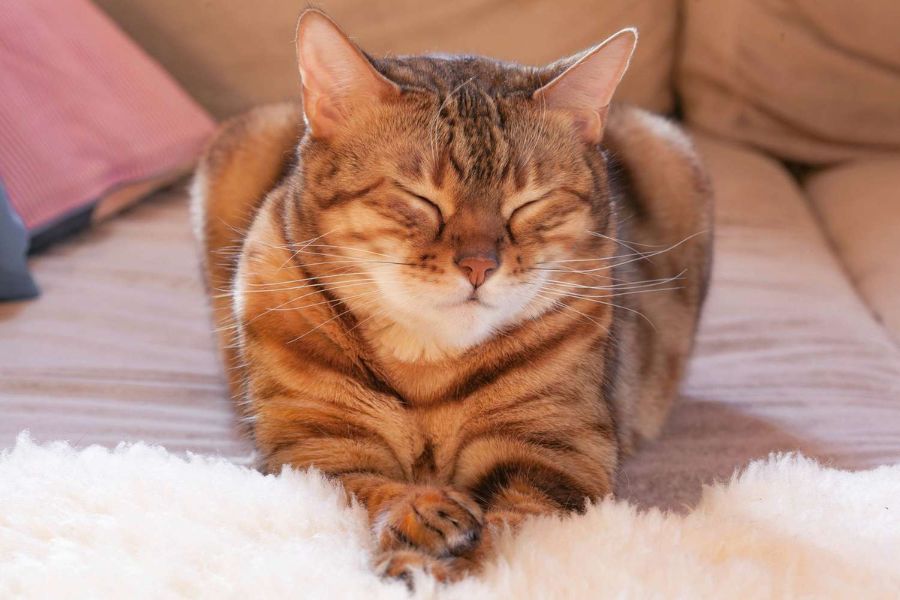
That lazy, half-closed gaze your cat gives you? The one that melts your heart and makes you forgive them for knocking your coffee off the table? That’s a weapon.
Animal behaviorists will tell you the slow blink is a sign of trust and affection, basically a cat kiss. But it’s also a mind trick that makes you completely incapable of saying no to whatever they want next.
A 2020 study in Scientific Reports confirmed that cats understand the power of the slow blink. They’re more likely to approach humans who slow blink at them, and they return the gesture strategically. They know exactly what that look does to you.
The direct stare is equally manipulative. When your cat sits across the room and stares at you without blinking, especially while you’re eating, they’re negotiating. That uncomfortable feeling you get when they stare? That’s intentional. They’re making you so aware of their presence that you eventually give them whatever they want just to end the psychological pressure.
3. The Breakfast Training Program
Your cat wakes you up at the exact same time every morning, and you’ve convinced yourself they have some kind of magical internal clock. They do have good circadian rhythms, but that’s not what’s happening here.
What’s actually happening is that your cat trained you to feed them at a specific time, and now they’re holding you to that schedule with the dedication of a drill sergeant. You created this monster through consistent response to their demands, and now you’re trapped in a routine of their design.
Some cats take it further with the dawn yowling, the face pawing, or the strategic knocking of objects off your nightstand. This is behavior conditioning, and you’re the test subject.
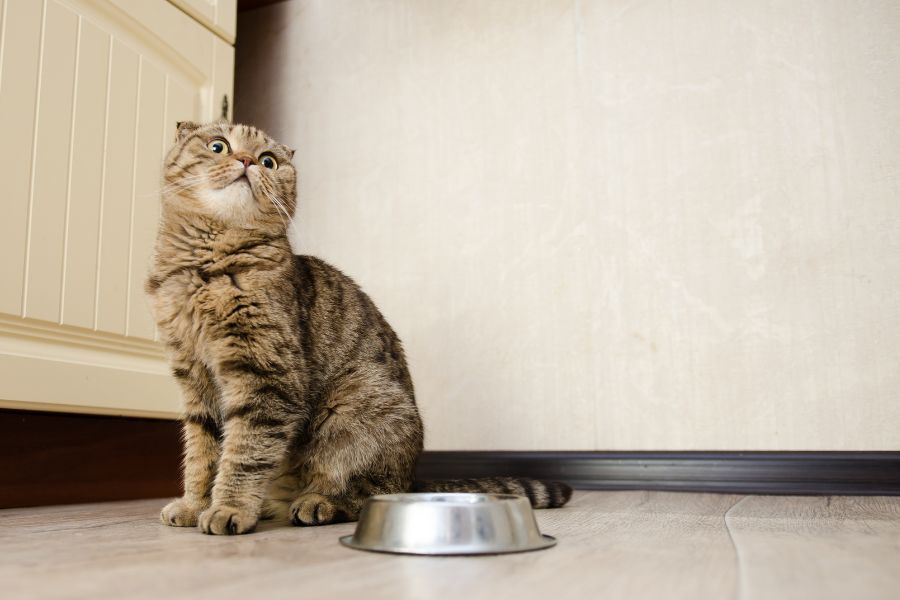
The empty bowl performance is particularly impressive. Even when there’s food remaining, your cat will sit beside the bowl looking tragic, paw at it dramatically, or stare at you with an expression that suggests imminent starvation.
They’ve trained you to respond to visual cues, emotional manipulation, and the guilt of potentially letting them go hungry. That’s three separate conditioning techniques in one interaction.

4. The Strategic Inconvenience Timing
Cats have an uncanny ability to appear at the worst possible moment. The second you sit down to work, they’re on your keyboard. The instant you answer an important phone call, they’re yowling in the background. You start folding laundry, and suddenly they’re sleeping in the basket.
Research published in Behavioral Processes shows that cats can distinguish between when you’re paying attention and when you’re distracted. They understand object permanence and can track your location even when they can’t see you. Your cat knows exactly where you are and what you’re doing at all times.
They choose these moments specifically because that’s when you’re most likely to give in. You’re busy, stressed, or focused on something else, which means you’ll do whatever it takes to resolve the interruption quickly. Usually, that means giving them exactly what they want.
5. The Body Language Remote Control
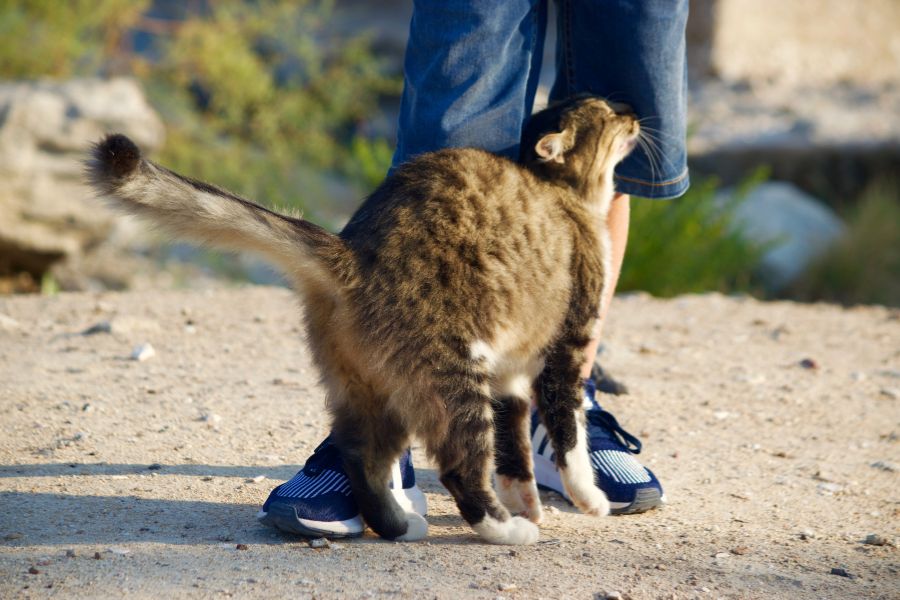
When your cat rubs against your leg, while they are being somewhat affectionate, they’re also scent marking. They’re claiming ownership of you. You’re theirs now.
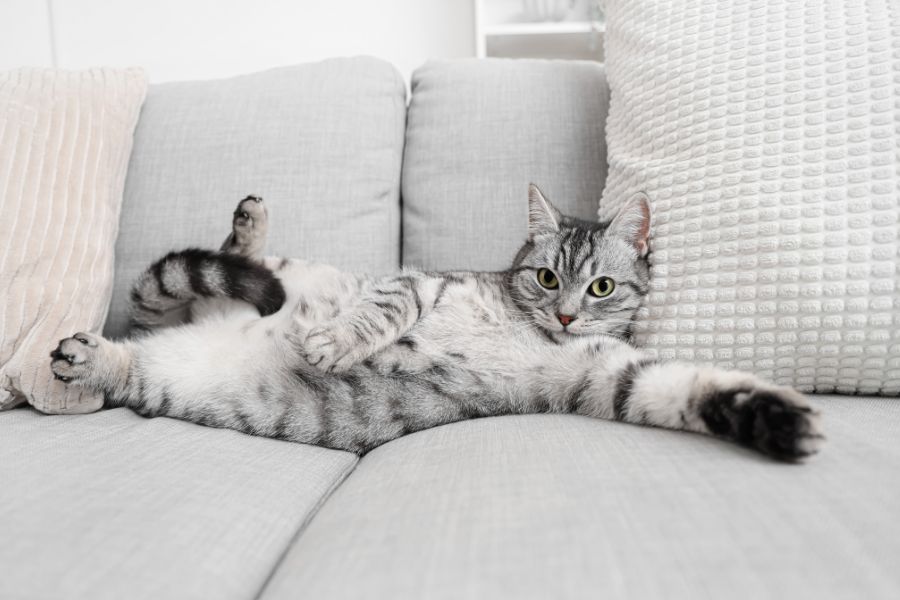
Cats have turned their entire body into a communication device, and they’ve trained you to read every signal. Tail up means happy, tail flicking means annoyed, and head butts mean affection or a demand for attention. The dramatic flop onto their back means they want something from you right now.
The genius of this system is that you respond automatically. You see the signals and react without conscious thought. That’s the definition of successful training.
Even the position and movement of their ears communicates information you’ve learned to interpret. They’ve taught you an entire nonverbal language, and you follow their instructions without questioning whether you’re the one being controlled.
6. The Negotiation Stare Down
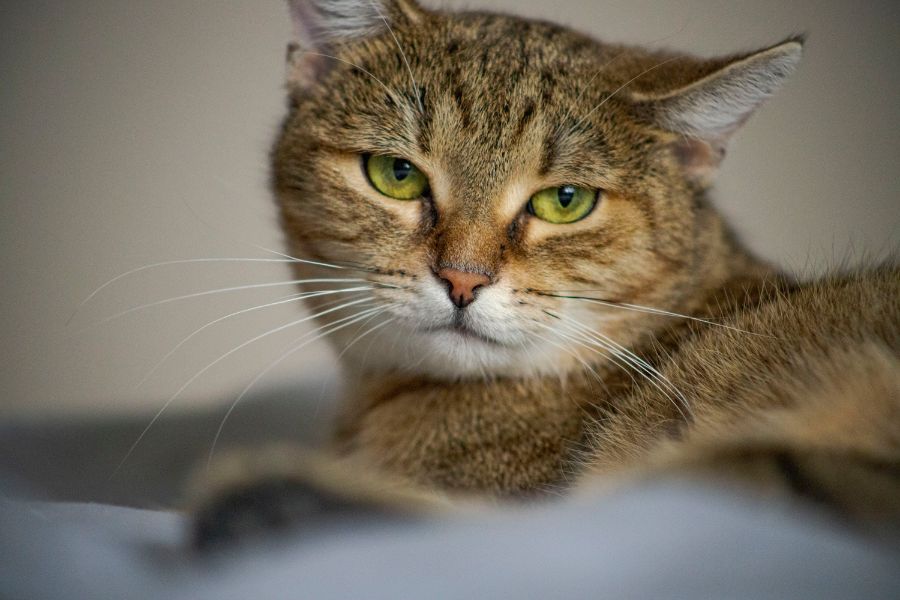
You tell your cat no, and they stare at you. They blink slowly, rub against your leg, and stare again. Suddenly, your firm no becomes, well, maybe just this once.
Cats are phenomenal negotiators because they understand something crucial about humans. We’re deeply uncomfortable with silence and stillness. When your cat simply sits and stares at you, the psychological pressure builds until you crack.
They create social pressure through sustained eye contact, and they’re betting that you’ll break before they do. You will. You always do. And they know it.
The moment you blink first or look away, you’ve lost the negotiation. Your cat has successfully used silence and patience to get what they wanted, which is usually some of whatever you’re eating.

7. The Boundary Testing System
Cats are constantly running experiments to see what they can get away with. They’ll try something once, and if you don’t stop them, they’ll do it again. If you stop them inconsistently, they’ll keep trying because the occasional success is worth the risk.
This is why your cat keeps jumping on the counter even though you’ve told them no a hundred times. They’ve learned that you don’t always follow through, which means the boundary isn’t actually real. It’s a suggestion they can choose to ignore.
According to animal cognition research, cats learn by watching human behavior and testing responses. They’re observing your patterns and adjusting their strategies based on what works. Every time you give in after initially saying no, you’re teaching them that persistence pays off.
8. The Oxytocin Trap
Here’s the real reason all of this manipulation works. When you interact with your cat, your brain releases oxytocin, the same bonding hormone that helps parents attach to their babies. Your cat triggers your nurturing instincts, and once that chemical response kicks in, you’re basically helpless.
This is why you let them get away with everything. The slow blinks, the purring, the head bumps, even their ridiculous demands all trigger positive emotional responses that override your logical decision making.
You cancel plans because your cat looks too comfortable on your lap. You buy furniture based on their preferences. Your entire schedule revolves around their feeding times. These aren’t accidents, but the natural consequences of living with a creature who’s been systematically training you since day one.
The Part Nobody Wants to Admit
The truth is that you’re completely fine with all of this. You know you’re being manipulated, and you’re going to keep falling for it anyway.
Your cat has convinced you that being their personal assistant is actually a privilege. And honestly? They might be right.
So the next time your cat stares you down until you share your dinner, or appears on your keyboard the moment you start working, or demands breakfast at 5 am, just remember this. You’re not giving in because you’re weak, but because your cat spent months, maybe years, training you to respond exactly this way.
They’re tiny, furry behavioral psychologists who’ve been running experiments on you this entire time. And you’re going to keep letting them do it because, at the end of the day, being owned by a cat is way better than the alternative.