The 10 Most Popular Dog Breeds Going Into 2026: What Makes Them America’s Favorites

Every year, dog lovers across America welcome millions of new puppies into their homes, and the breeds they choose tell us so much about what we’re looking for in our four-legged companions. Whether it’s a cuddly couch potato or an adventure buddy who can keep up with your hiking habit, the most popular breeds of 2026 reflect our changing lifestyles and what we value in our canine friends.
For me, I’m a sucker for a border collie, and I’ve had one in my life since I was about 8 years old. Lottie, my current collie, has a personality all of her own. She thinks she’s human, and it’s like having a sulky teenager in the house as she throws full-on strops and tantrums, which I find highly amusing.
When she’s really mad at me, she turns her back on me, making a big song and dance about it, and refuses to look at me, unless I say the magic word, of course. Sadly, collies haven’t made the list of this year’s most popular dog breeds, but there are a couple of surprises in the list.

The 10 Most Popular Dog Breeds of 2026
Let me walk you through the most popular dog breeds that are capturing hearts across the country right now, and more importantly, help you understand if one of these popular pups might be the perfect match for your family.
1. Dachshund: Big Personality in a Small Package

Dachshunds, affectionately known as wiener dogs, have seen a significant boost in popularity, particularly among urban and suburban families looking for a compact dog with tons of character. These little hounds come in two sizes and three coat types, offering variety while maintaining that distinctive long body and short legs.
My son and daughter-in-law have two, and when Freya, my granddaughter, came along, they were absolutely wonderful with her. They play with her, sleep with her, and put up with her constant teasing. Plus, they’re the perfect size while she’s still a toddler.
The main consideration with Dachshunds is their long spine, which makes them vulnerable to back problems. They shouldn’t be allowed to jump from furniture, and keeping them at a healthy weight is crucial for preventing injury.
2. French Bulldog: The Ultimate Apartment Companion
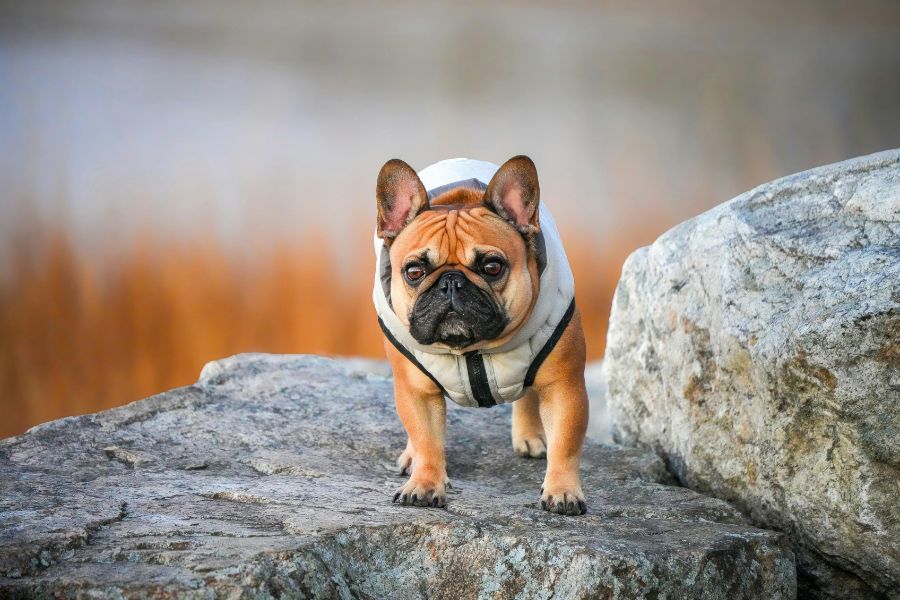
French Bulldogs have absolutely skyrocketed in popularity. These compact little characters pack enormous personality into a small, manageable package. They’re perfect for city dwellers who want a dog but don’t have a backyard or the time to exercise every day.
What makes Frenchies so appealing is their adaptability. They’re happy to lounge around your apartment all day, but they also love being the center of attention at your weekend brunch spot. They’re not yappers like some small breeds, and they get along beautifully with kids, making them ideal for young families in urban settings.
The only catch? Their flat faces mean they struggle in hot weather and can have breathing issues, so they need air conditioning in summer and gentler exercise routines than other breeds.
3. Labrador Retriever: America’s Sweetheart for Good Reason

Labs have been topping popularity charts for decades, and they’re still going strong in 2026. These dogs are genuinely happy to do whatever you’re doing. Going for a run? They’re in. Hanging out by the lake? Perfect. Teaching your kids to throw a ball? That’s their dream afternoon. Labs are incredibly patient with children, which is why you see them in so many family photos.
They’re also smart and eager to please, making training relatively straightforward even for first-time dog owners. The trade-off is that they need significant exercise. A bored Lab can become a destructive Lab, so they’re best suited for active families who can commit to daily walks and playtime.
4. Golden Retriever: The Gentle Giant Everyone Adores

Golden Retrievers are the quintessential family dog, and they’ve earned that reputation through decades of being absolutely wonderful with people of all ages. They seem to genuinely understand human feelings and respond accordingly. This makes them incredible therapy dogs and fantastic companions for families with children who are learning responsibility through pet care.
They’re active dogs who love swimming, hiking, running, playing, and pretty much anything that’s fun. But unlike some high-energy breeds, they also know how to settle down when it’s time to relax. That balance makes them suitable for families with varied activity levels.
The golden coat that gives them their name does require regular grooming, and they shed significantly. If you’re particular about keeping your home hair-free, this might not be the breed for you. They’re also prone to certain health issues as they age, so choosing a reputable breeder matters.
5. German Shepherd: The Loyal Protector
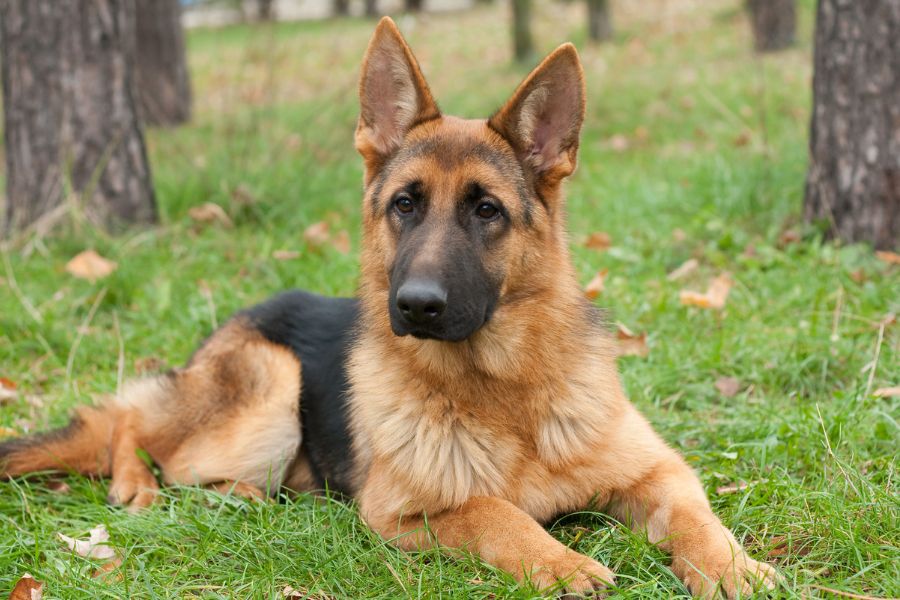
German Shepherds are similar to collies in temperament and continue ranking among the most popular breeds because they’re a loving companion and a natural guardian. They’re intensely loyal to their family and have an instinctive protective nature that makes them excellent watchdogs without aggressive training.
These are working dogs at heart, which means they need both physical exercise and mental stimulation to thrive. They excel in obedience training, agility courses, and even advanced tasks such as search and rescue work. For families who enjoy training and working with their dog, a German Shepherd provides endless opportunities for bonding and achievement.
They’re wonderful with children, often taking on a protective role that’s both touching and practical. However, their size and energy level make them better suited to homes with space rather than small apartments. Early socialization is crucial with German Shepherds to ensure they’re confident and well-adjusted rather than anxious or overly protective.
6. Poodle: Far More Than a Fancy Haircut
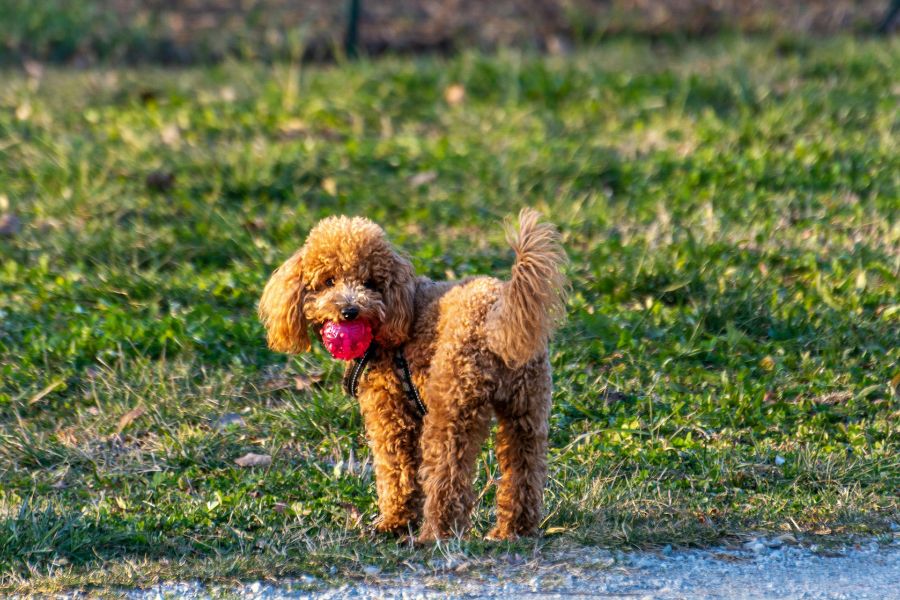
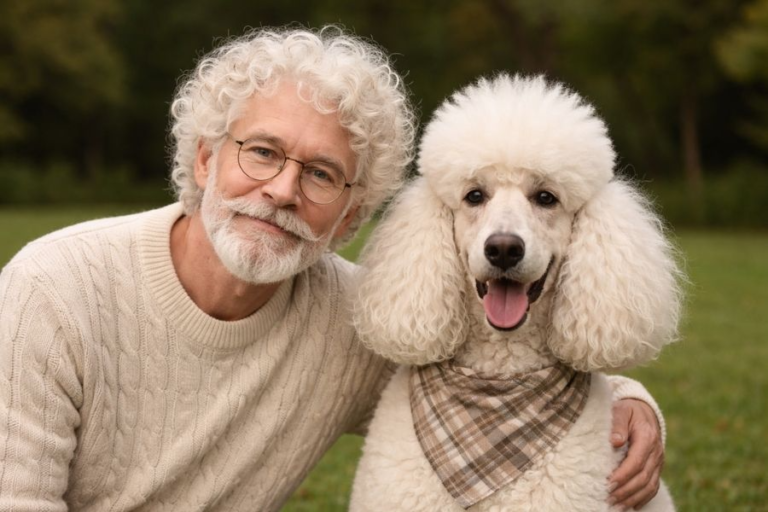
Poodles in all three sizes, standard, miniature, and toy, remain incredibly popular, and it has little to do with their appearance at dog shows. These are incredibly smart dogs, and the biggest draw for many families is their hypoallergenic coat.
While no dog is truly 100% hypoallergenic, Poodles come closer than most breeds because they don’t shed as other dogs do. This makes them ideal for families where someone has allergies but still desperately wants a dog.
They’re also incredibly versatile. Standard Poodles are athletic enough for active families, while Miniature and Toy Poodles work well in smaller living spaces. All sizes are trainable and eager to learn, making them great for people who enjoy teaching their dogs tricks and commands.
7. Bulldog: The Lovable Couch Potato

English Bulldogs have surged in popularity among people who want a dog with personality but without intense exercise demands. These wrinkly, muscular companions are surprisingly gentle and affectionate despite their tough appearance.
Bulldogs are famously good with children because they’re patient, stable, and not easily startled or upset. They don’t require miles of daily walking, making them perfect for less active families or people with mobility limitations. A couple of short walks and some playtime usually satisfy their exercise needs.
Their calm demeanor makes them excellent apartment dogs, and they’re generally quiet unless something truly warrants barking. They’re content to be wherever you are, whether that’s on the couch watching TV or sitting in the shade while you garden.
Like French Bulldogs, their flat faces create health vulnerabilities. They overheat easily and can have breathing difficulties, so they need careful monitoring in warm weather and aren’t suited for highly active outdoor lifestyles.
8. Rottweiler: The Misunderstood Gentle Giant
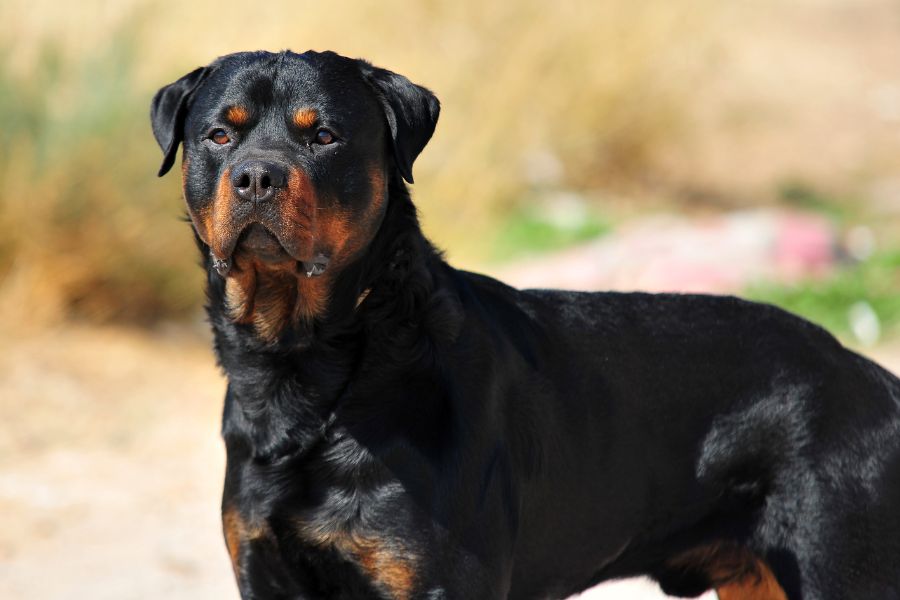
Rottweilers often get a bad reputation, but properly raised Rotties are confident, calm, and devoted companions. Their popularity in 2026 reflects a growing understanding that training and socialization matter far more than breed stereotypes.
These powerful dogs are naturally protective of their families, which appeals to people looking for both companionship and security. But what surprises many people is how gentle they can be with the children in their household. A well-socialized Rottweiler often becomes a patient playmate and self-appointed guardian for kids.
They’re intelligent and trainable, though they can be stubborn if they sense inconsistency in leadership. They do best with experienced dog owners who can provide firm, consistent guidance from puppyhood. They also need regular exercise and mental stimulation to prevent boredom and naughtiness.
9. Beagle: The Merry Little Hound

Beagles have maintained steady popularity because they’re essentially the embodiment of the phrase “happy-go-lucky.” These compact hounds have friendly, outgoing personalities that make them wonderful family pets, especially for households with children.
Beagles were bred to work in packs, which means they generally get along well with other dogs and enjoy being part of the family action. One thing to know about Beagles is that they’re food motivated to an almost comical degree. This makes training easier because treats are incredibly motivating, but it also means you need to be vigilant about keeping food out of reach.
They’re also vocal dogs with a distinctive bay that carries quite a distance. If you have close neighbors or prefer a quieter household, this might be a consideration.
10. German Shorthaired Pointer: The Versatile Athlete

German Shorthaired Pointers round out the top ten, reflecting America’s love affair with active, outdoor lifestyles. These athletic dogs are surging in popularity among families who want a companion for hiking, running, camping, and any adventure that involves being outside.
They’re hunting dogs who can point and retrieve, but they’re also affectionate family companions who bond closely with their people. They’re energetic without being hyperactive, and they settle nicely once they’ve had their exercise. They’re extremely smart and trainable, excelling in obedience, agility, and field trials.
The catch is that they absolutely need significant daily exercise. A GSP without enough physical and mental stimulation will find creative ways to entertain themselves, usually involving things you’d prefer remained unchewed or undug. They’re best suited for active families with yards or easy access to safe spaces where dogs can run.