Celebrities Are Cloning Their Pets Proving Money Can Buy Anything, the Real Question Is, Should It Be Allowed?

The thought of losing my dog is one I can’t bear to think about, but it will happen as it does to us all sooner or later. There’s no denying their absence leaves as much of a hole in your life as when someone you love dies. They’re part of the family and a big one at that.
But does that mean we should be cloning our pets? Is that taking things a step too far in this all or nothing world we live in? Don’t get me wrong, I’d love to be able to bring all my pets back to life, but that doesn’t mean it’s the right thing to do.
Pet cloning has become big business since Dolly the sheep made headlines back in 1997, and many celebrities are cloning their pets. Personally, the idea makes me feel a bit queasy. But more importantly, the reality behind those lab-created puppies and kittens is far more complicated than most people realize.

Celebrity Pet Cloning Is All the Rage
Everyone from Tom Brady to Barbara Streisand seems to have done it. Celebrity is as celebrity does, as Gilderoy Lockhart said in Harry Potter and the Chamber of Secrets. I’ve never completely understood that line, but I think it means celebrities get to do what they want. Who knows, but it seemed very apt.
When you’ve got that kind of money, and you’re facing the loss of a pet you adore, I suppose the option becomes tempting. Your dog passes away, but you’ve saved some of their genetic material. A few months later, a puppy arrives that’s genetically identical to the pet you lost. Problem solved, right?
Except it’s not that simple. Not even close.
What You’re Actually Getting When You Clone Your Pet
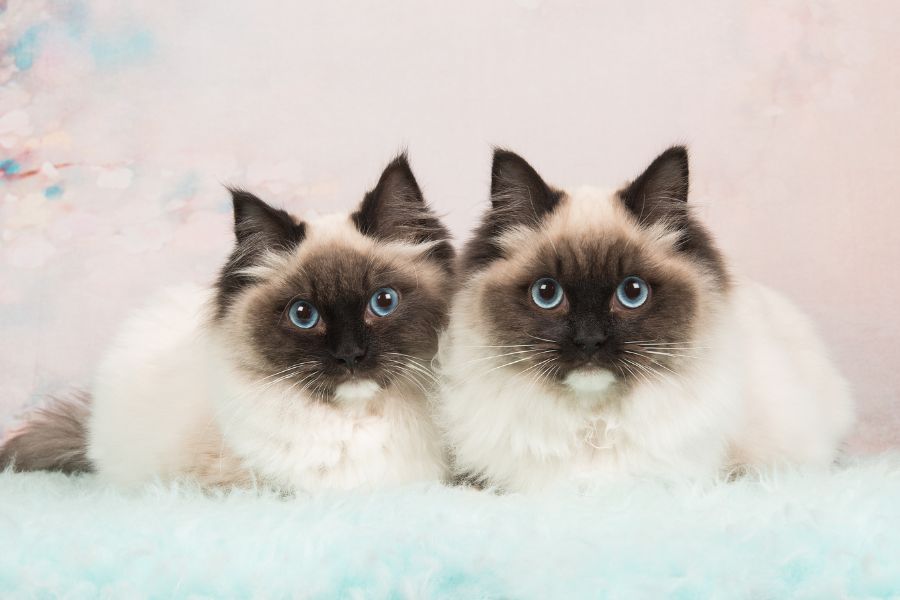
A cloned pet gives you identical DNA, but that’s where the similarities end. Think about identical twins for a second. Same genetics, completely different people. One might be shy while the other is the life of the party. One loves reading while the other is all about sports. They look alike, but they’re fundamentally different individuals.
Your dog works the same way. Sure, genetics play a role in temperament and appearance, but so much of what makes them who they are comes from their experiences. How they were raised, what they learned as puppies, the bond they built with you over time, none of that transfers to a clone.
The first cloned cat proved this point. CC was supposed to be an exact copy of a calico cat named Rainbow. The clone came out with completely different coloring because of how genes express themselves. Even looks aren’t guaranteed to match.
So what you’re really getting is a genetic sibling of your pet, not your actual pet brought back to life. That’s a massive difference.
How Pet Cloning Actually Works
The scientific name for this process is somatic cell nuclear transfer. Scientists take a cell from your pet, extract the DNA-containing nucleus, and pop it into an egg cell that’s had its own nucleus removed. Under the right conditions, this creates an embryo that gets implanted into a surrogate mother who carries it to term.
Sounds straightforward enough, but the success rate is only about 16 percent. That means for every puppy or kitten successfully born, there were multiple failed attempts. Multiple embryos that didn’t develop. Multiple pregnancies that ended in loss.
Scientists have been working on this since the 1960s, when they first cloned an African clawed frog. They’ve successfully cloned mice, ferrets, sheep, horses, cattle, dogs, and cats. But success doesn’t mean it’s without problems.
The Price Tag That Makes Your Eyes Water
Let’s talk money. Pet cloning costs upwards of $50,000. Fifty thousand dollars for a puppy that might not even act like your original dog.
I don’t know about you, but I can think of about a million better ways to spend that kind of money. You could help dozens of shelter animals find homes. You could fund veterinary care for families who can’t afford treatment for their pets. You could support research into helping dogs live longer, healthier lives naturally.
With shelter dogs and cats desperately needing homes, dropping fifty grand on recreating one specific pet feels hard to justify. But the financial cost isn’t even the worst part.
The Animals Who Pay the Real Price
The surrogate mothers used in pet cloning go through procedures they never consented to. They’re given hormone treatments, undergo surgery to harvest eggs, and carry pregnancies that often end badly.
Research shows that roughly 48 percent of cloned piglets don’t survive their first month. Birth defects, pregnancy complications, and stillbirths happen frequently enough that multiple surrogates are needed for every successful clone.
These dogs and cats become tools in someone else’s grief journey. They’re subjected to invasive medical procedures and the physical strain of carrying pregnancies that nature never intended, all because humans want to recreate pets they’ve lost.
Health Problems Nobody Warns You About
Even when cloning works, and you get a healthy-looking puppy, problems can show up later.
Studies on cloned cattle found musculoskeletal issues like lameness and tendon problems. Some cloned animals showed signs of aging faster than normal, though newer research suggests this might not always be the case. The truth is, we’re still figuring out the long-term health consequences because pet cloning is relatively new territory.
Here’s the kicker. If your original dog had genetic health problems, hip dysplasia, progressive retinal atrophy, or heart conditions, their clone inherits those same risks. You’re not getting a healthier version. You’re getting the exact same genetic package, including whatever health issues shortened your original pet’s life.
You could be setting up a new dog to suffer through the same problems that broke your heart the first time around.
What Veterinary Experts Actually Think
The American Veterinary Medical Association questions whether this technology benefits animals at all, given the welfare concerns. They emphasize that animal cloning remains experimental with significant welfare issues for both donor animals and surrogates.
The perspective that hits home for me is this: pet cloning often comes from our human inability to handle loss. Grief hurts because love runs deep. Trying to shortcut that grief by recreating our pets doesn’t honor what made them special. It’s trying to replicate something that was never meant to be replicated.
The Questions We Should Be Asking
Beyond the practical problems, pet cloning raises ethical questions that don’t have easy answers.
Your pet can’t consent to having their genetic material harvested and used. If you’re taking tissue samples from a living animal for potential future cloning, you’re putting them through procedures they don’t understand for purposes that might never happen. If you’re doing it after death, you’re making that choice without their input.
The surrogate animals definitely can’t consent. They become vessels for human grief, subjected to medical procedures and pregnancy risks because someone wants to recreate a pet they lost.
And what message does cloning send? Are our pets valuable because of who they uniquely are, or because of their DNA? When we clone them, are we saying what made them special was their genetic code rather than the years of love and experiences we shared?
I don’t have all the answers to these questions, but they’re worth thinking about before making a decision this big.
Better Ways to Handle Pet Loss
So if cloning isn’t the answer, what do we do with the crushing grief that comes from losing a pet?
First, make every single moment count while they’re here. Take the extra walk even when you’re tired. Play their favorite game. Take way too many photos. These everyday moments become the memories you’ll treasure later.
Research from the University of Lincoln shows that giving dogs enriching experiences, proper vet care, and strong bonds with us helps them live longer, healthier lives. We have way more control over our pets’ well-being through daily choices than through any fancy technology after they’re gone.
When grief arrives, feel it. Really feel it. The depth of your grief reflects the depth of your love. There’s no shortcut through it, and trying to bypass it with a genetic copy doesn’t honor the relationship you had.
Think about memorial options that celebrate your specific pet. Plant a tree in their memory. Create a photo album of your life together. Commission artwork from your favorite photo. These tributes acknowledge that this particular animal was irreplaceable, which is exactly why losing them hurts so much.
And when you’re ready, consider opening your heart to another pet. Not as a replacement, because that’s impossible, but as a new chapter. Shelters are overflowing with dogs and cats who desperately need families. That $50,000 could transform dozens of lives instead of attempting to recreate one.
My Take on All This
Pet cloning sits at this weird intersection of grief, money, and technology. I get the impulse completely. When you’re facing the loss of a pet who means everything to you, the promise of getting them back sounds like the answer to your prayers.
But here’s what I’ve learned. Cloning offers false hope. It promises to return something that’s actually gone forever, not because the science isn’t good enough, but because what made your pet special can’t be captured in DNA.
Your dog is special because of your life together. The cuddles, the daily routines,the way they understand you better than most people do. Those things live in your shared history, not in a laboratory.
Instead of trying to recreate what’s gone, treasure what you have right now. Love your pets fiercely. Photograph them constantly. Forgive the chewed shoes and accidents. Make their lives as wonderful as they make yours.
That feels right to me. That feels like the kind of legacy our pets would actually want.