Holiday Horrors: How Christmas Can Be Dangerous For Your Dog and a Guide to Help You Navigate It

When my border collie, Lottie, was a puppy, I walked into my living room at Christmas to find her systematically unwrapping presents under the tree. She’d already consumed half a box of chocolates meant for my neighbor, the cheese platter on the table was on the floor and pretty much gone, and there was a trail of bauble destruction around the tree. My heart stopped.
That emergency vet visit cost me a small fortune and taught me a massive lesson. The holidays, as magical as they are for us, can be genuinely dangerous for our dogs. Between the decorations, the food, the visitors, and the complete disruption of routine, our homes transform into obstacle courses filled with potential hazards.
So if you’re gearing up for the holiday season and want to keep your four-legged family member safe, this guide will walk you through everything you need to know. Christmas is dangerous for your dog without taking the right precautions. When our dogs feel safe and healthy, we can actually enjoy the festivities instead of worrying.
No. 1 The Food
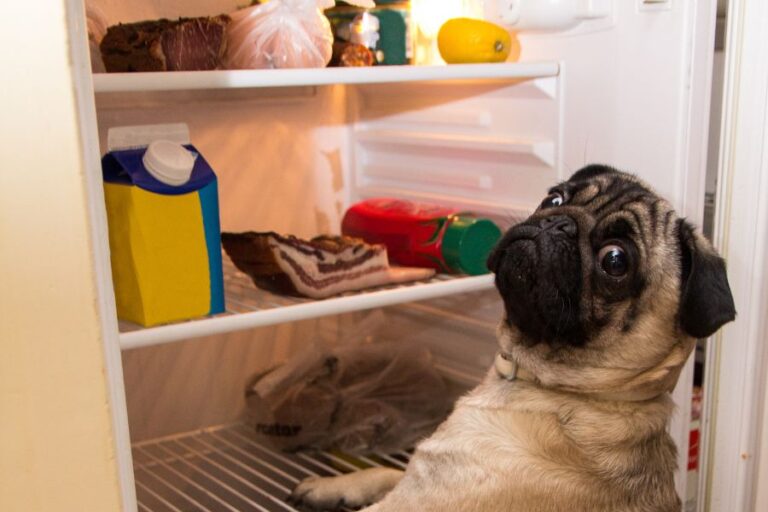
Here’s what nobody tells you about holiday meals: almost everything on your table could make your dog seriously ill. I’m not trying to be dramatic, it’s just the truth.
The biggest culprit? Fatty foods. That rich gravy you poured over the turkey and those butter-laden mashed potatoes are holiday treats for us. For dogs, they’re a direct path to pancreatitis.
Pancreatitis is an inflammation of the pancreas, and it’s about as painful as it sounds. Dogs suffering from it will vomit repeatedly, develop diarrhea, lose their appetite completely, and show obvious signs of abdominal pain. In severe cases, they need hospitalization with IV fluids and pain management. It’s not something you want your dog experiencing on Christmas Day.
The problem is that our guests don’t always understand this. Before you know it, your dog has consumed way more rich food than their system can handle.
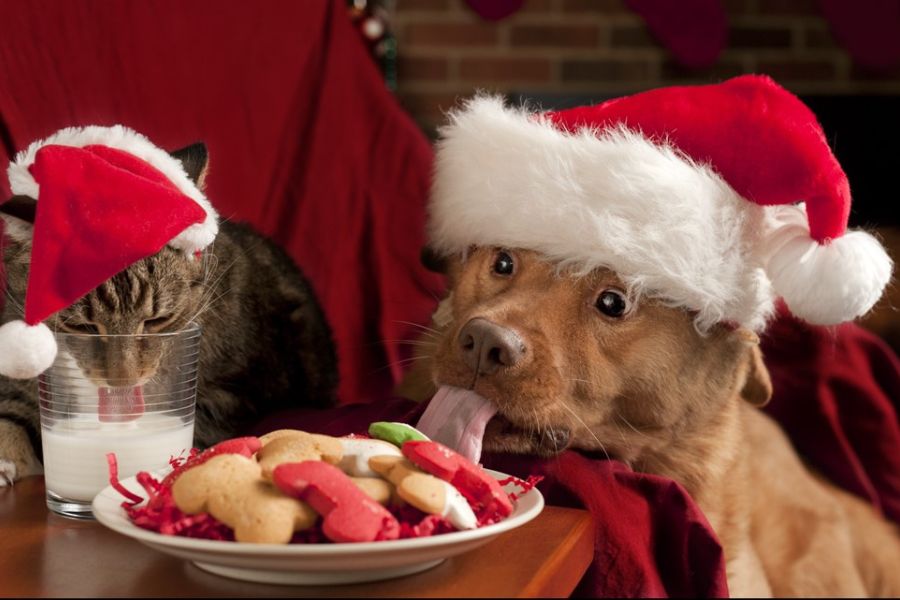
Then there are the outright toxic foods. Chocolate is the one most people know about, but the danger varies depending on the type. Dark chocolate and baking chocolate contain much higher levels of theobromine (the toxic component) than milk chocolate. Even small amounts can cause vomiting, diarrhea, rapid heart rate, and seizures in dogs.
Xylitol is another nightmare. This artificial sweetener shows up in sugar-free cookies, candy, baked goods, and even some peanut butters. It causes a rapid drop in your dog’s blood sugar, leading to weakness, staggering, collapse, and seizures. In larger amounts, it can cause liver failure.
Onions, garlic, and chives might seem harmless, but they destroy your dog’s red blood cells, potentially causing anemia. That means your holiday stuffing, those garlic mashed potatoes, and even some gravies are off-limits. The same goes for grapes and raisins, which are often baked into fruitcakes or holiday cookies. These can cause sudden kidney failure in dogs, and we still don’t fully understand why.
Alcohol deserves its own mention because dogs metabolize it very differently from the way humans do. Even small amounts can cause dangerous drops in blood sugar, blood pressure, and body temperature. An unattended glass of eggnog or mulled wine left within reach could put your dog in serious danger.
And then there are bones. Everyone thinks dogs love bones, and they do, but cooked bones are incredibly dangerous. They splinter easily, causing choking, broken teeth, mouth injuries, or tears in the digestive tract. Raw bones carry their own risks, including bacteria and potential blockages.
Before guests arrive, have a conversation about not feeding your dog from the table. Designate one person as the “pet feeding monitor” who keeps an eye on what’s happening during meals.
No. 2 The Decorations
The first time I put up a Christmas tree with Lottie in the house, I naively thought she’d leave it alone; she didn’t. Instead, she viewed it as an interactive toy specifically designed for her entertainment and amusement. It was carnage.
Trees pose multiple hazards, starting with the tipping risk. Cats love to climb them, and dogs, especially puppies, can knock them over while investigating ornaments or trying to drink the water at the base. Securing your tree to the wall or ceiling with fishing line takes five minutes and could prevent a genuine disaster.
Speaking of tree water, that’s more dangerous than most people realize. If you’ve added preservatives or fertilizers to keep your tree fresh, your dog is essentially drinking a bowl of chemicals when they take a sip. Even without additives, that stagnant water becomes a breeding ground for bacteria that can cause stomach upset, vomiting, and diarrhea.
The pine needles themselves, whether from real or artificial trees, can irritate your dog’s mouth and stomach. If swallowed, they’re sharp enough to puncture intestines in rare cases.
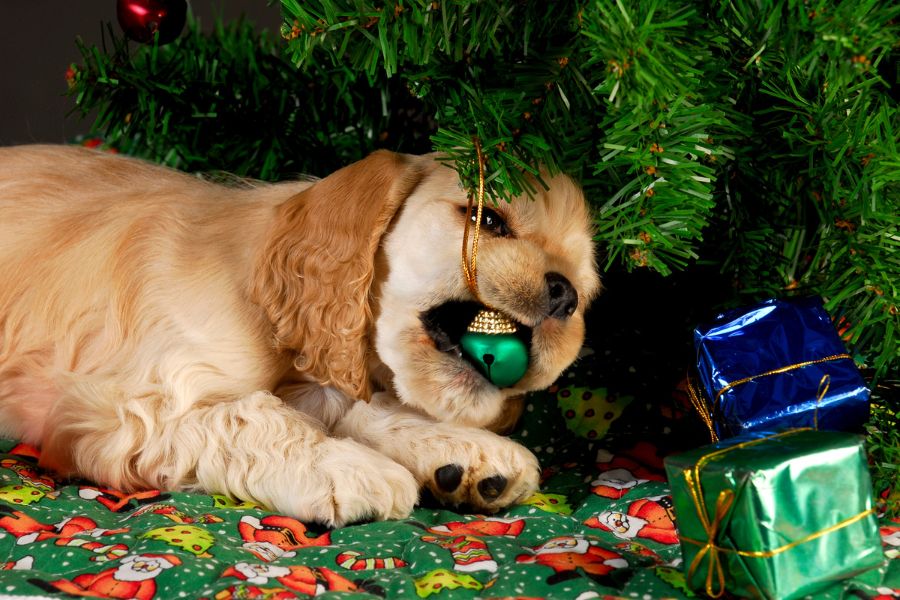
Then we have ornaments. Glass ornaments are obvious hazards because they shatter, creating sharp pieces that can cut your dog’s mouth or paws. But even non-breakable ornaments can become choking hazards or cause intestinal blockages if swallowed. Small decorations that dangle at dog-eye-level are particularly tempting.
Tinsel is one of the most dangerous decorations you can have with pets in the house. Cats especially love the shiny, stringy nature of tinsel, but dogs aren’t immune to its appeal. When swallowed, tinsel can wrap around your dog’s intestines, cutting off the blood supply and causing what’s called a linear foreign body. This requires emergency surgery and can be fatal if not caught quickly.
Electrical cords are everywhere during the holidays. Strings of lights, animated decorations, illuminated outdoor displays. Curious dogs, especially puppies, might chew on these cords, resulting in burns to the mouth, abnormal heart rhythms, or worse. The safest approach is running cords behind furniture or using cord covers to make them inaccessible.
Here’s one hazard I never would have thought of until my vet mentioned it: snow globes. Many contain ethylene glycol, the same chemical used in antifreeze, as the liquid that makes the “snow” swirl. If a snow globe breaks, the sweet smell attracts dogs to taste it. Less than a teaspoon can be lethal to cats, and not much more will kill a dog.
The key with decorations is thinking from your dog’s perspective. Get down on their level, literally, and look around. What’s within reach? What looks chewable, throwable, or edible? Adjust accordingly, even if it means your décor isn’t quite as Instagram-perfect as you’d planned.
No. 3 Plants and Wreaths
Holiday plants are everywhere this time of year, brightening up homes with seasonal color. Unfortunately, several of these traditional plants can make your dog very sick.
Let’s start with the most dangerous: lilies. If you have cats, lilies are an absolute no-go. Even tiny amounts, a nibble of a petal, a lick of pollen, can cause complete kidney failure. Dogs are less sensitive to lilies than cats, but they can still experience significant gastrointestinal upset.
Mistletoe and holly both contain compounds that can cause serious problems. Mistletoe can lead to cardiovascular issues and severe gastrointestinal upset. Holly berries and leaves can cause vomiting, diarrhea, and nausea. Neither is likely to be fatal in small amounts, but both will make your dog absolutely miserable.
Amaryllis bulbs are particularly toxic. The bulb itself contains the highest concentration of toxins, but all parts of the plant can cause vomiting, diarrhea, abdominal pain, and tremors. If your dog digs up and chews an amaryllis bulb, that’s an emergency vet visit.
Now, poinsettias. Here’s where I need to clear up some misinformation. Poinsettias have a terrible reputation, and many people believe they’re highly toxic to pets. The truth is more nuanced. Poinsettias can cause mouth and stomach irritation if eaten, leading to drooling, vomiting, and diarrhea. But they’re not nearly as dangerous as their reputation suggests.
That said, “not as dangerous as people think” doesn’t mean “safe to eat.” If your dog munches on poinsettia leaves, remove their food and water for a couple of hours to let their stomach settle, then monitor them closely. Most dogs recover without veterinary intervention, but call your vet if symptoms persist or worsen.
The simplest solution with holiday plants is choosing artificial alternatives. Faux poinsettias look just as festive without any risk. If you prefer real plants, consider hanging planters or placing plants on high shelves where your dog can’t reach them.
No. 4 Holiday Chaos
This is the part of holiday pet safety that people often overlook, and honestly, it might be the most important section in this entire article.
We think about physical dangers, the foods, the decorations, the plants. But we forget that the holidays completely disrupt our dogs’ lives in ways that genuinely stress them out.
Think about it from your dog’s perspective. Their routine, the thing that makes them feel safe and secure, suddenly evaporates. You’re feeding them at different times because you’re busy cooking. Their walk schedule is erratic because you’re running errands or hosting guests. Strange people are coming into their territory, bringing unfamiliar smells and sounds.
The house looks different. Furniture has been moved to make room for a tree or guests. There are boxes and bags everywhere. Unfamiliar decorations might seem threatening. The normal safe spaces might not be accessible anymore.
Dogs thrive on predictability. When that predictability vanishes, even the most confident dog can become anxious.
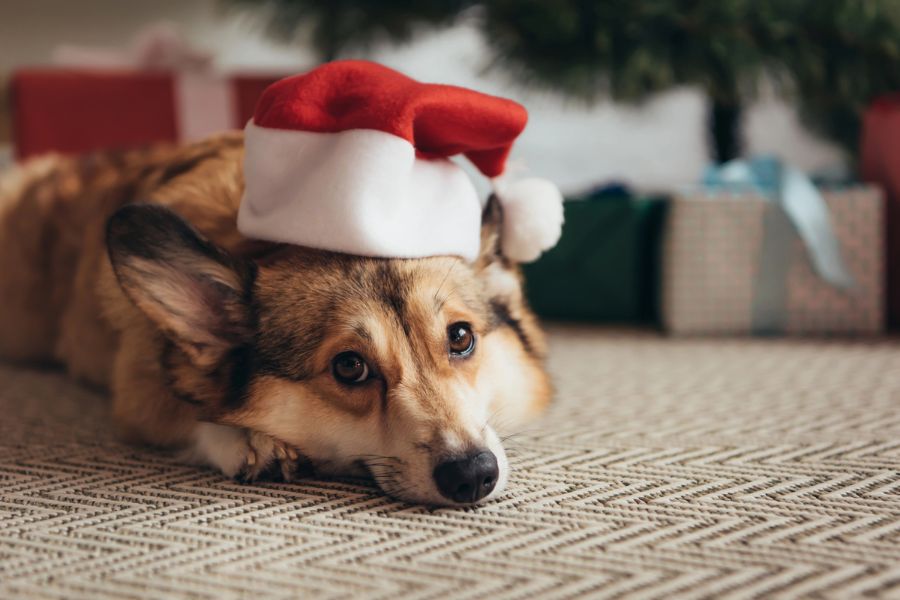
The signs of stress in dogs aren’t always obvious. Sure, some dogs will pace, pant excessively, whine, or bark. But others show more subtle signals. Yawning when they’re not tired. Licking their lips repeatedly. Avoiding eye contact. Hiding. Changes in appetite or sleep patterns.
There’s also something called “wind-up” anxiety, where stress escalates if it’s not addressed early. Your dog might handle the first hour of a party reasonably well, but by hour three, they’re completely overwhelmed, and their behavior deteriorates.
During the holidays, we’re stressed too. We’re worried about cooking the perfect meal, managing family dynamics, staying on budget, and getting everything done. Dogs pick up on all of that tension and mirror it right back to us.
Lottie becomes noticeably more anxious when I’m rushing around trying to prepare for guests. She follows me more closely, seems less settled, and reacts more strongly to sounds like the doorbell. It’s not a coincidence. She’s reading my stress levels and responding accordingly.
The solution starts with creating a safe space for your dog. This should be a quiet room away from the main activity, equipped with their bed, favorite toys, water, and maybe an item of your clothing that smells like you. White noise from a fan, TV, or radio can help muffle the sounds of the party happening elsewhere in the house.
Some dogs will retreat to this space on their own when they need a break. Others benefit from being confined there during the peak chaos, not as punishment, but as protection from overstimulation.
Exercise is another crucial piece. A tired dog is a calmer dog. Before guests arrive or festivities begin, take your dog for a long walk or play session. Burn off that excess energy so they’re more likely to settle peacefully while things are busy.
Try to maintain as much routine as possible, even when your schedule is chaotic. Feed your dog at their normal times. Keep their walk schedule consistent. Maintain their usual bedtime routine. These anchors of normalcy help your dog feel more secure amid all the change.
Watch for escape artists. Doors opening constantly during gatherings create opportunities for anxious dogs to bolt. Guests who aren’t familiar with your dog might not be vigilant about closing doors quickly. Consider using baby gates to create a buffer zone or keep your dog in a secure area during the highest-traffic periods.
For dogs with severe anxiety, natural supplements or calming aids might help. Products containing ingredients like chamomile, valerian root, or CBD can take the edge off without sedating your dog. Your vet might also recommend short-term anti-anxiety medication for particularly stressful events.
The key is recognizing that your dog’s emotional well-being during the holidays is just as important as their physical safety. A stressed dog is more likely to engage in problematic behaviors, have accidents in the house, or even become snappy with guests or family members.
No. 5 The Weather
The holidays coincide with winter, and that season brings its own set of hazards for our dogs.
Antifreeze is the biggest danger because dogs are attracted to its sweet taste. Ethylene glycol, the active ingredient in traditional antifreeze, causes rapid kidney failure. By the time symptoms appear, it’s often too late.
If you see antifreeze spilled in your driveway or garage, clean it up immediately and thoroughly. Better yet, switch to pet-safe antifreeze products that use propylene glycol instead. These are still not meant for consumption, but they’re far less toxic if your dog does ingest a small amount.
The same chemical shows up in other places, too. We already talked about snow globes. It’s also used in some photographic developing solutions, as brake fluid, and in hydraulic fluids. Any time you’re using products in your garage or driveway during winter, be conscious of what could spill and whether your dog has access to that area.
Ice melt and rock salt create problems, too. These products can cause severe irritation to your dog’s paw pads. Dogs might lick their paws after walking on treated surfaces, ingesting the chemicals and potentially causing electrolyte imbalances or gastrointestinal upset.
Use pet-safe ice melt products on your own property. When walking your dog in areas where others might have used traditional salt or chemicals, consider using dog booties to protect their paws. After winter walks, wipe down their paws with a damp cloth to remove any residue before they have a chance to lick it off.
Not all dogs tolerate cold equally. Short-coated breeds like greyhounds, whippets, and Chihuahuas feel the cold much more acutely than thick-coated breeds. Senior dogs and those with health conditions like arthritis also struggle more with temperature regulation.
Speaking of frostbite, it’s a real risk for dogs during extended time outdoors in freezing temperatures. Ears, tails, and paw pads are most vulnerable. Signs include pale or gray skin, coldness to the touch, pain when the area is handled, and blisters or skin ulcers as the tissue thaws.
Even Lottie, with her thick border collie coat, has limits on cold tolerance. When temperatures drop significantly, I limit our outdoor time and watch for signs that she’s uncomfortable, such as repeatedly lifting her paws off the ground or seeking shelter.
When to Seek Help
Before the holiday chaos begins, locate your nearest 24-hour emergency veterinary clinic. Save the number in your phone. Know the route to get there. In an emergency, you don’t want to be googling directions while your dog is in distress.
Also, save the number for Pet Poison Control. In the US, the ASPCA Animal Poison Control Center is available 24/7 at (888) 426-4435. They can help you determine whether what your dog ate requires emergency treatment or can be managed at home.
Making It Through the Season
I know this article has probably felt a bit overwhelming. Reading through this list of potential dangers might make you want to skip the holidays entirely and just hibernate with your dog until January. But here’s the thing. These hazards are real, but they’re also mostly preventable with some planning and vigilance.
Start by doing a “pet safety sweep” of your home before the holidays begin. Get down to your dog’s eye level and look for potential hazards. Secure anything dangerous. Create your dog’s safe space before guests arrive.
Have conversations with family members and guests about not feeding your dog from the table. It might feel awkward, but it’s much less awkward than explaining why you’re leaving Christmas dinner early for an emergency vet visit.
Keep your dog’s routine as consistent as possible. Their predictable schedule is their emotional anchor during all this chaos. Wake up at the same time. Feed them at the same time. Walk them at the same time. These small consistencies matter more than you might think.
Watch your dog’s body language. If they seem stressed or overwhelmed, give them a break. Let them retreat to their safe space. Don’t force interactions with guests who make them uncomfortable.
Most importantly, remember that your dog’s safety and wellbeing are more important than perfect holiday celebrations. If keeping your dog safe means your décor is a bit less elaborate, or your tree isn’t quite as full of ornaments, or you say no to sharing table scraps with well-meaning relatives, that’s absolutely okay.
The holidays can be wonderful for you and your dog. They really can. It just takes a bit of planning, a lot of awareness, and the willingness to prioritize your dog’s needs even when it’s inconvenient. When you do that, you create holidays that are genuinely joyful for everyone in your family, including the four-legged members.