7 Things Your Dog Secretly Wishes You Knew About Them (What They Can’t Put Into Words)

If I had a penny for every time I’ve wondered what’s going on inside my dog’s head or what she’s thinking, I’d be a rich woman. What I wouldn’t give for just an hour inside that gorgeous head of hers. Some of the looks she gives me are almost human-like, and I know she’s trying to tell me something.
The question is what? Dogs are clever creatures and find all sorts of ways to communicate with us, but we don’t always see or understand. And wouldn’t it be easier for both if we did.
As much as we like to think of our dogs as being an extension of ourselves and being almost human, they aren’t. And there are many things your dog secretly wishes you knew about them.
7 Things Your Dog Secretly Wishes You Knew About Them
Your dog can’t sit you down for a conversation, but that doesn’t mean they aren’t trying to communicate with you every single day.
They Remember Way More Than You Think
Your dog isn’t living entirely in the moment like we often assume. Research shows dogs have episodic memory, which means they can recall specific events from their past. That time you accidentally stepped on their paw three months ago? They remember. The route you took on that amazing hike last summer? Still stored in their mental filing cabinet.
This means your dog is constantly learning from every interaction with you. When you promise a walk and then forget, they notice. When you come home stressed and ignore their greeting, they file that away too. The good news is they also remember all the wonderful moments, which is why they get so excited when you pull out that special toy or reach for the leash.

Your Mood Affects Them More Than You Realize
Dogs are incredibly tuned into human emotions. They can read our facial expressions, pick up on changes in our voice, and even smell the chemical changes that happen in our bodies when we’re stressed or anxious. If you’ve ever noticed your dog acting differently when you’re having a rough day, that’s not a coincidence.
When you’re calm and happy, they feel secure. When you’re anxious or angry, even if it has nothing to do with them, they absorb that energy and can become stressed themselves. My border collie Lottie becomes noticeably quieter and more clingy when I’m working under a tight deadline, even though I’m not directing any frustration toward her.
They Need Mental Workouts as Much as Physical Ones
Sure, that daily walk is important, but your dog is craving something more. Mental stimulation is just as crucial as physical exercise, and sometimes even more so. A bored dog isn’t just an unhappy dog, they’re often a destructive one.
Think about it from their perspective. Dogs were bred to have jobs, whether that was herding sheep, retrieving birds, or guarding property. Modern pet dogs rarely get to use those instincts, which leaves them feeling unfulfilled. Even 15 minutes of puzzle toys, training new tricks, or scent games can tire out your dog’s brain and leave them more satisfied than an hour long walk where they’re just trudging along beside you.
Your Training Inconsistency Confuses Them
Here’s something dogs really wish we understood. When you let them on the couch on Monday but scold them for it on Tuesday, you’re not teaching them rules. You’re teaching them that you’re unpredictable and confusing. Dogs thrive on consistency because it helps them understand what’s expected.
This goes for everyone in the household too. If one person allows begging at the dinner table while another person says no, your dog doesn’t learn to stop begging. They learn to try their luck with different people. The same applies to commands. If sit means sit unless you’re busy or distracted, your dog learns that commands are optional suggestions rather than actual requests.
They’re Not Trying to Dominate You
Let’s clear something up. When your dog pulls on the leash, jumps on guests, or steals your spot on the couch, they’re not plotting to become the alpha of your household. Modern animal behavior science has thoroughly debunked the dominance theory that was popular for decades.
What your dog actually wants you to know is that these behaviors happen because they work. Pulling gets them to the interesting smell faster. Jumping gets attention from visitors. Taking your warm spot feels comfortable. They’re not scheming to overthrow you, they’re just doing what gets reinforced. Understanding this changes how you approach training, focusing on teaching what you want rather than punishing what you don’t.

Alone Time Is Actually Hard for Them
Dogs are social animals who were domesticated specifically to live alongside humans. When you leave for work, your dog isn’t just hanging out enjoying the quiet. For many dogs, being alone is genuinely stressful, even if they don’t show dramatic signs of separation anxiety.
Your dog wishes you knew that those hours alone can feel eternal from their perspective. They don’t understand that you’ll definitely come back, especially if you’re gone longer than usual. This is why coming home to a dog who acts like you’ve been gone for years even though it’s only been 20 minutes makes perfect sense. To them, any separation requires an enthusiastic reunion.
Building positive associations with alone time through gradual training, leaving engaging toys, and maintaining calm departure routines can help your dog feel more secure when you’re not around.
Their Love Language Might Be Different From Yours
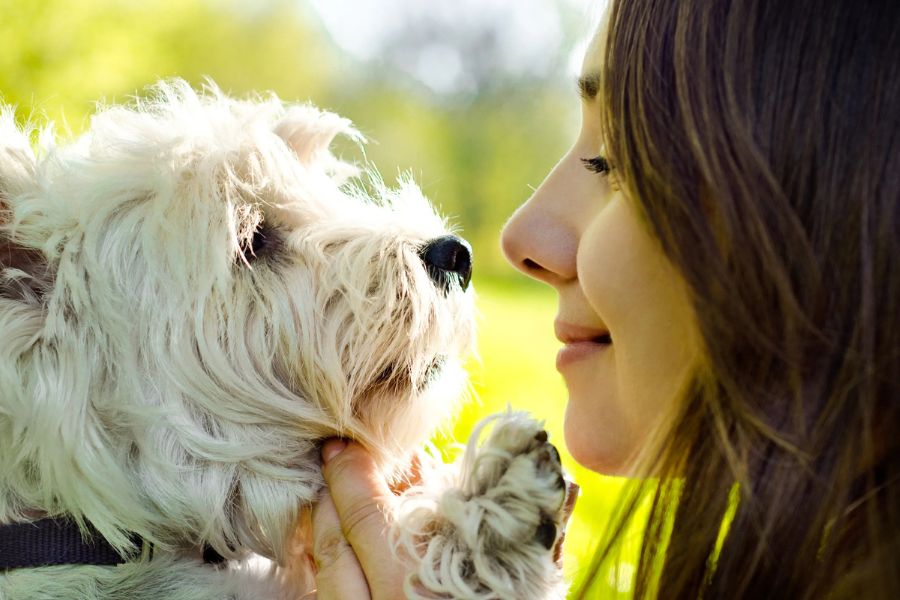
You might show love through hugs and kisses, but your dog might prefer a good game of tug or a satisfying scratch behind the ears. Not all dogs enjoy the same types of affection, and assuming your dog loves what you love can actually cause stress.
Some dogs tolerate hugs because they love you, not because hugs feel good to them. Being wrapped in your arms can actually feel restrictive and uncomfortable for many dogs, even though social media is full of photos suggesting otherwise. Your dog wishes you’d pay attention to what actually makes their tail wag versus what makes them freeze or look away.
Watch how your dog responds to different interactions. Do they lean into certain touches and move away from others? Do they bring you toys or prefer to just be near you? Understanding your individual dog’s preferences for connection helps you show love in ways they actually understand and appreciate.
The beautiful thing about living with dogs is that the relationship keeps evolving as you learn more about each other. Pay attention to the signals your dog sends, stay curious about what motivates their behavior, and remember that behind every action is a dog trying to communicate something important to them.