The 7 Most Common Behavioral Issues In Dogs and What To Do To Stop Them (the 2026 Dog Behavior Guide)

We’ve all been there as pet parents. You come home to find your yard looking like a construction site, or your neighbor texts you (again) about the barking, or your favorite shoes have been turned into confetti. It’s frustrating, exhausting, and sometimes downright embarrassing.
But these behaviors aren’t your dog being purposefully annoying, naughty, or stubborn. They’re usually your pup or dog trying to tell you something. And once you crack that code, fixing the problem becomes so much easier.
If you’ve ever had to train a pup, then you’ll definitely have come across some of these. They’re common behavioral issues in dogs that drive us humans up the wall. So, what can you do to recognize them and, more importantly, stop them?

Digging: When Your Yard Becomes a Minefield
If your backyard looks like it’s been hit by a small earthquake, you’re not alone. Dogs dig for all sorts of reasons, and understanding why your dog is excavating your garden is the first step to stopping it.
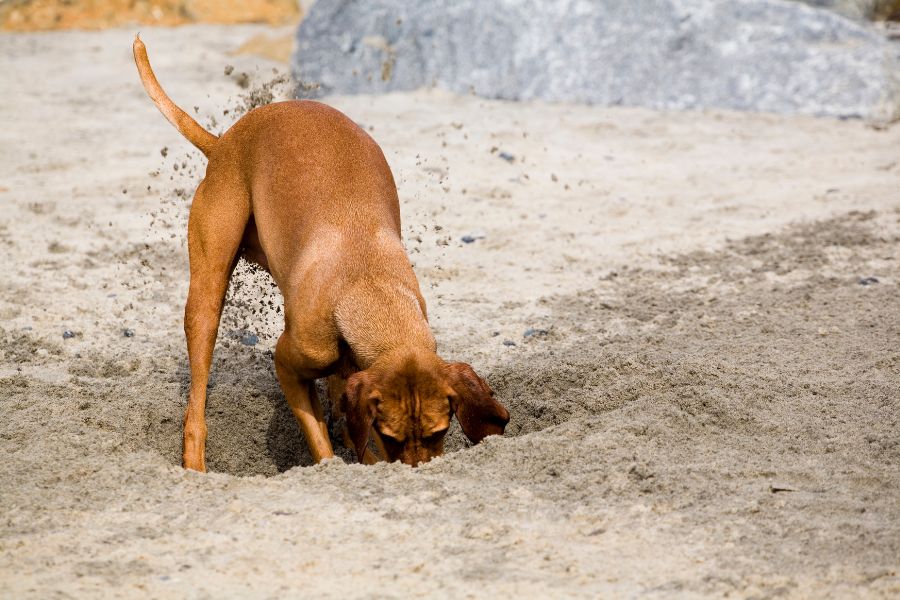
Some dogs dig because they’re bored. Lottie used to create these elaborate hole systems when I first got her, and I quickly realized she wasn’t getting enough mental stimulation. Other dogs dig to create a cool spot to lie down on hot days, or to bury something precious (like a bone).
The solution isn’t to yell at your dog after the fact. They won’t connect your anger to the crime scene from three hours ago. Instead, give them an acceptable digging zone. I set up a sandbox in the corner of my yard and buried some of Lottie’s toys there. When she started digging elsewhere, I’d redirect her to the sandbox and praise her like crazy when she dug there instead.
For dogs who dig because they’re bored, the answer is exercise and enrichment. A tired dog is a well-behaved dog. Add puzzle toys, longer walks, and training sessions to their routine. If your dog is digging for comfort on hot days, make sure they have access to shade and cool water.
Barking: The Neighborhood Nightmare
Excessive barking is probably the number one complaint I hear from frustrated dog owners. And I get it. Nothing tests your relationship with your neighbors quite like a dog who sounds the alarm every time a leaf falls – Lottie is a culprit of this one, too.
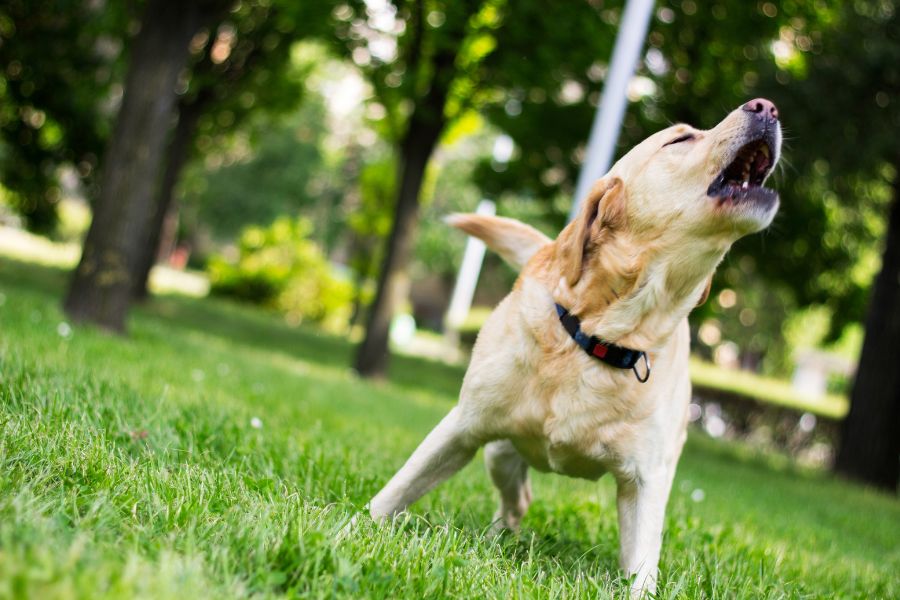
Dogs bark for different reasons: to alert you to danger (real or imagined), to relieve boredom or anxiety, or sometimes just because they’ve learned it gets them attention. The trick is figuring out what’s triggering the behavior.
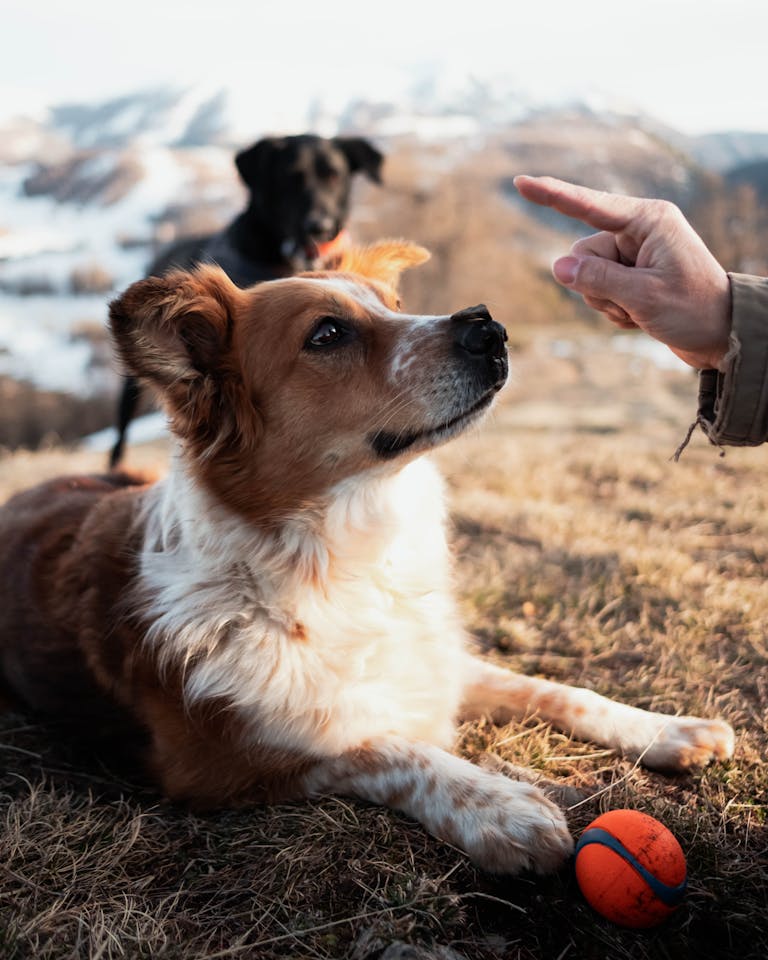
If your dog barks at every person who walks past your house, they’re likely being territorial or protective. You can’t expect them to stop completely because barking is literally how dogs communicate. But you can teach them the “quiet” command. Let them bark a few times, then calmly say “quiet” and reward them the second they stop. It takes patience, but it works.
For boredom barking, the solution is pretty straightforward. More exercise, more mental stimulation, more interactive play. A dog who’s properly tired doesn’t have the energy to bark at shadows all day.
And if your dog barks when you leave? That’s separation anxiety, which we’ll cover in detail later because it deserves its own section.
Chewing: When Everything Becomes a Chew Toy
Puppies chew because their teeth hurt and they need relief. Adult dogs chew because they’re anxious, bored, or because it feels good. Either way, coming home to a destroyed couch cushion is nobody’s idea of a good time.

The secret to stopping destructive chewing is management and redirection. First, puppy-proof your space. Put valuable items out of reach. Close doors to rooms you don’t want your dog accessing unsupervised.
Then, flood your home with appropriate chew toys. Not just one or two, but a variety of textures and types. Rotate them weekly so they stay interesting. When you catch your dog chewing something they shouldn’t, don’t yell. Calmly take it away and immediately replace it with an approved chew toy. Praise them when they take it.
Exercise plays a huge role here, too. A dog who’s had a good run at the park is less likely to channel their energy into your furniture. And for anxious chewers, consider puzzle toys that dispense treats. They redirect the chewing urge while keeping your dog’s brain busy.
Begging: The Sad Eyes That Break Your Heart
This one is entirely our fault as owners. Dogs beg because it works. You gave them a piece of chicken once, and now they’ve learned that sitting by the table with those pitiful eyes sometimes results in delicious rewards.

The only way to stop begging is to stop rewarding it. Everyone in your household needs to be on the same page about this. No exceptions, no “just this once,” no sneaking scraps when you think nobody’s looking.
Teach your dog to go to their bed or a specific spot during mealtimes. Reward them for staying there. If they approach the table, calmly redirect them back to their spot without making eye contact or speaking to them. Attention, even negative attention, reinforces begging behavior.
It’s going to take time. Your dog will probably get worse before they get better because they’re confused about why the old system isn’t working anymore. But stay consistent, and eventually they’ll learn that mealtimes no longer involve them.
And honestly? It’s better for their health anyway. Human food can cause digestive issues and weight gain in dogs. You’re doing them a favor by establishing this boundary.
Jumping Up: The Overly Enthusiastic Greeting
When Lottie was a pup, she was nicknamed, devil dog because she’d literally throw herself at people when they came to the house. I had to keep her on her lead to stop her launching at people and jumping up. It was a real problem.
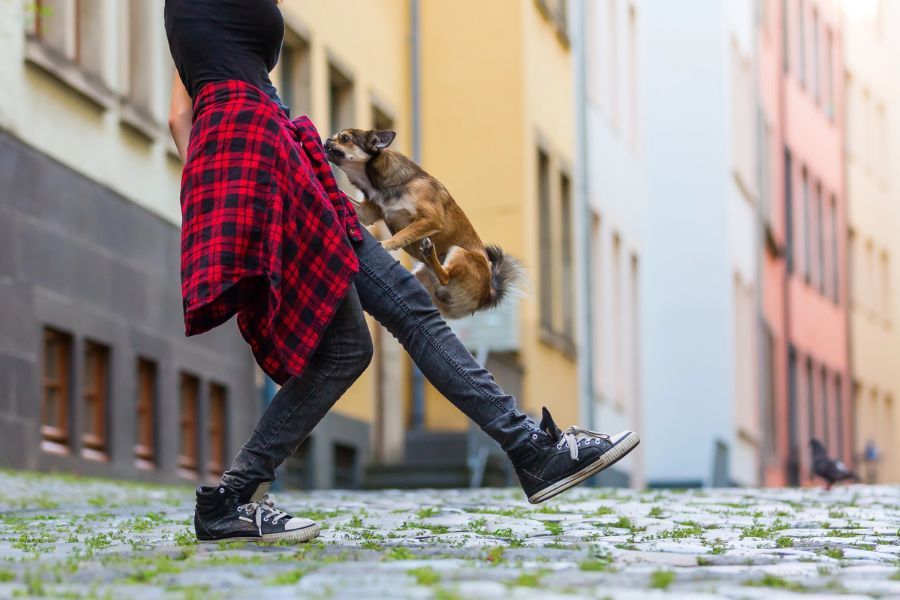
The problem was that not everyone loved Lottie as we did. They didn’t love muddy paw prints on their white jeans or getting knocked over by an overenthusiastic border collie.
Dogs jump up because they want attention and closeness to your face. It’s actually a pretty natural greeting behavior for them. But it’s also dangerous and annoying, especially with larger dogs and for people who are afraid of dogs.
The key is to never reward jumping with attention. When your dog jumps up, turn your back and ignore them completely. No eye contact, no speaking, no pushing them down (that’s still attention). Wait until all four paws are on the ground, then calmly greet them.
This takes serious commitment because you have to enforce it every single time. If you’re consistent 90% of the time but give in when you’re tired or in a hurry, you’re actually making the problem worse. Your dog learns that they just need to be more persistent.
Teach an alternative behavior, like sitting for greetings. When someone approaches, ask your dog to sit before they get attention. Reward heavily when they do. Eventually, sitting becomes their default greeting behavior instead of jumping.
Chasing: The Instinct That Gets Dogs in Trouble
Some dogs have a prey drive built into their DNA. Lottie will spot a squirrel from three blocks away and immediately shift into hunting mode. It’s not something you can eliminate completely, but you can manage it.
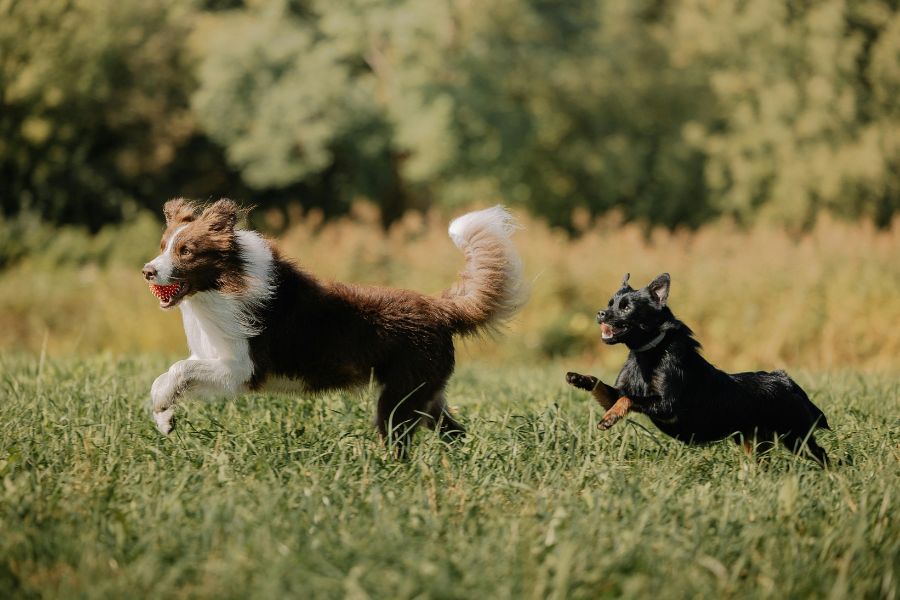
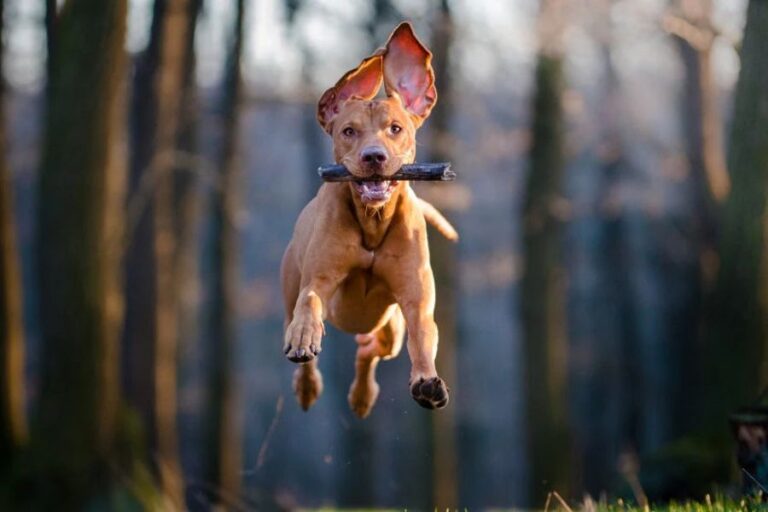
The danger with chasing is that dogs can run into traffic, get lost, or terrify smaller animals and children. Teaching a rock-solid recall command is essential. Start in low-distraction environments and gradually work up to more challenging situations.
Use a long training lead in open areas so your dog can’t practice the unwanted behavior while you’re still teaching the recall. When they start fixating on something they want to chase, call them back and reward generously when they return. High-value treats work best here, like small pieces of chicken.
For some dogs, giving them an appropriate outlet for their chase instinct helps. Flirt poles, fetch games, and lure coursing can satisfy that urge in a controlled way. A dog who’s had a chance to chase something they’re allowed to chase is less likely to bolt after the neighbor’s cat.
Separation Anxiety: When Your Dog Can’t Handle Being Alone
This is the heartbreaker. Dogs with separation anxiety are genuinely distressed when you leave. The barking, destruction, and house soiling that happen when you’re gone are panic responses.

True separation anxiety needs professional help, often from a veterinary behaviorist who can assess whether medication might help alongside behavior modification. But for milder cases of alone-time stress, you can make progress on your own.
Start by making departures and arrivals completely boring. No big emotional goodbyes or excited hellos. Practice leaving for very short periods, like 30 seconds, and gradually build up duration. Give your dog a special toy or treat that they only get when you leave.
Create positive associations with alone time. A frozen Kong stuffed with peanut butter can keep a dog occupied for 30 minutes. Some dogs do better with background noise, like a TV or radio left on.
Exercise before you leave helps tremendously. A physically tired dog is more likely to nap while you’re gone. Mental enrichment matters too. A 20-minute training session can tire a dog out as much as a long walk.
The Bottom Line
The key here is not to give up when things get tough. Dog behavior problems are almost always fixable with patience and consistency. The solutions aren’t complicated or expensive; they just require you to understand what your dog is trying to communicate and to address the root cause rather than just the symptom.
Your dog isn’t trying to ruin your life. They’re just being a dog, and sometimes being a dog means behaviors that don’t fit well into human households. But with the right approach, you can teach them what’s acceptable and what isn’t.
And remember, if you’re struggling with a serious behavioral issue that isn’t improving with your efforts, there’s no shame in calling a professional dog trainer or veterinary behaviorist. Sometimes we all need expert help.