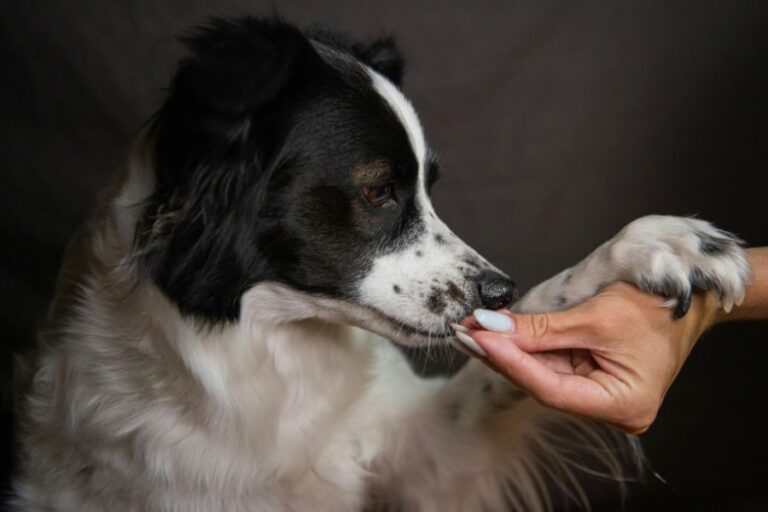
9 Common Things That Frighten Dogs and How To Settle Them When They Come Across These Fears and Phobias

Fear is a normal part of dog behavior. It keeps them safe and helps them navigate the world. There are quite a few common things that frighten dogs. But when fear turns into a full-blown phobia, it affects your dog’s quality of life and your relationship with them.
The difference between fear and a phobia comes down to intensity. Fear is a natural response to something threatening. A phobia is an extreme, irrational reaction that doesn’t match the actual danger level. Phobias typically develop after a single traumatic experience or repeated exposure to something frightening.
For example, Lottie, my border collie, hates thunderstorms, fireworks, and travel in the car. She visibly shakes when it’s time to get in the car, so we keep her travel to a minimum, as it completely stresses her out. The good news is that most dog fears and phobias can be managed or even overcome with the right approach.

9 Common Things That Frighten Dogs
Here are nine common fears dogs experience and what you can do to help them get over them.
1. Being Left Alone

Separation anxiety affects about 20 to 25 percent of dogs. This isn’t your dog being dramatic; they’re experiencing genuine panic because they don’t understand you’re coming back.
Dogs with separation anxiety follow you everywhere when you’re home. They start getting anxious the moment you pick up your keys. Once you leave, they might bark continuously, destroy furniture, or have accidents in the house even though they’re fully housetrained.
The solution is teaching your dog that being alone is safe. Start with separations lasting just seconds. Step into another room, come right back, and reward calm behavior. Gradually increase the time you’re gone.
Give your dog a food puzzle toy or frozen Kong when you leave so they associate your departure with something positive. Keep your comings and goings low-key to avoid building excitement or anxiety.
For severe cases, anti-anxiety medication can help lower your dog’s stress enough that they can actually learn from training. Talk to your vet about whether medication might be right for your dog.
2. Fireworks and Loud Noises

Noise phobias are extremely common, and research suggests they might be inherited. Herding breeds, like my border collie, seem particularly prone, probably because they’re so attuned to their environment.
A dog’s hearing is far more sensitive than yours, and they can’t understand where the sound is coming from or when it will stop.
Create a safe space before the scary sounds start. An interior room, bathroom, or closet where noise is muffled works well. Make it comfortable with blankets and toys, but let your dog choose to go there rather than forcing them.
Counter-conditioning can help. Play recordings of fireworks at very low volume while feeding your dog treats. Gradually increase the volume over many sessions, but only if your dog stays relaxed. If they show fear, you’ve gone too fast.
Stay calm yourself. Dogs pick up on our emotions. If you act worried, you might accidentally reinforce their fear. Act normal and confident instead.
Your vet can prescribe medication for anticipated loud events. This prevents the panic response rather than just sedating your dog.
3. Thunderstorms

Storm phobias are more complex than simple noise fears. Dogs react to barometric pressure changes, darkening skies, the smell of rain, static electricity, and thunder. Lottie starts pacing hours before the first cloud appears.
The challenge is that you can’t control when storms happen or recreate all the sensory elements for training. But you can still help your dog cope.
Use the same safe space approach as with fireworks. Some dogs feel better in bathrooms because the smaller space and fewer windows make them feel secure. The bathtub can help reduce static electricity.
Never punish anxious behavior during storms. Your dog isn’t choosing to be scared. Let them hide if they want. Comfort them if it helps, but don’t overdo it.
Consider an anxiety wrap or thundershirt. The gentle pressure calms some dogs, similar to swaddling a baby.
Work on basic obedience training when there’s no storm happening. If you can redirect their attention with commands during the early stages of fear, you might prevent full panic.
4. Going to the Vet
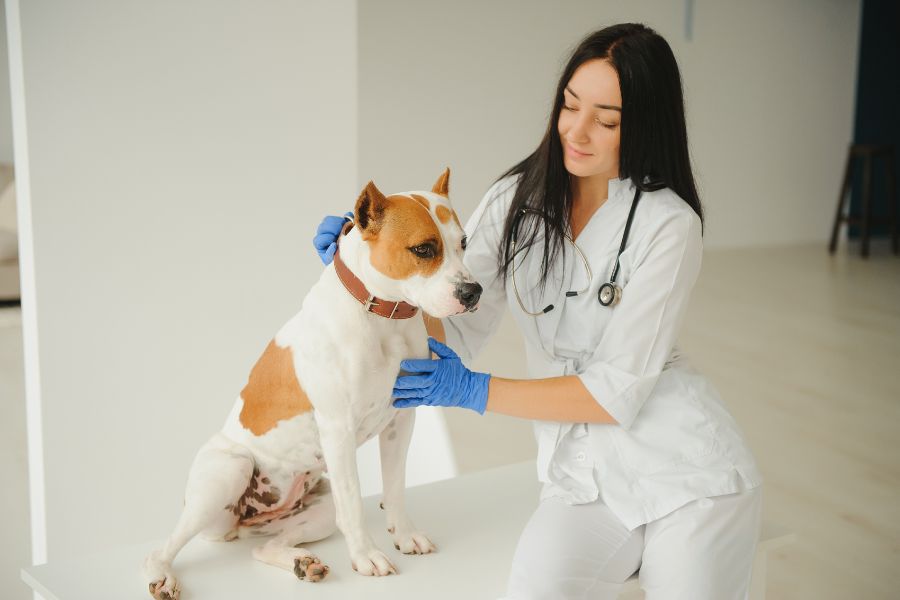
Most dogs find vet visits stressful. They’re in an unfamiliar place that smells like scared animals. Strangers are touching them. Sometimes there’s pain involved.
Make vet visits less scary with practice runs. Drive to the office, walk in, let your dog get treats from the staff, and leave. No exam, just positive experiences. Do this multiple times.
Ask about fear-free practices. More clinics are adopting techniques specifically designed to reduce pet anxiety, like using pheromone sprays or letting dogs stay on the floor instead of the exam table.
Bring high-value treats your dog doesn’t normally get. Feed them constantly throughout the visit to create positive associations.
Stay calm during appointments. Your dog watches you for cues about whether they should worry.
For extreme vet anxiety, medication given before appointments can help break the fear cycle.
5. Young Children
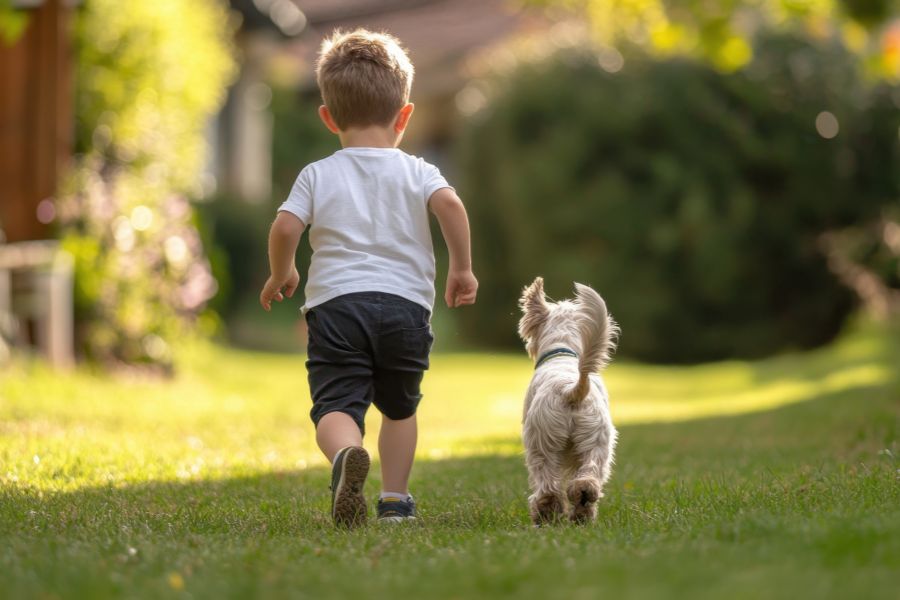
Dogs afraid of children usually have good reason. Children move unpredictably, make loud noises, and often don’t understand gentle interaction. Lottie was terrified when our granddaughter, Freya, came to stay for the first time. Freya wanted to chase her and play, but Lottie hid whenever she saw her coming.
Sometimes the fear develops after one negative experience. A child stepped on their tail or grabbed their ear too hard. Take this fear seriously, as scared dogs can become reactive, putting both the dog and the child at risk. Never force interaction if your dog shows fear.
The safest approach is to manage the environment. If your dog fears children, don’t put them in situations where children will be present. If you need to work on this fear, start by having your dog observe calm children from a distance while you feed treats. The children shouldn’t approach or interact. Let your dog set the pace.
Teach children safe interaction. They should never run at the dog, scream, or try to hug them. Show them how to stand still and let the dog approach if they choose.
6. Being in the Car
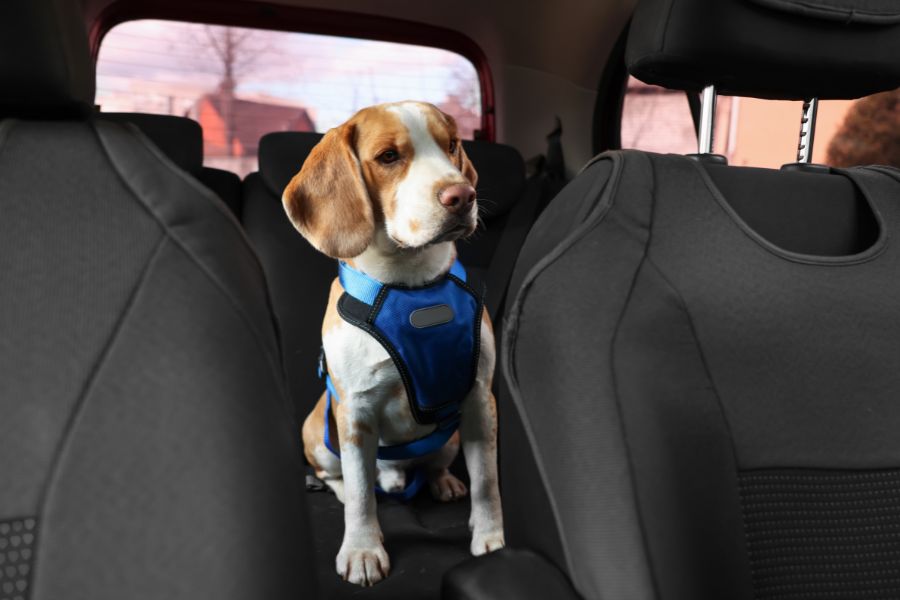
Car fear usually develops because rides always lead somewhere unpleasant, or the dog had a scary experience, like an accident or severe motion sickness. The latter is what Lottie suffers with, and it started the day we got her. She’s always hated the car, and I wonder if it was because she associates it with leaving her mum.
So, how do you overcome the fear of the car? Start by making the car positive without going anywhere. Let your dog explore the parked car, feed them meals in the car, give treats, and play with them.
Once your dog is comfortable in the stationary car, start the engine, but don’t drive. Reward calm behavior and repeat this multiple times.
Take the shortest possible drives to places your dog loves. Drive to the end of the block and back, or go to a fun park. Make sure destinations are positive. We take Lottie to the river as she loves to play in the water, and it’s only a ten minute drive.
For dogs who get carsick, talk to your vet about anti-nausea medication. It’s hard to overcome car fear when your dog feels awful every ride. Also, consider a car seat or secured crate so your dog feels more stable during the ride.
7. Men
Fear of men often stems from inadequate socialization during puppyhood or a traumatic experience. Dogs rescued from abusive situations frequently show this fear.
Men look, sound, smell, and move differently from women. They’re often taller with deeper voices and may move more assertively. If your dog wasn’t exposed to men during their critical socialization period, these differences can be frightening.
Have male friends toss treats toward your dog without making eye contact, approaching, or trying to touch them, and let your dog approach when they’re ready. They should never be forced into interaction.
Once your dog is comfortable with one man, repeat the process with others. Dogs don’t always generalize, so comfort with your brother doesn’t mean comfort with your neighbor.
If a man lives in the home with a fearful dog, have him feed the dog, give treats, and take the dog for walks. Positive experiences need to stack up.
8. The Vacuum Cleaner

From your dog’s perspective, this massive object makes a loud roaring sound, moves unpredictably, and seems to attack the floor. You’re acting normal while this monster invades their space.
Start by keeping the vacuum off in the room while your dog eats or plays. Reward calm behavior near it and let them investigate if they want.
Turn on the vacuum in another room with the door closed while your dog is busy elsewhere. Gradually decrease the distance over many sessions.
When vacuuming with your dog in the same area, give them something amazing to focus on. Start far away and keep sessions short.
Teach your dog to go to a specific spot when you vacuum, like their bed in another room. Make this spot rewarding with special treats they only get during vacuum time.
9. Strangers
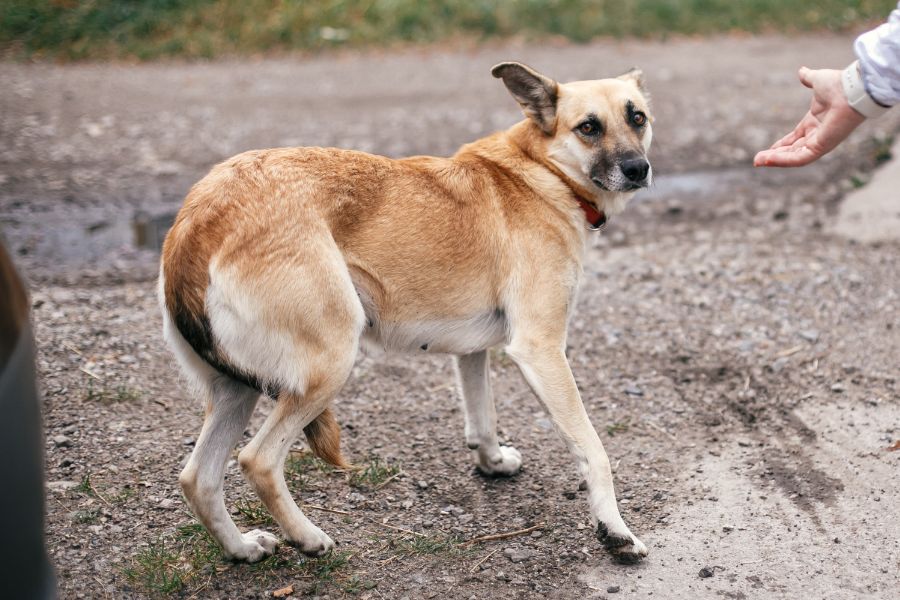
Stranger fear ranges from mild wariness to extreme panic. It often develops when dogs aren’t properly socialized between three and fourteen weeks of age.
These dogs might bark at strangers, hide, refuse to approach new people, or show defensive behaviors. They’re terrified and trying to protect themselves.
Never force your dog to interact with someone they find frightening. Ask strangers to completely ignore your dog with no eye contact, no talking, and no reaching toward them.
Have strangers toss treats near your dog without looking at them. This creates positive associations without the threat of direct interaction.
Work on building confidence through basic training. A dog who knows how to focus on you feels more secure in stressful situations.
Moving Forward
Dog fears rarely resolve on their own. They usually get worse over time if left untreated. But most fears can be significantly improved with patience and consistency.
Your veterinarian is an excellent first resource for ruling out medical issues. For complex or severe fears, a veterinary behaviorist or certified trainer specializing in fear and anxiety is worth the investment.