7 Expert Tips for Keeping Your Dog Out of Trouble When You’re at Work

We love our dogs more than anything, but let’s be honest: leaving them home alone while we’re at work is like leaving a toddler unsupervised in a toy store. Will they chew the furniture? Raid the trash? Stage a full-scale revolt against the couch cushions?
The good news is that with the right preparation and strategies, you can help your dog stay safe, happy, and out of mischief while you’re away. A bored or anxious dog is much more likely to get into trouble, so the key is creating an environment that keeps them mentally stimulated, physically comfortable, and emotionally secure.
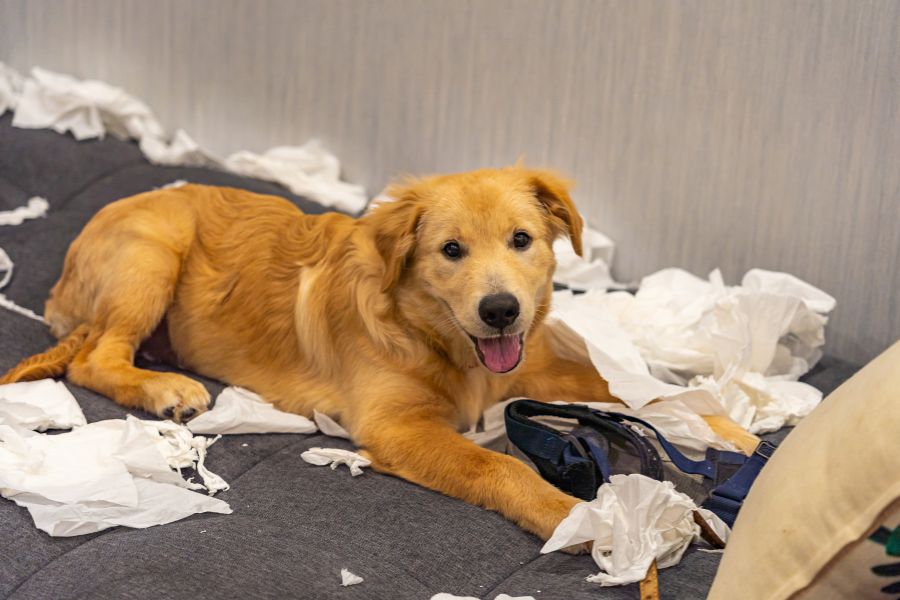
7 Tips For Keeping Your Dog Out of Trouble
Here are seven expert-backed tips to ensure your dog stays out of trouble during your workday, plus practical solutions you can implement right away.
1. Tire Them Out Before You Leave
A tired dog is a well-behaved dog. This age-old wisdom holds especially true when it comes to preventing destructive behavior during the workday. Dogs that haven’t had adequate physical exercise are more likely to channel their pent-up energy into activities you won’t appreciate, like chewing baseboards or barking at every passing squirrel.
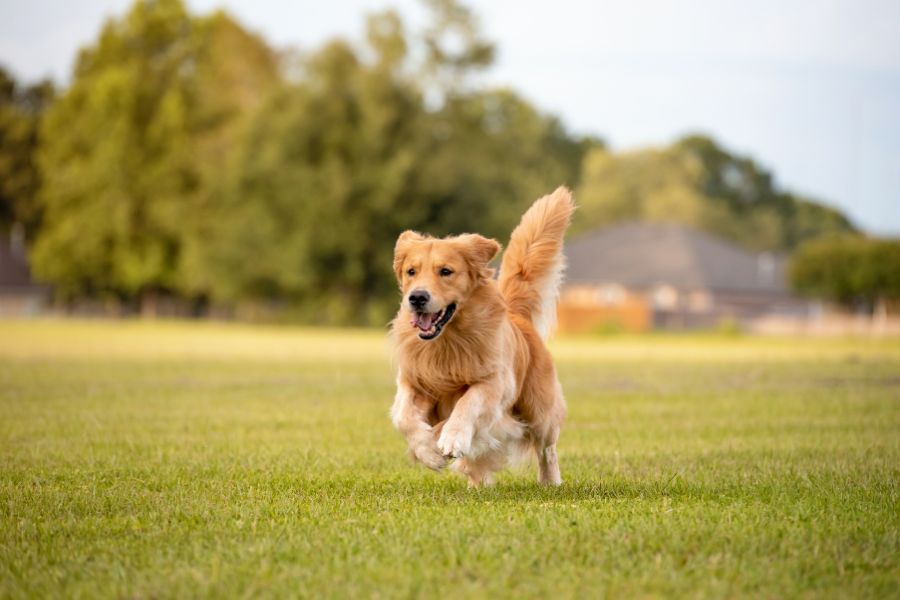
I’ve learned this the hard way with my border collie Lottie. Without her two walks a day, she causes havoc, despite being 12 years old.
Exercise depletes your dog’s physical energy and provides mental stimulation through new sights, smells, and experiences. A good morning workout helps your dog settle into a restful state throughout the day, rather than bouncing off the walls in search of entertainment.
How to Do It
Wake up 30-45 minutes earlier to take your dog for a brisk walk, jog, or play session. For high-energy breeds, consider more intense activities like fetch, tug-of-war, or even a quick trip to the dog park. The goal is to get their heart rate up and engage their mind.
Swimming, if available, is an excellent full-body workout that tires dogs out quickly. Even 15 minutes of vigorous play can make a significant difference in your dog’s behavior throughout the day.
2. Create a Safe Space with Proper Confinement
Not all dogs can be trusted with full run of the house, especially younger dogs, puppies, or those with a history of destructive behavior. When Lottie was a puppy, this was the first mistake we made. She caused havoc, chewing skirting boards, eating curtains, and destroying anything she could get her teeth into.

Creating a designated safe space isn’t about punishment; it’s about setting your dog up for success by limiting access to temptation.
Confinement prevents your dog from accessing dangerous items (medications, cleaning supplies, electrical cords) and protects your belongings from curious teeth and paws. It also provides anxious dogs with a cozy, den-like environment where they feel secure.
How to Do It
Depending on your dog’s size, temperament, and training level, consider these options:
Crate Training: For dogs who are comfortable in crates, this provides the ultimate safe space. Make sure the crate is appropriately sized (so your dog can stand, turn around, and lie down comfortably), well-ventilated, and equipped with comfortable bedding. Never use the crate as punishment. These crates are perfect >>>
Puppy-Proofed Room: Baby gates can section off a safe room like a kitchen, laundry room, or spare bedroom. Remove any hazards, secure cabinets, and provide appropriate toys and bedding.
Exercise Pen: A portable exercise pen gives your dog more space than a crate while still maintaining boundaries. These work particularly well for medium-sized dogs. This is the pen we used when Lottie was a pup >>>
Make whichever space you choose comfortable and positive by providing water, comfortable bedding, and a few safe toys.
3. Provide Mental Stimulation with Interactive Toys
Physical exercise is important, but mental exercise can be just as tiring for your dog. Boredom is one of the primary causes of destructive behavior, and interactive toys are your secret weapon against it.

Puzzle toys, treat dispensers, and interactive games engage your dog’s problem-solving skills and natural foraging instincts. The mental effort required to work for treats or solve puzzles tires dogs out in a different way than physical exercise, keeping them occupied for extended periods.
How to Do It
Rotate different types of enrichment toys to keep things interesting:
Food-Dispensing Toys: Kong toys stuffed with frozen peanut butter, yogurt, or wet dog food can keep dogs busy for 30 minutes to an hour. Puzzle feeders that require dogs to push, slide, or flip components to access treats provide excellent mental stimulation.
Interactive Games: Snuffle mats (textured mats where you hide treats) tap into dogs’ natural sniffing and foraging behaviors. Hide-and-seek games with treats around the safe space before you leave give your dog a “job” to do.
Chew Toys: Provide appropriate chew items like bully sticks, dental chews, or durable rubber toys. Make sure they’re size-appropriate and safe for unsupervised chewing.
Tip: Reserve special toys for when you’re gone so they remain novel and exciting. Rotate toys weekly to prevent boredom.
4. Stick to a Consistent Routine
Dogs are creatures of habit who thrive on predictability. A consistent daily routine helps reduce anxiety and teaches your dog what to expect, which in turn reduces stress-related behavioral problems.

I always marvel at how excited Lottie gets to go on the same walk every single day. Or, how the same game of throwing the stick can cause hours of amusement for her.
When dogs know what’s coming next, they feel more secure and less anxious. Separation anxiety, one of the leading causes of destructive behavior, often improves with consistent routines. Your dog learns that you always come back, which builds confidence over time.
How to Do It
Establish and maintain consistent times for:
- Morning walks or exercise
- Feeding (ideally at the same times each day)
- Bathroom breaks
- Your departure and return
Create a departure routine that doesn’t make a big fuss. Keep your morning goodbye calm and matter-of-fact rather than emotional or prolonged. Some trainers recommend ignoring your dog for 10-15 minutes before leaving and after returning to reduce the emotional contrast of your absence.
Consider a midday routine if possible. If your workday is longer than 6-8 hours, arrange for a dog walker, pet sitter, or trusted neighbor to provide a midday potty break and brief interaction. This breaks up the day and prevents accidents or excessive boredom.
5. Address Separation Anxiety Proactively
Separation anxiety is more than just missing you; it’s genuine distress that can lead to destructive behavior, excessive barking, house soiling, and even self-harm. If your dog shows signs of anxiety when you leave, addressing it proactively is essential.

Untreated separation anxiety typically worsens over time and can severely impact your dog’s quality of life. Proactive training helps your dog develop confidence and independence, making alone time less stressful. After all, their only crime is loving you.
How to Do It
Recognize the Signs: Symptoms include excessive drooling, pacing, whining, barking, destructive behavior focused on exit points (doors, windows), or house soiling despite being housetrained.
Gradual Desensitization: Practice leaving for very short periods (30 seconds to a few minutes) and gradually increase the duration. Reward calm behavior. The key is keeping departures below your dog’s anxiety threshold.
Create Positive Associations: Give your dog something wonderful (a special treat or toy) only when you leave. This helps them associate your departure with good things.
Calming Aids: Consider products like calming music designed for dogs, pheromone diffusers (Adaptil), anxiety wraps, or calming supplements. For severe cases, consult your veterinarian about anti-anxiety medications or a referral to a veterinary behaviorist.
Don’t Punish Anxiety: Never punish your dog for anxiety-related behavior. Punishment increases stress and worsens the problem.
6. Dog-Proof Your Home Thoroughly
Even the best-behaved dog can get into trouble if dangerous or tempting items are within reach. Thorough dog-proofing is essential to prevent emergencies and protect both your dog and your belongings.

Prevention is always easier than dealing with the aftermath of an emergency vet visit or destroyed valuables. Dog-proofing removes temptation and eliminates potential hazards before they become problems.
How to Do It
Go room by room and address these common hazards:
Kitchen: Secure trash cans with locking lids or place them inside cabinets. Store food, especially chocolate, grapes, onions, and xylitol-containing products, in secure cabinets or the refrigerator. Lock cabinets containing cleaning supplies.
Bathroom: Keep medications (both human and pet) in secure cabinets. Many common medications are toxic to dogs. Store toiletries, especially those containing xylitol, out of reach. Keep the toilet lid down and store cleaning products safely.
Living Areas: Secure electrical cords or use bitter spray deterrents. Put away remote controls, shoes, children’s toys, and other chewable items. Remove toxic houseplants or place them well out of reach.
Throughout the House: Check for small items that could be choking hazards (coins, rubber bands, hair ties). Ensure window screens are secure if your dog has access to windows. Keep human food, especially dangerous items, completely inaccessible.
Special Attention: If your dog is a known counter-surfer or trash diver, take extra precautions in these areas. Some determined dogs require childproof locks on cabinets.
7. Consider Doggy Daycare or a Dog Walker
Sometimes the best solution is ensuring your dog isn’t actually alone all day. If your work schedule is demanding or your dog has high energy needs or social requirements, professional pet care services can be game-changers.
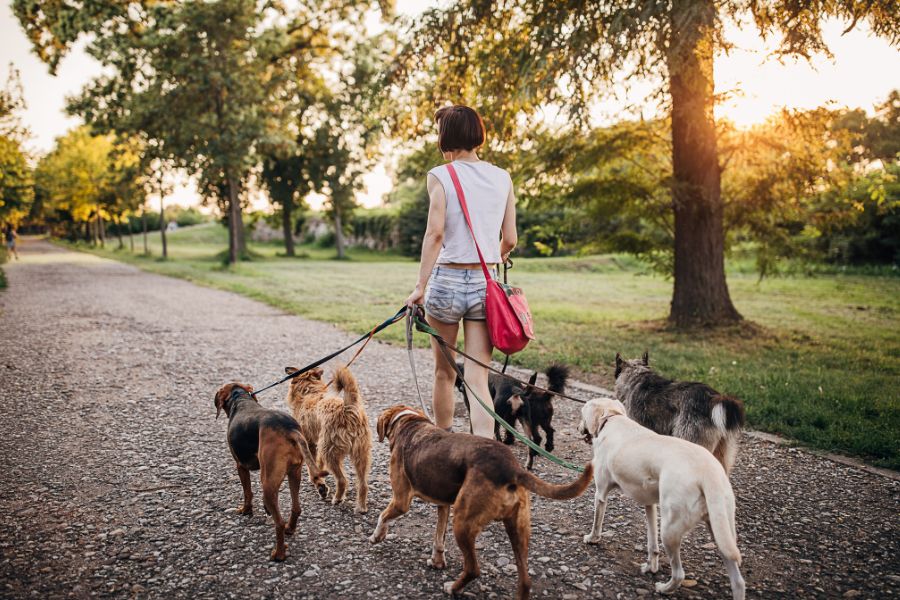
Doggy daycare and dog walkers provide socialization, exercise, and mental stimulation that you can’t offer while at work. This solution is particularly beneficial for young dogs, high-energy breeds, or dogs who struggle with being alone.
How to Do It
Doggy Daycare: Research reputable facilities in your area. Look for places that:
- Require vaccination and health records
- Conduct temperament evaluations before admission
- Maintain appropriate staff-to-dog ratios
- Separate dogs by size and play style
- Have clean, safe facilities with indoor and outdoor areas
- Provide regular updates or webcam access
Start with half-days or single days per week to help your dog acclimate. Not every dog loves daycare; some are overwhelmed by constant social interaction, so monitor your dog’s response.
Dog Walkers: A midday walk breaks up the day perfectly. Look for insured, bonded professionals with good reviews. Many walkers offer 20-30 minute neighborhood walks. Apps like Rover and Wag make finding and booking walkers easy.
Pet Sitters: For dogs who do better at home, in-home pet sitters can provide midday check-ins, potty breaks, feeding, and companionship.
Cost Considerations: While these services involve expense, they’re often cheaper than dealing with destructive behavior, medical emergencies, or chronic anxiety issues. Many employers now offer pet care benefits or flexible scheduling that allows midday check-ins.
Creating Your Personalized Plan
Every dog is different, and what works for one may not work for another. The key is observing your dog’s specific needs, energy level, and behavior patterns to create a customized approach.
Start by Assessing:
- Your dog’s age, breed, and energy level
- Current behavioral issues or concerns
- How long will your dog be alone
- Your home setup and space limitations
- Your budget for pet care solutions
Implement Gradually: Don’t try to implement all seven tips at once. Start with the most critical issues (safety first), then add enrichment and exercise strategies. Monitor your dog’s response and adjust as needed.
Track Progress: Consider setting up a pet camera to observe your dog’s behavior when you’re gone. This helps you understand whether your strategies are working and identify remaining problem areas.
When to Seek Professional Help
If your dog continues to exhibit destructive behavior, excessive anxiety, or other concerning issues despite your best efforts, it’s time to consult professionals:
- Veterinarian: Rule out medical issues that might be contributing to behavioral problems
- Certified Dog Trainer: Look for trainers with credentials like CPDT-KA (Certified Professional Dog Trainer)
- Veterinary Behaviorist: For serious anxiety or behavioral issues, a board-certified veterinary behaviorist can provide comprehensive treatment plans
The Bottom Line
Keeping your dog out of trouble while you’re at work isn’t about finding a single magic solution; it’s about combining multiple strategies to address your dog’s physical, mental, and emotional needs. A well-exercised, mentally stimulated, safely confined dog with a consistent routine is much more likely to spend the workday napping peacefully than redecorating your home with shredded pillows.
Remember, what you’re really doing is teaching your dog to be confident, independent, and comfortable when alone. This is a valuable life skill that benefits both of you. With patience, consistency, and the right strategies, you can head to work each day knowing your furry friend is safe, content, and definitely not plotting revenge on your favorite shoes.
Your dog relies on you to set them up for success. By implementing these seven tips, you’re not just preventing problems; you’re ensuring your dog’s well-being and strengthening the bond you share. After all, a happy dog makes for a happy home, whether you’re there to enjoy it or earning the money to keep them in treats and toys!
And if you’re thinking of taking a holiday and leaving your pooch behind, and wondering is Sardinia is worth visiting, it’s one I can recommend.