7 Effective Ways to Comfort and Support Your Dog During a Thunderstorm (And How To Create Your Own Doggie Calm Kit)

Does your dog have storm phobia? Mine definitely does, and she can hear it coming way before it actually arrives. Lottie, my border collie, makes a mad dash for our bedroom on the top floor and throws herself under the bed.
Studies suggest that up to 30% of dogs experience some level of storm phobia, and for many of them, it’s genuinely terrifying. This isn’t just a little nervousness we’re talking about. Some dogs will injure themselves trying to escape, destroy furniture, or work themselves into such a panic that they lose control of their bladder.
While you can’t make the storm go away, you can absolutely help and support your dog during a thunderstorm. But why do storms freak dogs out so much, and more importantly, what can you actually do about it?

Why Thunderstorms Terrify Dogs
Understanding what’s happening in your dog’s head during a storm makes it easier to help them through it. And the science behind storm phobia is actually pretty fascinating.
First off, dogs can detect storms long before we do. They pick up on dropping barometric pressure, changes in the static electricity in the air, and those low-frequency rumbles of distant thunder that our ears can’t even hear.
Then there’s the noise factor. Thunderclaps can reach 120 decibels, which is loud enough to cause pain in human ears. Now imagine experiencing that with hearing that’s four times more sensitive than ours. What sounds startling to us is genuinely painful and overwhelming to them.
Research shows that dogs may experience physical discomfort from static electricity that builds up in their fur during storms. Some experts believe this creates an unpleasant tingling or small shocks that make dogs want to hide in places where static is less likely to build up, like bathrooms or basements.
The wind, the lightning flashes, and the vibrations from thunder combine into a full sensory assault that triggers their fight-or-flight response. And since they can’t fight a storm and can’t flee from something that’s everywhere, they panic.
Unfortunately, storm phobia often gets worse over time because dogs learn to associate certain cues with the scary experience. They start reacting not just to the storm itself, but to the things that happen before storms. Dark clouds, changes in light, even you closing windows, can become triggers that set off their anxiety.
Preparing in Advance for a Thunderstom To Hit
The best time to help your dog with storm anxiety is before the first rumble of thunder hits. A little preparation goes a long way when it comes to managing their fear.
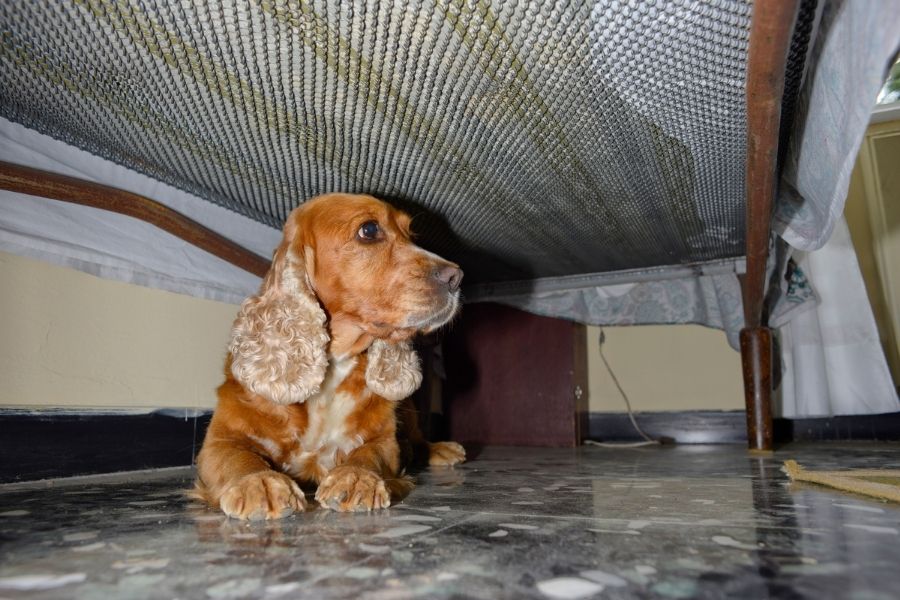
Start by creating a safe space for your dog that they can access anytime. This should be a small, enclosed area where they naturally feel secure. For Lottie, it’s her crate in the kitchen with blankets draped over three sides. For other dogs, it might be a closet, bathroom, or under a bed. The key is to let them choose where they feel safest, then make that space even more comfortable.
Some dogs benefit from getting used to storm sounds when there’s no actual storm happening. You can play recordings of thunder at very low volumes while doing something your dog loves, like playing or eating treats. Gradually increase the volume over weeks or months. This desensitization technique doesn’t work for every dog, but for some it can really take the edge off their fear.
Consider talking to your vet about anxiety solutions before storm season hits. Some dogs do well with supplements like melatonin orL-theanine, while others might need prescription anti-anxiety medication for severe cases. These work best when given before your dog is already in full panic mode, so having a plan in place is crucial.
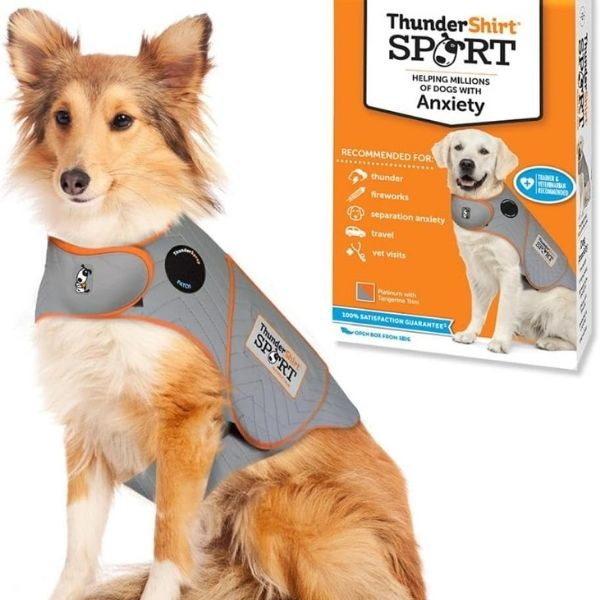
An anti-static thunder jacket or anxiety wrap can also help. These snug-fitting garments provide gentle pressure that has a calming effect on many dogs, similar to swaddling a baby. Some are specifically designed to reduce static electricity buildup, too. Get your dog used to wearing one during calm times so it’s already familiar when storm anxiety kicks in.
Keep an eye on the weather forecast during storm season. If you know severe weather is coming, you can give your dog calming supplements or medication with enough lead time for them to take effect. You can also make sure you’re home if possible, since many dogs cope better when their person is there.
7 Ways to Comfort Your Dog During the Storm
When the thunder starts, and your dog is already showing signs of anxiety, here’s what actually helps.
1. Stay Calm and Act Normal
I know this sounds overly simple, but your energy matters more than you think. Dogs are incredibly tuned in to our emotional states, and if you start acting worried or overly sympathetic, you’re confirming that there’s something to be afraid of.
This doesn’t mean you ignore your dog’s distress. It means you stay relaxed and go about your normal activities as if nothing unusual is happening. Watch TV, read a book, do dishes, whatever you’d typically be doing. Your calm demeanor tells your dog that you’re not concerned, which can help them feel safer.
2. Let Them Hide
If your dog wants to squeeze into the bathtub, hide under your bed, or burrow into their crate, let them. This is their way of coping, and preventing them from accessing their safe space will only increase their panic.
Some dogs seek out bathrooms or basements during storms because these areas have less static electricity and may muffle sound a bit. Others prefer tight spaces because the pressure on their bodies feels comforting. Whatever spot they choose, make it accessible and don’t try to coax them out.
You can make their hiding spot even better by adding familiar blankets, a piece of your worn clothing, or a favorite toy. Just don’t force them to stay somewhere they don’t want to be. If they want to move around, trying different spots, that’s okay too.
3. Create White Noise
Drowning out some of the storm sounds can make a huge difference. Turn on a fan, run a white noise machine, or play calming music at a moderate volume. Lottie loves to listen to Classic FM, an English classical music radio station, which I listen to a lot while I’m working.
Try keeping a playlist ready specifically for storms. It’s not about making the thunder completely inaudible, which isn’t really possible anyway, but about giving your dog something else to focus on and reducing the impact of sudden loud noises.
Some people find that turning on the TV helps, especially to something familiar and non-threatening, like a nature documentary. The combination of sound and movement can provide a helpful distraction.
4. Close Curtains and Manage Light
Lightning flashes can be just as frightening as thunder for some dogs. Drawing curtains or blinds reduces the visual stimulation and creates a den-like atmosphere that many dogs find soothing.
If your dog’s safe space doesn’t have windows, even better. But if it does, make sure you can block out the lightning flashes. Even dogs who aren’t particularly bothered by the noise sometimes react strongly to the sudden bright lights.
You might also consider leaving some lights on in the house rather than sitting in the dark. This creates a more normal, less dramatic environment and means the lightning flashes aren’t as stark in contrast.
5. Offer Distractions
For dogs whose anxiety level is manageable, distraction techniques can work wonders. Try offering a long-lasting chew, a puzzle toy stuffed with treats, or a favorite game.
This doesn’t work for dogs in full panic mode, but for those experiencing mild to moderate anxiety, having something positive to focus on can help interrupt the fear cycle. Licking and chewing are naturally calming activities for dogs, which is why stuffed Kongs or bully sticks can be so effective.
The key is offering these distractions early in the storm, before your dog’s anxiety has ramped up too high to focus on anything else. Once they’re past a certain point, they won’t be interested in treats or toys, no matter how much they normally love them.
6. Try Gentle Pressure
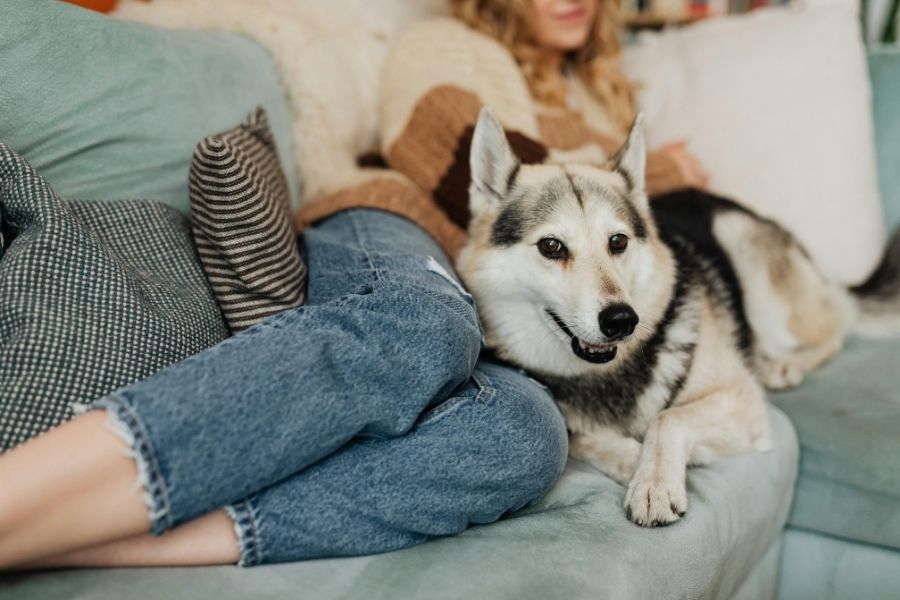
Many dogs respond well to gentle, steady pressure during times of stress. An anxiety wrap or thundershirt applies constant, soothing pressure similar to a hug. If you don’t have one of these products, you can create a similar effect by gently holding your dog or having them lean against you.
Some dogs will actually come and press themselves against your legs or sit on your feet during storms because they’re seeking this pressure. If your dog does this, lean into it. Apply gentle, firm pressure with your hands or just let them stay pressed against you.
This technique works because pressure stimulates the release of calming hormones. It’s the same reason weighted blankets help anxious humans sleep better. Just make sure your dog wants the physical contact. Some anxious dogs prefer to be left alone, and forcing touch on them will increase their stress.
7. Consider Calming Aids
There’s a whole range of products designed to help anxious dogs, and while not everything works for every dog, it’s worth exploring your options.
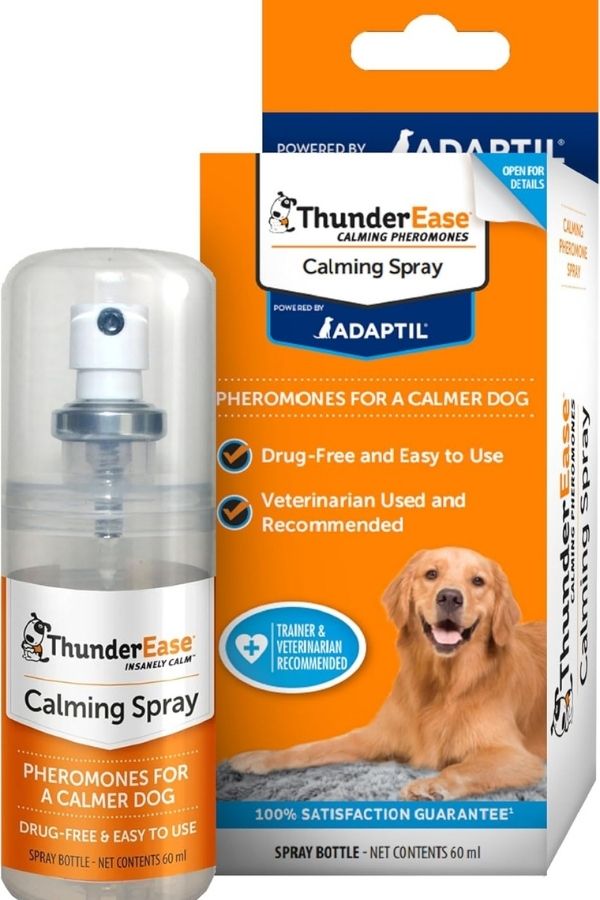
Pheromone diffusers release synthetic versions of the calming pheromones mother dogs produce to soothe their puppies. These plug into the wall and release a constant stream of calming signals that can reduce overall anxiety levels.
Calming supplements containing ingredients like L-theanine, chamomile, or valerian root can take the edge off anxiety for some dogs. These generally need to be given before the storm hits to be most effective.
For severe cases, your vet might prescribe anti-anxiety medication to reduce their fear to a manageable level so they’re not suffering through every storm. There’s no shame in using medication when your dog needs it.
Creating a Doggie Calm Kit
Just like we keep emergency kits for hurricanes and power outages, having a dedicated storm kit for your dog means you’re always prepared when bad weather hits. Here’s what to include:
Comfort Items
- A few of your dog’s favorite toys
- A well-worn t-shirt or blanket that smells like you
- Any special comfort objects they’ve bonded with (like Lottie’s ratty old stuffed hedgehog)
Calming Products
- Pheromone spray or diffuser (check expiration dates regularly)
- Any supplements or medications your dog uses for anxiety
- Long-lasting chews (bully sticks, yak chews, etc.)
- Treat-stuffed puzzle toys or Kongs

Anxiety Management Tools
- Anxiety wrap or thundershirt (if your dog uses one)
- Travel white noise machine or download a white noise app
- Battery-powered options are best since storms often mean power outages
Practical Essentials
- Extra leash (in case you need to take your dog outside during the storm)
- Cleanup supplies (paper towels, enzyme cleaner for accidents)
- Flashlight or battery-powered lantern
- High-value treats your dog doesn’t usually get (cheese, hot dogs, etc.)
Important Information
- Note card with your vet’s emergency contact information
- Details about any medications or protocols you follow during high-anxiety situations
- Instructions for anyone else who might be home with your dog during a storm
Store everything together in an easy to grab container in a place you can access quickly. I keep ours in the hall closet, so when I see storm clouds rolling in, I’m not scrambling around the house trying to gather supplies while Lottie is already freaking out.
Moving Forward
Storm phobia in dogs can be one of the toughest anxiety issues to manage because you can’t control when storms happen or how severe they’ll be. But with the right preparation and support, you can make a real difference in how your dog experiences these scary events.
Remember that what works for one dog might not work for another. Lottie does best with a combination of her crate, white noise, and just being near me. Your dog might need something completely different. The key is to try different approaches and pay attention to what actually helps your individual dog feel safer.
Most importantly, be patient with your dog and yourself. Managing storm anxiety is an ongoing process, not a problem you solve once and forget about. But every small improvement matters, and every storm that goes a little bit better is worth celebrating.