Is Your Dog Left-Pawed or Right-Pawed? Here’s How to Tell and What It Means

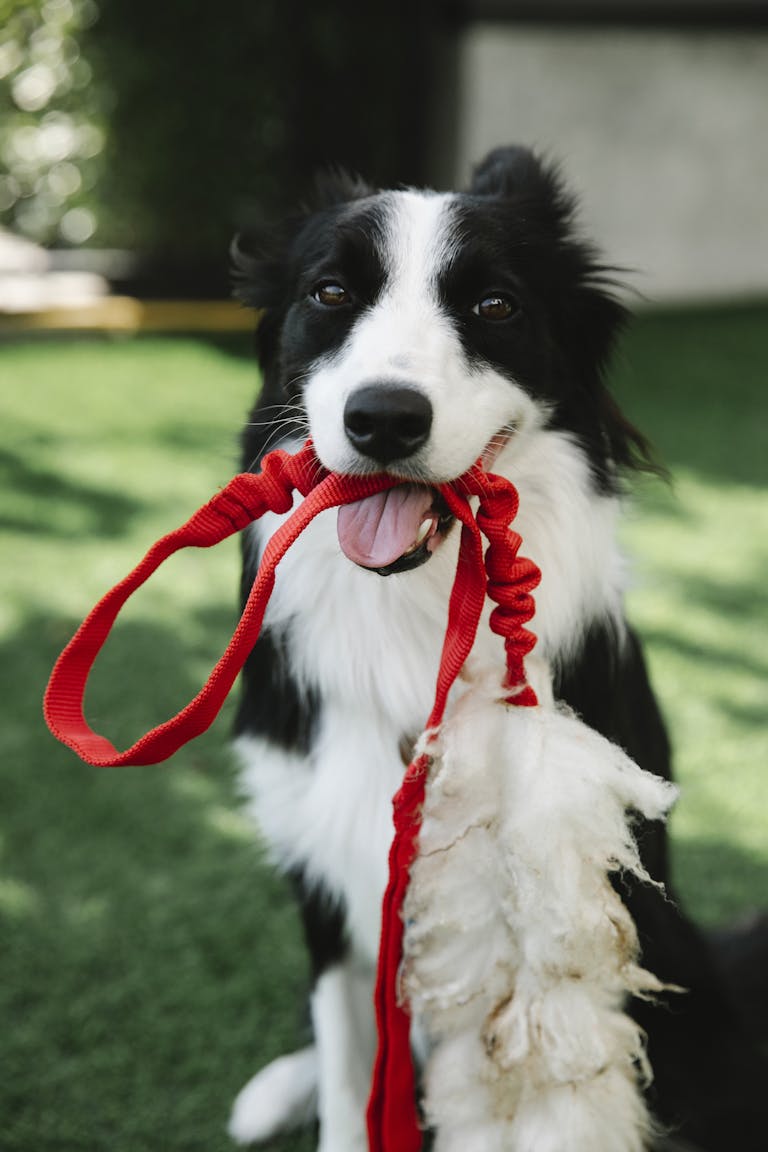
Is your dog left-pawed or right-pawed? You know how some people are righties and others are lefties? Turns out, your dog has a preferred paw, too. And figuring out which one they favor might tell you more about their personality than you’d think.
Your dog’s paw preference connects directly to how their brain works. Just like in people, the left side of a dog’s brain controls the right side of their body, and vice versa. The left hemisphere handles language processing and positive emotions, while the right hemisphere manages spatial awareness and processes emotions such as fear and anxiety.
So if your dog is right-pawed, they’re likely left-brain dominant, and if they’re left-pawed, their right brain probably calls more of the shots. So the big question is, which is yours?
Is Your Dog Left-Pawed or Right-Pawed?
According to a recent study, about 74% of dogs show a clear preference for one paw over the other. The rest? They’re ambilateral, meaning they’re equally comfortable using either paw. Unlike humans, where roughly 90% of us are right-handed, dogs split pretty evenly between left and right.
In fact, among dogs with a paw preference, about 58% are right-pawed while 42% favor their left. That makes left-pawed dogs way more common than left-handed humans.
Female dogs lean more heavily toward being right-pawed, while male dogs are slightly more likely to be left-pawed. And older dogs tend to favor their right paw more than younger pups do.
Scientists think sex hormones might influence paw preference, as in humans.

How to Test Your Dog’s Paw Preference
So how do you figure out which paw your dog prefers? Try the Kong test. Grab a Kong toy or any tube-shaped puzzle, stuff it with treats, and set it on the floor. Watch which paw your dog uses to hold it steady while they work on getting the goodies out. Do this at least 10 times over a few days to spot a consistent pattern.
You can also try the first-step test. When your dog is sitting or standing still, call them toward you and watch which paw they step forward with first. Repeat this at least 15 to 20 times to see if there’s consistency. This method tends to show a stronger right-paw bias overall compared to the Kong test.
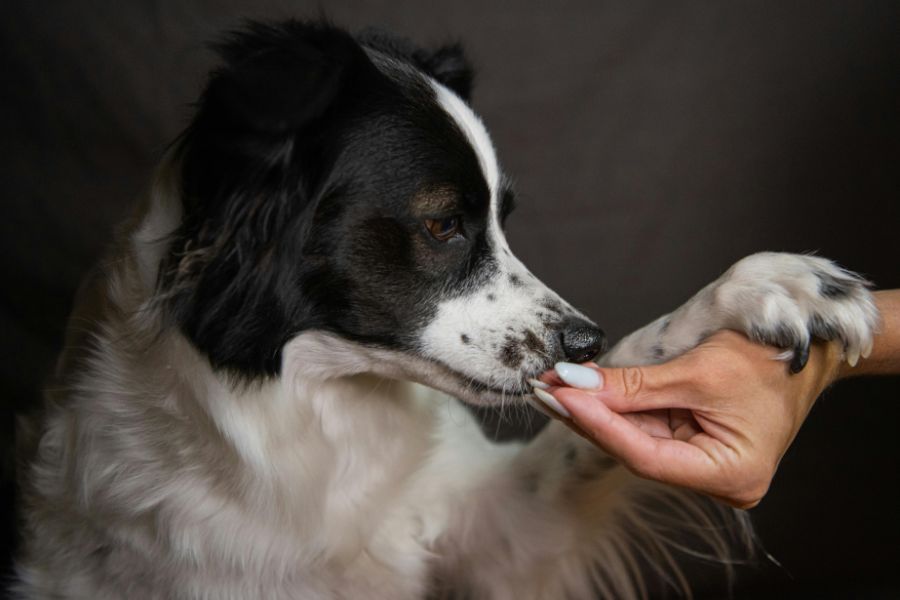
Or keep it really simple and just observe daily life. Which paw does your dog give you when you ask for a shake? Which one do they use to paw at you for attention? Male dogs, which hind leg do they lift when they pee? All of these little moments can reveal their preference.
Here’s another quick test you can try. Hold a treat in your closed fist and see which paw your dog uses to try to get it open. Or watch which paw they use to scratch at a door when they want to come inside.
The key is repetition. One instance doesn’t tell you much, but if you watch your dog over several days and see the same paw showing up again and again, you’ve got your answer.
What Your Dog’s Paw Preference Says About Their Personality
Now for the personality angle, which is where things get really fascinating. Research suggests that paw preference may be linked to emotional tendencies.
Some studies have found that dogs without a strong paw preference react more intensely to loud noises, such as thunderstorms and fireworks. They seem to have a harder time coping with stress compared to dogs that consistently favor one paw.
Other research suggests that left-pawed dogs are slightly more pessimistic or cautious. In one study, when researchers placed food bowls in new, ambiguous locations, left-pawed dogs approached more slowly than right-pawed dogs, suggesting they might be less optimistic about outcomes. Right-pawed dogs, on the other hand, tend to be calmer and more confident when facing new experiences or meeting strangers.
Dogs with a clear paw preference, whether right or left, also seem to perform better in working roles. Guide dog programs have found that right-pawed dogs have higher success rates in training. The theory is that stronger lateralization indicates a more balanced emotional temperament, which helps these dogs stay focused and calm in challenging situations.
Some studies have even found connections between paw preference and aggression. In one case, left-pawed dogs showed slightly more stranger-directed aggression compared to ambilateral dogs. But here’s the thing to remember: aggression is complicated.
It depends on socialization, training, past experiences, and countless other factors. Your dog’s paw preference is just one tiny piece of a much bigger puzzle.
And then there are the ambilateral dogs, the ones who use both paws equally. These dogs sometimes score higher for playfulness and can be more social with strangers. They’re the flexible ones, the dogs who adapt easily to new situations because they’re not strongly wired one way or the other.
Scientists are still figuring all of this out, and the research doesn’t always agree. Some studies find strong personality connections, while others find none at all. Part of the problem is that different tests seem to measure different things.
The Kong test might reveal one preference while the first-step test shows another. Whether your dog is holding something still or moving forward, it apparently activates different parts of their brain.
What we do know for sure is that most dogs do have a paw preference, and it stays consistent throughout their lives. Once your dog settles into being a lefty or a righty, they’re probably going to stay that way.
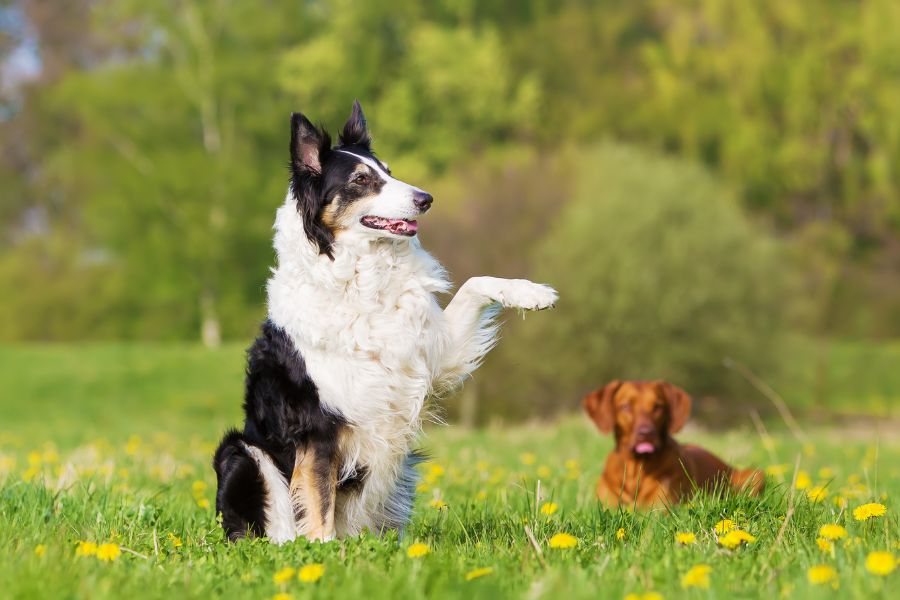
So grab some treats and spend a few minutes testing your pup. Whether they’re a righty, a lefty, or perfectly balanced, knowing their paw preference gives you one more little window into understanding how they see the world. And if you’re teaching your dog to shake or wave, you’ll know exactly which paw to start with.
Plus, it’s just fun.Watch your dog closely for a few days, and you’ll start noticing patterns you never saw before. It’s these little quirks that make our dogs uniquely themselves.